

Bodybuilding Accessory Equipment Guide
The difference between an average physique and an exceptional one often lies in the details. While barbells, dumbbells, and power racks form the foundation of any serious training program, bodybuilding accessory equipment transforms good workouts into extraordinary muscle-building sessions. These specialized tools allow lifters to target muscles from unique angles, create variable resistance patterns, and push past plateaus that standard equipment cannot address.
Understanding which accessories deliver real results versus marketing hype separates dedicated athletes from casual gym-goers. The right equipment amplifies effort, maximizes muscle fiber recruitment, and turns every training session into an opportunity for measurable progress. According to the CDC's physical activity guidelines, muscle-strengthening activities should target all major muscle groups, making specialized equipment essential for comprehensive development.
Cable Machine Attachments: The Versatility Champions
Cable machines offer constant tension throughout the entire range of motion, making attachments some of the most valuable bodybuilding accessories available. Unlike free weights where resistance varies with mechanical advantage, cables maintain consistent muscle tension from start to finish of every repetition.

Triceps ropes stand as essential tools for arm development. The Triceps Rope Extreme Performance Viper allows natural wrist rotation during extensions, reducing joint stress while maximizing triceps activation across all three heads. For those demanding even greater intensity, the BULL TAIL 2" Tricep Attachment provides extreme grip challenges that simultaneously build forearm strength and triceps mass.
Modular systems revolutionize cable training efficiency. The Pull Force Mainbeam with Ball Slides transforms a single bar into dozens of grip variations, eliminating the need for multiple separate attachments. This modularity proves invaluable for home gyms with limited storage and commercial facilities serving diverse clientele.
Specialized handle systems expand exercise possibilities exponentially. The DELT-BELT Handle Straps enable unique shoulder and abdominal movements impossible with rigid bars, while fat grip handles increase neural drive and forearm engagement during every pulling movement.
Grip Variation Tools for Complete Development
Grip width, angle, and thickness dramatically influence which muscle fibers activate during exercises. Standard equipment offers limited options, but specialized grip accessories unlock comprehensive muscular development.
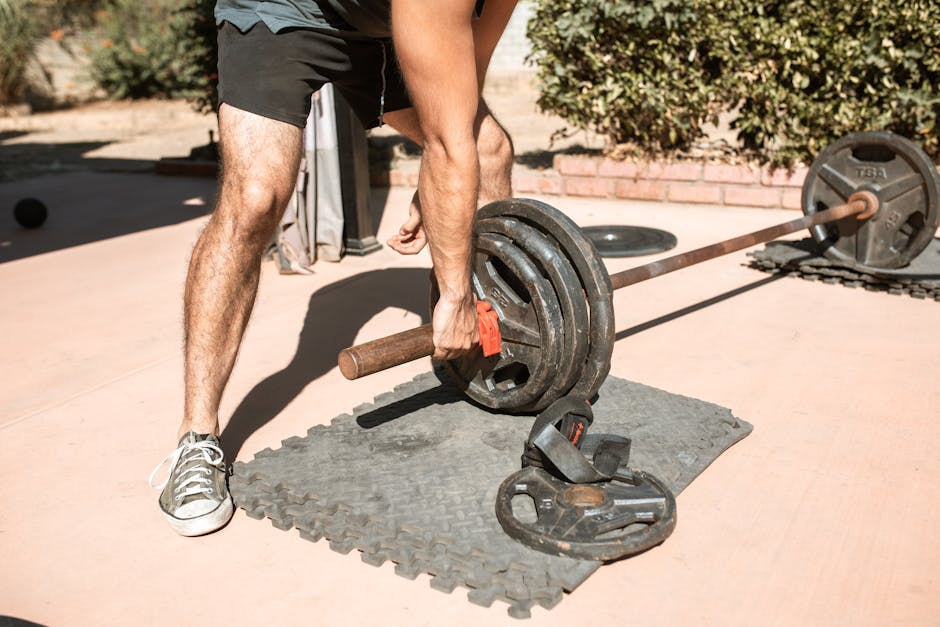
Fat grips increase handle diameter, forcing greater motor unit recruitment in forearms, biceps, and back muscles. This neural adaptation translates to improved strength across all lifts. Rotating handles reduce elbow and wrist strain during curls and extensions by allowing natural joint movement throughout the range of motion.
Multi-position bars provide variable grip widths within a single attachment. Wide grips emphasize outer muscle portions, while close grips target inner regions. The ability to adjust mid-workout maintains intensity when fatigue limits performance at one width but allows continuation at another.
Neutral grip options prove essential for lifters with shoulder or elbow issues. Palms-facing positions reduce joint stress compared to pronated or supinated grips, enabling productive training despite minor injuries or chronic conditions.
Specialty Attachments for Targeted Muscle Building
Beyond standard bars and handles, specialized attachments address specific physique weaknesses and training goals. These tools often make the difference in bringing up lagging body parts.

V-bars and close-grip attachments concentrate tension on inner back development during seated rows and lat pulldowns. The compressed grip position emphasizes the middle trapezius and rhomboids, creating thickness through the upper back that wide-grip movements cannot match.
Rope attachments extend beyond triceps work. Face pulls with ropes build rear deltoids and rotator cuff strength, addressing the shoulder imbalances common in pressing-dominant programs. Core work with rope attachments provides variable resistance during woodchops and rotational movements, developing obliques and transverse abdominis more effectively than static exercises.
Strap-based attachments enable certain exercises to bypass grip limitations. During high-repetition back work, forearms often fatigue before larger back muscles reach failure. Strap attachments shift load away from grip, allowing lats and traps to work to complete exhaustion without forearm interference.
Exercise Expansion and Movement Innovation
Accessory equipment doesn't just improve existing exercises—it creates entirely new movement patterns that stimulate muscle growth through novel stimuli. The body adapts to familiar stress patterns, making variation essential for continued progress.
Single-arm attachments facilitate unilateral training that identifies and corrects strength imbalances between sides. This isolation prevents the dominant side from compensating for the weaker side, ensuring balanced development. The increased stabilization demands of single-arm cable work also enhance core strength.
Landmine attachments transform standard Olympic barbells into tools for unique pressing, rowing, and rotational movements. The angled resistance path provides different loading vectors than vertical or horizontal exercises, stimulating muscles from fresh angles.
Suspension trainers leverage bodyweight through adjustable angles, making exercises progressively more or less challenging without changing external load. These tools excel for metabolic conditioning finishers and home training when traditional equipment is unavailable. The ACE Fitness exercise library demonstrates hundreds of creative applications for basic accessory equipment.
Recovery and Mobility Accessories
Building muscle requires more than just heavy lifting. Recovery tools and mobility equipment ensure consistent training by preventing injury and accelerating recuperation between sessions.
Foam rollers and massage balls break up fascial adhesions and reduce muscle soreness. Self-myofascial release improves tissue quality, enhances blood flow, and maintains the flexibility necessary for proper exercise form. Regular use prevents the tightness that limits range of motion and increases injury risk.
Resistance bands serve dual purposes as both training tools and mobility aids. Light band work activates muscles before heavy lifting, improving mind-muscle connection and warming tissues. Bands also facilitate stretching protocols that increase flexibility more effectively than static stretching alone.
Massage guns deliver percussive therapy that penetrates deeper than manual massage, accelerating recovery and breaking up stubborn trigger points. These devices prove particularly valuable for large muscle groups like quadriceps and lats where self-massage with rollers proves difficult.
According to guidance from the NHS on exercise practices, proper recovery and mobility work reduce injury rates and improve long-term training consistency—the true key to physique transformation.
Selecting Quality Equipment for Long-Term Performance
Not all accessories deliver equal value. Quality construction, thoughtful design, and durability separate professional-grade equipment from consumer-grade alternatives that break down under serious use.
Material quality determines longevity. Industrial-grade cables, heavy-duty nylon ropes, and precision-welded steel withstand thousands of repetitions under maximum tension. Cheap alternatives use inferior materials that fray, bend, or snap, creating safety hazards and requiring frequent replacement.
Ergonomic design reduces joint stress and improves muscle activation. Properly angled handles align with natural movement patterns, while poor designs force awkward positions that increase injury risk and reduce training effectiveness. Knurling depth and pattern affect grip security—too shallow provides insufficient traction while too aggressive damages hands.
Weight ratings matter significantly. Attachments rated for light loads fail catastrophically under heavy pulling or pressing forces. Professional equipment includes safety factors that account for dynamic loads and impact forces exceeding static weight calculations.
Versatility maximizes equipment value. Tools serving multiple purposes justify higher initial costs through expanded exercise options. Modular systems offering interchangeable components provide greatest flexibility while minimizing storage requirements.
Conclusion
Bodybuilding accessory equipment transforms standard training programs into comprehensive muscle-building systems. The right attachments, grips, and specialized tools enable precise targeting of every muscle group from multiple angles, creating the varied stimulus necessary for complete physique development. Quality accessories address weak points, prevent plateaus, and extract maximum results from every training session.
Investment in professional-grade equipment pays dividends through improved performance, injury prevention, and long-term durability. Whether equipping a home gym or commercial facility, selecting Maximal Gain Gym Equipment designed by lifters for lifters ensures equipment withstands the punishment of serious training while delivering measurable results. The war for more muscle demands weapons built for battle—settle for nothing less than equipment engineered to match your intensity and ambition.
