

Neural Drive Grips: Maximize Strength & Muscle
When you're grinding through that final brutal rep, fighting for one more inch of progress, what separates success from failure isn't just muscle size or willpower—it's neural drive. This fundamental neuromuscular principle determines how effectively your central nervous system recruits muscle fibers during intense contractions. And in 2026, the most effective lifters understand that specialized grips and attachments aren't just accessories—they're tactical weapons that amplify neural drive, unlocking strength gains that standard equipment simply cannot deliver.
Neural drive represents the electrical signals your brain sends through motor neurons to muscle fibers, commanding them to contract with maximum force. When you optimize neural drive through targeted equipment choices, you're literally reprogramming your nervous system to generate more power, recruit dormant muscle fibers, and push past plateaus that have held you back for months. Let's explore how specialized grips, handles, and attachments transform neural activation and why settling for generic equipment is sabotaging your gains.
Understanding Neural Drive in Strength Training
Your muscles don't operate independently—they're controlled by your central nervous system, which determines how many muscle fibers activate and how forcefully they contract. Neural drive encompasses this entire communication system. Early in your training career, strength gains come primarily from improved neural efficiency rather than muscle growth. Your nervous system learns to recruit more motor units simultaneously, fire them at higher frequencies, and coordinate muscle groups more effectively.

According to CDC physical activity guidelines, progressive resistance training creates adaptations at both muscular and neurological levels, with neural adaptations often preceding visible muscle hypertrophy. This means your first weeks of training with new grips or specialized attachments trigger rapid neural learning that translates to immediate strength increases.
Advanced lifters experience diminishing returns from standard equipment because their nervous systems have fully adapted. Introducing novel stimuli through specialized grips forces new neural pathways, demanding fresh motor patterns and muscle fiber recruitment strategies. This neurological challenge reignites adaptation, breaking through frustrating plateaus and delivering gains when conventional approaches have stalled. For a deeper dive into this concept, check out our article on Neural Drive: How Grip Shape Transforms Barbell and Attachment Performance.
How Specialized Grips Amplify Neural Activation
Standard straight bars and basic handles offer limited grip options, restricting your nervous system to familiar movement patterns. Specialized attachments introduce grip variations that demand increased neural focus and motor unit recruitment. Thicker grips, for instance, require greater force production just to maintain hold, automatically activating more forearm musculature and increasing overall neural output throughout the kinetic chain.
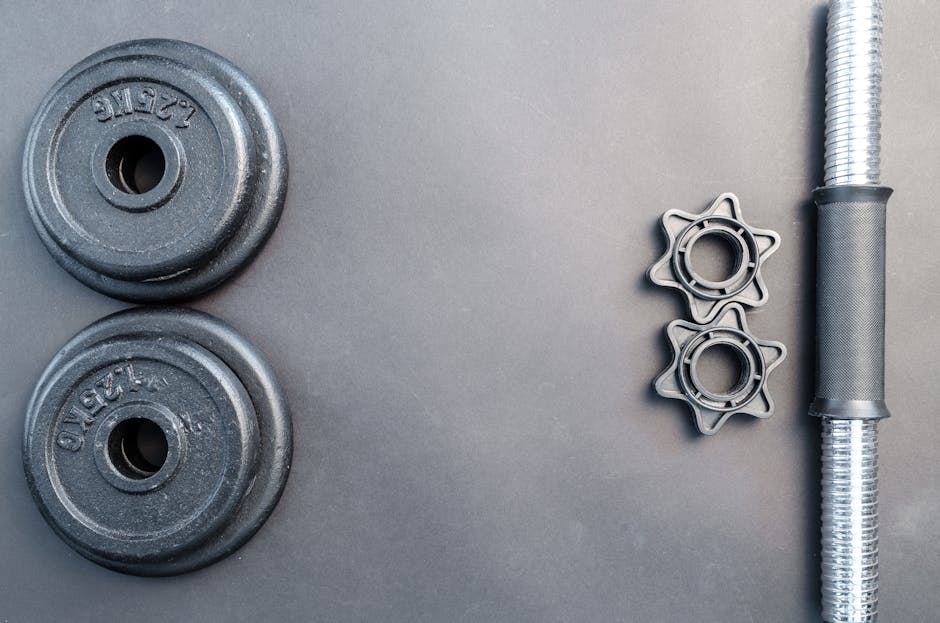
Rotating handles and multi-angle grips prevent your nervous system from settling into autopilot mode. When your hands can rotate naturally during movements, proprioceptive feedback intensifies, demanding heightened neural attention to joint position and movement quality. This increased neuromuscular awareness translates to better muscle activation patterns and more complete motor unit recruitment across target muscle groups.
Textured surfaces and ergonomic designs reduce reliance on compensatory grip strength, allowing maximal neural focus on primary movers. When you're not fighting to maintain grip on a slippery chrome bar, your central nervous system can dedicate more processing power to firing the chest, back, or shoulder muscles you're actually targeting. This redistribution of neural resources means more effective training with better mind-muscle connection.
Attachment Selection for Maximum Neural Response
Choosing the right attachment for each exercise creates specific neural demands that optimize strength development. Thick rope attachments for tricep work increase grip challenge, automatically boosting neural output and overall intensity. The nervous system responds to this increased difficulty by recruiting additional motor units and firing them at higher frequencies, generating superior training stimulus compared to basic single-rope or straight-bar alternatives.

Multi-grip bars and parallel handle attachments permit neutral wrist positions that reduce joint stress while enhancing neural efficiency. When joints align naturally, the nervous system encounters less proprioceptive interference, enabling cleaner motor patterns and more powerful contractions. Research demonstrates that reducing unnecessary joint stress allows the central nervous system to generate higher force outputs with lower perceived exertion. To explore a wider range of options, delve into our guide on Weight Lifting Attachments: the Ultimate Guide to Cable Machine Excellence.
Specialized attachments for unilateral training address neural imbalances that bilateral movements mask. Single-arm handles expose strength discrepancies between sides, forcing each hemisphere of the nervous system to work independently. This bilateral deficit correction improves overall neural drive by eliminating compensatory patterns where the dominant side overperforms while the weaker side coasts. Consider optimizing movements like the 1 Arm T Bar Row: Master the Ultimate Single-arm Back Builder with these insights.
Neural Drive Strategies for Different Training Goals
For maximum strength development, use attachments that support low-rep, high-load training with optimal biomechanics. Thick-handled attachments increase neural demand while shorter, solid grips provide stability for generating peak force. The ACE Fitness exercise library emphasizes that proper equipment selection influences movement quality and training outcomes across all experience levels.
Hypertrophy-focused training benefits from attachments that enhance time under tension and metabolic stress while maintaining strong neural connection. Rotating handles and contoured grips reduce premature grip failure, allowing continued neural drive to target muscles through higher rep ranges. This sustained neural activation maximizes muscle fiber recruitment throughout extended sets, optimizing growth stimulus.
Power development demands attachments enabling explosive movement with secure grip. Textured surfaces and anatomically contoured handles prevent grip slip during ballistic training, allowing the nervous system to commit fully to rapid force production without subconscious safety limitations. This neural commitment translates to greater power output and improved rate of force development.
Programming Neural Drive Training with Specialized Equipment
Integrate neural drive-focused sessions by rotating attachment variations throughout training cycles. Begin mesocycles with standard grips to establish baseline performance, then introduce specialized attachments mid-cycle to create novel neural stimuli. This periodized approach prevents accommodation while capitalizing on fresh neural adaptations when progress stalls.
Contrast training methods pair standard and specialized grips within the same workout to maximize neural potentiation. Perform heavy compound lifts with optimal attachments, then immediately follow with lighter loads using different grip configurations. This neural contrast creates heightened motor unit recruitment that persists across subsequent sets, amplifying total training volume and intensity.
According to NHS exercise guidance, strength training adaptations occur when you progressively challenge your musculoskeletal and nervous systems with appropriate intensity and recovery. Strategic attachment selection represents a powerful but underutilized progression variable that extends productive training longevity beyond simple load increases.
Deload weeks should include grip variation practice with submaximal loads, allowing neural learning without systemic fatigue. This active recovery maintains neuromuscular patterns while providing physiological restoration. When you return to intense training, these refined neural pathways support immediate performance gains and reduce injury risk from movement pattern degradation.
Advanced Neural Optimization Techniques
Post-activation potentiation protocols leverage specialized heavy grips before working sets. Perform brief maximal effort isometric holds with thick attachments, then immediately switch to standard grips for dynamic work. This primes the nervous system, temporarily increasing motor unit recruitment and firing rates for superior performance during subsequent training sets.
Cluster sets with attachment changes between mini-sets maintain neural freshness throughout extended efforts. Rather than grinding through continuous reps with declining neural output, brief rest periods with grip changes reset the nervous system, preserving force production quality across the entire training volume. This approach accumulates more total high-quality reps than traditional straight sets.
Sensory amplification through textured and contoured grips enhances proprioceptive feedback, sharpening mind-muscle connection. The increased tactile information improves neural body mapping, allowing more precise motor control and complete muscle activation. Over time, this heightened neuromuscular awareness transfers to all training movements, elevating overall lifting proficiency. This principle is key to understanding how a tool like the Weight Multiplier: the Ultimate Guide to Amplifying Your Training Intensity can be so effective.
Conclusion
Neural drive determines whether you're merely moving weight or maximally activating muscle—and specialized grips, handles, and attachments are the tools that separate ordinary training from extraordinary results. By understanding how equipment selection influences central nervous system recruitment patterns, you transform every rep into a neural optimization opportunity. Standard equipment might suffice for casual training, but when you demand no less than excess from yourself and your gear, purpose-built attachments become non-negotiable.
The strongest lifters recognize that muscles follow neural commands, and superior equipment enables superior neural performance. Whether you're pursuing strength, size, or power, optimizing neural drive through strategic attachment selection accelerates progress and extends your performance ceiling. Stop settling for generic equipment that limits your nervous system's potential. Arm yourself with specialized tools engineered to maximize neural activation, and dominate your training with the intensity it demands. One perfectly executed, neurally optimized rep at a time.
