

Weightlifting Handles for Cable Machines
Cable machines have become the backbone of modern strength training, offering unparalleled versatility and constant tension throughout every rep. But here's the truth: the standard bar that came with your cable machine is holding you back. Premium weightlifting handles designed specifically for cable machines transform ordinary workouts into extraordinary muscle-building sessions, targeting specific muscle groups with surgical precision while reducing joint stress and maximizing mechanical advantage.
Whether you're a bodybuilder chasing hypertrophy, an athlete building explosive power, or a gym owner investing in equipment that delivers results, understanding the science and selection of cable machine handles separates average gains from exceptional transformation. This comprehensive guide breaks down everything you need to dominate your cable work and extract maximum growth from every brutal set.
Why Cable Machine Handles Matter More Than You Think
The attachment you grip determines everything: muscle activation patterns, joint angles, range of motion, and ultimately the stimulus your muscles receive. Standard straight bars force your body into compromised positions that limit recruitment and increase injury risk. Purpose-built handles engineered by lifters who understand biomechanics allow your body to move naturally through optimal pathways.
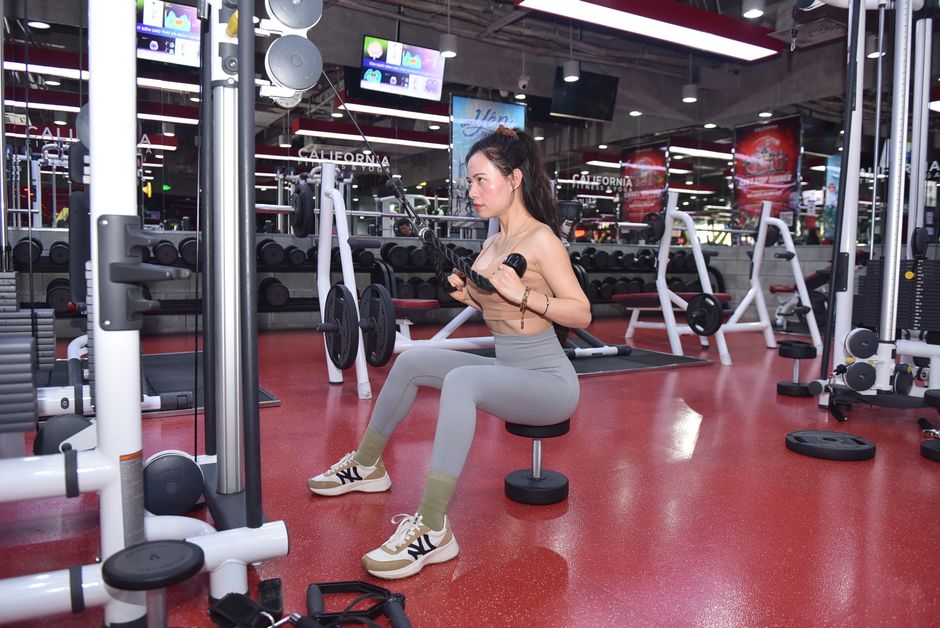
Research from organizations like ACE Fitness demonstrates that proper equipment selection significantly impacts exercise effectiveness and injury prevention. When you're pulling or pushing hundreds of pounds through cables, the quality of your grip point determines whether you're building muscle or courting tendonitis.
Different handles create different angles of pull, which recruit muscle fibers differently. A rope attachment for triceps allows your hands to separate at the bottom, maximizing contraction. A rotating handle eliminates wrist torque during curls. A D-handle provides single-arm isolation that reveals and corrects strength imbalances. Each tool serves a specific purpose in the war for more muscle.
Essential Cable Handle Types and Their Applications
The serious lifter's arsenal should include multiple handle options, each designed for specific movement patterns and muscle groups. Understanding when and why to use each attachment transforms your training from random exercises into a calculated assault on your genetic limitations.

Straight Bar Attachments: The workhorse for compound pulling movements like lat pulldowns and cable rows. Look for bars with angled ends that allow neutral wrist positioning and adequate width for your shoulder structure. Rotating collars prevent wrist strain during heavy loads.
Rope Attachments: Essential for triceps work, face pulls, and hammer curls. The ability to pull the rope apart at peak contraction creates maximum muscle engagement. Heavy-duty ropes with solid end caps withstand years of punishment without fraying.
D-Handles and Single Grips: Critical for unilateral work that builds balanced strength and identifies weaknesses. Single-arm rows, cable curls, and lateral raises demand the isolation only individual handles provide.
V-Bar and EZ Curl Attachments: Angled grips that protect wrist and elbow joints during pressing and curling movements. The neutral to semi-supinated grip position reduces inflammation while maintaining maximum load capacity.
Rotating Handles: Advanced attachments featuring bearing systems that allow natural rotation during pulling and pressing movements. They eliminate the torque that damages connective tissue over years of heavy training.
Material Quality and Construction Standards
Cheap handles fail when you need them most, mid-set with maximum weight loaded. Components made from inferior materials bend, crack, or strip threads, creating dangerous situations and interrupting training momentum. Professional-grade attachments built for commercial gym abuse survive years of punishment while maintaining tight tolerances.

Look for handles constructed from solid steel rather than hollow tubing. Welded joints should show consistent, clean beads without gaps or porosity. Chrome plating must be thick enough to resist chipping and corrosion from sweat exposure. Rotating components require sealed bearings, not cheap bushings that seize after minimal use.
Connection hardware matters equally. Carabiners and attachment points must be rated for dynamic loads exceeding your cable stack weight. The attachment point is the failure point under extreme loads, so oversized, hardened steel hardware is non-negotiable for serious training.
Knurling depth and pattern affect grip security. Too aggressive tears hands during high-rep work. Too smooth allows slippage under heavy loads. Professional handles feature moderate, consistent knurling that maintains grip without destroying skin.
Ergonomics and Biomechanical Optimization
Your body doesn't move in straight lines. Joints rotate through arcs, muscles pull at angles, and optimal force production requires positioning that generic equipment ignores. Handles designed with biomechanics in mind allow natural movement patterns that maximize muscle recruitment while minimizing joint stress.
Handle diameter affects grip strength and forearm fatigue. Thicker handles increase grip demand, building crushing strength but limiting load on target muscles. Standard 1-inch to 1.25-inch diameters balance grip security with the ability to move maximum weight. Contoured handles with slight thickness variation accommodate different hand sizes and reduce pressure points.
According to CDC guidelines on physical activity, proper equipment and technique are fundamental to safe, effective strength training. Cable handles that allow neutral wrist positions, natural shoulder rotation, and optimal elbow angles protect joints while enabling progressive overload over years of training.
Length matters for different exercises. Shorter handles provide increased stability for heavy pressing movements. Longer bars allow wider grips that emphasize outer lat development during pulldowns. Understanding the relationship between handle length and biomechanical advantage lets you select the right tool for specific training goals.
Specialized Handles for Advanced Training Techniques
Beyond standard attachments, specialized handles unlock training variations impossible with basic equipment. These tools allow experienced lifters to apply advanced techniques that break through plateaus and target stubborn muscle groups from novel angles.
Mag Grips and Thick Handles: Increase grip diameter to build forearm strength and hand endurance. The increased circumference reduces reliance on grip, forcing target muscles to work harder during back and bicep exercises.
Multi-Angle Handles: Feature multiple grip positions on a single attachment, allowing grip variation mid-workout without changing equipment. Different angles emphasize different portions of muscle groups.
Triceps Ropes with Multiple Lengths: Short ropes for heavy overhead extensions, longer versions for maximum separation during pushdowns. Length variation changes leverage and range of motion.
Ankle Straps and Specialty Attachments: Purpose-built for glute kickbacks, leg abduction, and lower body cable work. Padded straps with reinforced connection points distribute force comfortably during heavy loads.
Investing in quality specialized attachments expands exercise selection exponentially. The same cable stack becomes dozens of different training tools depending on which handle you connect, making cable stations the most versatile equipment in any serious training facility.
Selecting Handles for Home Gyms Versus Commercial Facilities
Home gym owners can invest in attachments specific to their training style and goals. If you focus on bodybuilding, prioritize handles that maximize muscle isolation and mind-muscle connection. Athletes need attachments supporting explosive movements and sport-specific patterns. NHS exercise guidance emphasizes that strength training equipment should match individual fitness goals and capabilities.
Commercial gym owners face different considerations. Handles must withstand abuse from users with varying experience levels. Durability becomes paramount when hundreds of lifters grab the same equipment daily. Professional-grade construction with commercial warranties protects your investment and ensures member safety.
Variety matters in commercial settings. Providing multiple handle options accommodates different body types, experience levels, and training preferences. Members notice and appreciate facilities equipped with specialized attachments that elevate their training beyond what generic equipment offers.
For home gyms, start with core attachments: a quality straight bar, rope, and pair of D-handles covers fundamental exercises. Add specialized tools as your training evolves and you identify specific needs. Building a comprehensive collection over time proves more economical than purchasing complete sets of mediocre equipment.
Conclusion: Arm Yourself for the War for More
Cable machine handles represent the interface between your determination and your results. Cheap attachments compromise biomechanics, limit load capacity, and fail when you push hardest. Professional-grade handles engineered by lifters who understand the demands of serious training transform cable work from acceptable to exceptional.
The difference between standard equipment and purpose-built attachments is the difference between training and truly challenging your limits. Every rep counts. Every set matters. The tools you choose either support your assault on mediocrity or hold you back from the physique and strength you're capable of building.
LPGmuscle designs and manufactures cable attachments for lifters who settle for nothing less than excess from themselves and their equipment. Purpose-designed handles built to extract maximum gain from workout pain. Because in the war for more, your equipment is your weapon. Choose tools engineered for victory, one brutal rep at a time.
