

Ergonomic Gym Handles: Complete Guide
In the relentless pursuit of muscle growth and strength gains, every detail matters. While lifters obsess over programming, nutrition, and recovery, many overlook a critical factor that can make or break their progress: the handles they grip during every single rep. Ergonomic gym handles aren't just about comfort—they're about maximizing muscle activation, preventing injury, and ensuring you can train harder, heavier, and longer without compromising form or safety.
The reality is stark: standard gym handles fail lifters. Generic, poorly designed cable attachments create unnecessary stress on wrists, elbows, and shoulders while limiting your ability to fully engage target muscles. Whether you're a bodybuilder chasing hypertrophy, a powerlifter building raw strength, or an athlete seeking performance gains, the handles you use directly impact your results. According to the CDC's physical activity guidelines, proper equipment and technique are essential for safe, effective strength training that delivers results.
Why Ergonomics Matter in Cable Attachments
Ergonomic design isn't a luxury—it's a necessity for serious lifters. When you're pulling hundreds of pounds through cable machines, the interface between your hands and the weight determines everything. Poor ergonomics create biomechanical disadvantages that rob you of gains and set you up for chronic injuries.

Traditional straight bars force wrists into unnatural positions during exercises like tricep pressdowns or lat pulldowns. This misalignment creates joint stress that accumulates over thousands of reps, eventually manifesting as tendonitis, elbow pain, or shoulder impingement. Ergonomic handles respect natural joint angles, allowing force to transfer efficiently from muscle to weight without unnecessary strain on connective tissue.
Beyond injury prevention, proper handle design enhances muscle recruitment. When your grip feels secure and comfortable, you can focus entirely on contracting the target muscle rather than stabilizing an awkward grip. This mind-muscle connection separates mediocre workouts from growth-inducing training sessions. The ACE Fitness exercise library emphasizes that proper equipment setup and grip technique are fundamental to exercise effectiveness.
Key Features of High-Performance Ergonomic Handles
Not all ergonomic handles are created equal. Purpose-built attachments designed by lifters for lifters incorporate specific features that standard gym equipment simply can't match.
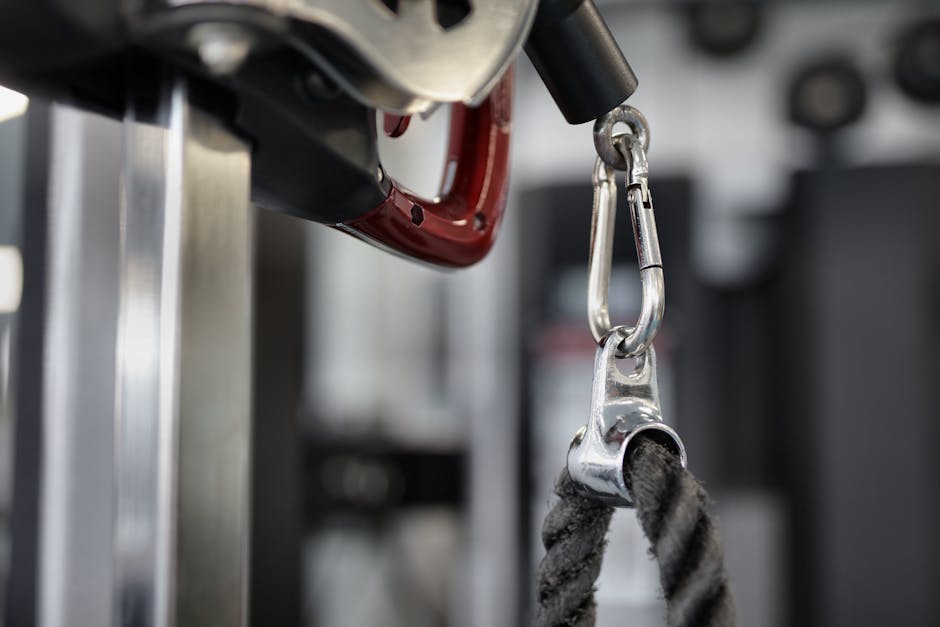
Grip Diameter and Texture: Handle thickness directly affects muscle activation. Fat grip handles like the HOG LEGS Jawbone fat grip gym handles force greater forearm and grip engagement, building crushing strength while reducing pressure concentration on smaller hand areas. Textured surfaces provide secure contact even during high-rep sets when sweat becomes a factor.
Anatomical Angles: Handles that rotate or position at natural angles accommodate individual biomechanics rather than forcing everyone into the same movement pattern. This customization allows lifters with different arm lengths, shoulder widths, and joint mobility to train optimally without compromise.
Material Quality: Premium materials matter. Industrial-grade steel, reinforced welding, and commercial-quality coatings ensure handles won't fail under heavy loads. When you're maxing out on heavy rows or pressing movements, equipment failure isn't just inconvenient—it's dangerous.
Versatility: The best ergonomic handles serve multiple purposes. Systems like the Pull Force Mainbeam modular cable machine attachments offer adaptability across exercises, eliminating the need for dozens of single-purpose attachments while maintaining ergonomic excellence.
Ergonomic Handles for Specific Training Applications
Different exercises demand different ergonomic solutions. Strategic handle selection amplifies training effectiveness across all movement patterns.
Tricep Training: Standard tricep ropes often lack sufficient length or proper construction, limiting range of motion and grip options. The Massive BULL TAIL 2" tricep attachment provides extreme length and diameter, allowing full arm extension and superior muscle stretch at the top of pressdown movements. This enhanced range translates directly to greater muscle fiber recruitment and growth stimulus.
Rowing Movements: Back training suffers tremendously from poor handle design. Narrow, fixed-position handles limit scapular retraction and force unnatural shoulder internal rotation. Multi-position systems like the HOG LEGS Multi-Row cable handles offer multiple grip widths and angles within a single attachment, enabling neutral, pronated, and supinated grips that target different back regions and prevent overuse patterns.
Shoulder and Delt Work: Lateral raises, upright rows, and face pulls require handle designs that don't compromise shoulder health. The DELT-BELT handle straps eliminate rigid bars that force shoulders into potentially problematic positions, instead allowing natural movement paths that protect joint integrity while maximizing delt activation.
The Science of Grip Strength and Overall Performance
Grip strength serves as a limiting factor in virtually every pulling exercise and many pressing movements. When your grip fails before your target muscles reach fatigue, you're leaving gains on the platform. Ergonomic handles address this challenge from multiple angles.
Research consistently demonstrates that grip strength correlates with overall body strength and athletic performance. More importantly, grip failure creates compensation patterns where lifters unconsciously reduce weight or cut sets short to avoid the discomfort of failing grip. This self-limitation prevents progressive overload—the fundamental driver of strength and hypertrophy.
Ergonomic handles with optimized diameter, texture, and shape distribute pressure across the entire hand rather than concentrating stress on fingers alone. This distribution delays grip fatigue and allows target muscles to reach true mechanical failure. For exercises like heavy rows, deadlifts, or farmer's carries, the difference is transformative.
Additionally, training with varied grip diameters—particularly thicker handles—builds functional grip strength that transfers to all lifting movements. The adaptive response strengthens not just finger flexors but the entire kinetic chain from forearms through shoulders, creating a more robust, injury-resistant musculoskeletal system.
Building Your Ergonomic Handle Arsenal
Strategic equipment investment pays dividends across training years. Rather than accumulating random attachments, build a focused collection that addresses your specific training priorities and biomechanical needs.
Start with versatility: Modular systems that accommodate multiple exercises provide the best return on investment. A single high-quality multi-position handle replaces several inferior single-purpose attachments while ensuring ergonomic consistency across movements.
Address weak points: Identify exercises where grip or joint discomfort limits performance, then target those specific applications with specialized ergonomic solutions. If shoulder health concerns limit your pressing volume, invest in shoulder-friendly handles before expanding into other categories.
Consider training style: Bodybuilders prioritizing time under tension and muscle damage benefit from handles that enable extreme ranges of motion and varied angles. Powerlifters need bombproof construction that handles maximal loads without flex or failure. Athletes requiring explosive movement benefit from handles with secure, no-slip grip surfaces.
Quality over quantity: A small collection of purpose-built, ergonomically optimized attachments from specialist manufacturers like LPGmuscle outperforms a large assortment of generic equipment. Commercial-grade construction means these tools last decades, making the initial investment negligible when amortized across thousands of training sessions.
Maximizing Results with Proper Handle Technique
Even the most ergonomic handles require proper technique to deliver their full benefits. Understanding grip mechanics and intentional handle use separates experienced lifters from beginners.
Grip pressure should be firm but not excessive. Over-gripping activates unnecessary forearm tension that can limit performance and create premature fatigue. The goal is secure contact that prevents slipping without white-knuckling the handle. This balanced tension allows energy to focus on target muscle contraction rather than grip maintenance.
Hand positioning matters tremendously. Even on ergonomic handles, small adjustments in hand placement alter muscle recruitment patterns and joint stress. Experiment with subtle variations—moving hands slightly wider or narrower, adjusting thumb position from wrapped to false grip—to find positions that maximize target muscle activation while minimizing joint discomfort.
The NHS exercise guidance emphasizes proper form and equipment use as essential components of safe, effective training. Regular assessment of technique, even on familiar exercises, prevents the gradual form degradation that often accompanies progressive overload.
Rotation and angle adjustments during exercises can enhance effectiveness. On movements permitting rotation—like some rope attachments—allowing natural forearm supination or pronation throughout the range of motion can improve muscle squeeze and reduce joint stress. Fixed handles that prevent this natural rotation often create unnecessary strain.
Conclusion
Ergonomic gym handles represent one of the highest-impact, lowest-risk upgrades available to serious lifters. While programming and nutrition rightfully dominate training discussions, the interface between your hands and the weights determines whether you can execute that perfect program without pain, limitation, or injury. Generic equipment forces compromise—compromise in joint positioning, muscle activation, and training longevity.
Purpose-built ergonomic attachments eliminate these compromises. They respect human biomechanics, enhance muscle recruitment, prevent overuse injuries, and enable the training intensity required for exceptional results. Whether you're building mass, pursuing strength, or optimizing athletic performance, your handles either support or sabotage every rep.
The choice is clear: arm yourself with equipment engineered by lifters who understand that no less than excess is acceptable. Because lame workouts are a crime, and your genetic potential deserves handles that won't hold you back. Invest in ergonomics, train with purpose, and win the respect you've earned—one bloody rep at a time.
