

Exercise Equipment for Athletes in 2026
Athletes in 2026 demand more from their training equipment than ever before. Whether you're a competitive weightlifter, bodybuilder, or serious fitness enthusiast, the right exercise equipment can mean the difference between plateau and progress. Performance-driven training requires purpose-built gear that matches your intensity, withstands brutal workouts, and delivers measurable gains. This comprehensive guide explores the essential exercise equipment athletes need to dominate their training goals.
Cable Machine Attachments: The Versatile Foundation
Cable machines remain one of the most versatile pieces of equipment in any athlete's arsenal. Unlike free weights that limit movement patterns to fixed planes, cables provide constant tension throughout the entire range of motion while allowing natural, biomechanically sound movement paths. The key to maximizing cable machine training lies in selecting the right attachments.
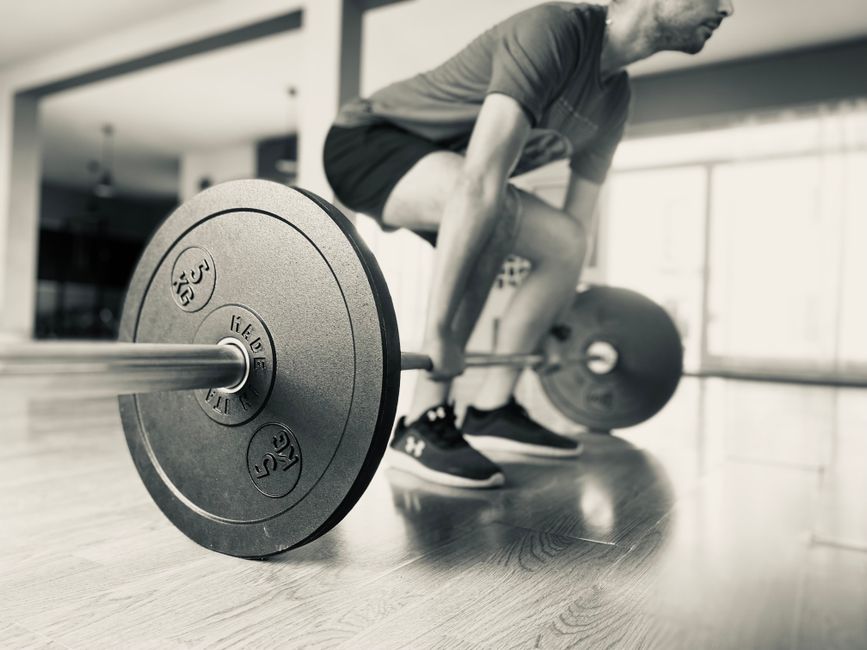
Modern cable attachments have evolved far beyond basic bars and ropes. Athletes seeking maximum muscle engagement now turn to modular systems like the Pull Force 'Mainbeam' modular cable machine attachment, which offers customizable grip positions for targeting different muscle groups with precision. This adaptability proves essential for athletes who need to address specific weaknesses or train around injuries while maintaining progressive overload.
According to the ACE Fitness exercise library, cable-based exercises activate stabilizer muscles differently than traditional free weights, providing unique strength and coordination benefits that transfer directly to athletic performance.
Specialized Rope Attachments for Arm Development
Tricep development remains crucial for athletes across nearly every sport, from swimmers to football players to combat sports competitors. The arms contribute significantly to upper body power output, making specialized rope attachments indispensable for serious training programs.
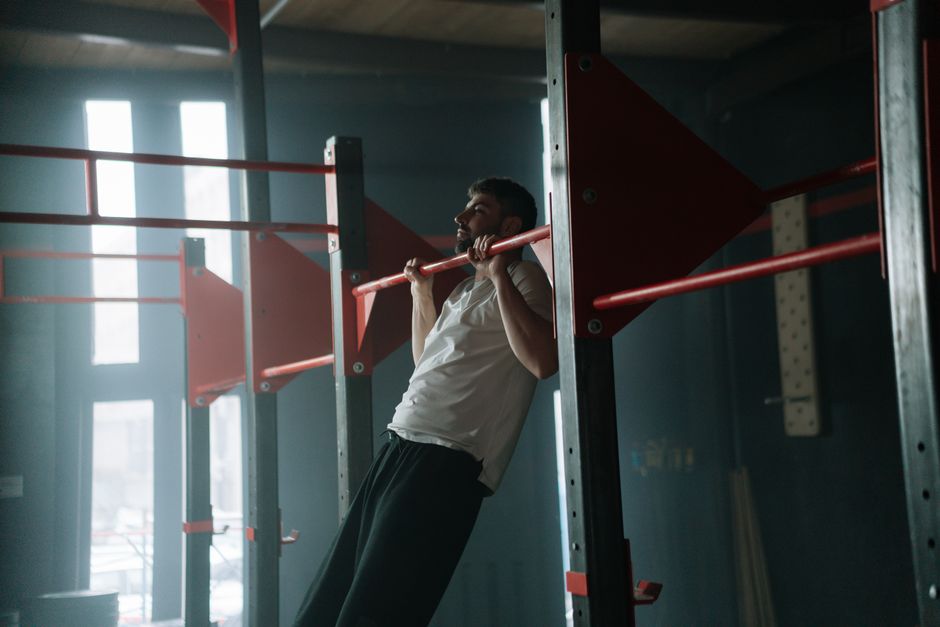
Traditional thin ropes limit grip engagement and can cause discomfort during heavy sets. Athletes training for strength and size require more robust options. The Triceps Rope Extreme Performance Viper provides enhanced diameter and construction quality that supports heavier loads while maintaining proper form throughout high-volume training sessions.
For athletes who settle for nothing less than extreme muscle activation, the massive BULL TAIL 2" tricep attachment delivers unprecedented grip challenge and forearm engagement alongside primary tricep stimulation. This thick-rope design forces greater motor unit recruitment, translating to superior strength gains and muscle development.
Rowing Equipment for Back Development and Power
A powerful back forms the foundation of athletic performance across virtually all sports. Rowing movements build the posterior chain strength essential for explosive power, injury prevention, and balanced physique development. The equipment athletes choose for back training directly impacts their results.
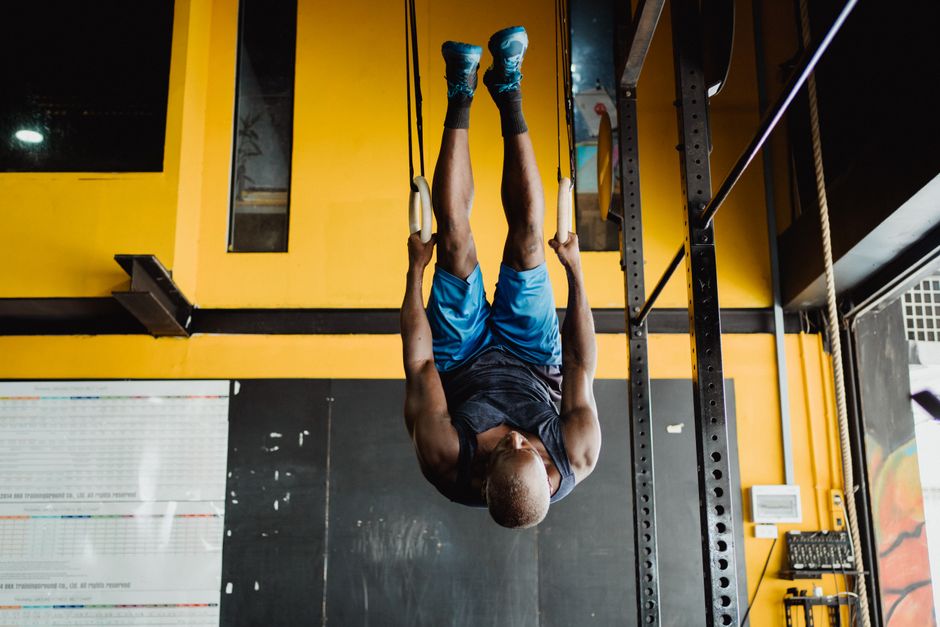
Multi-functional rowing attachments provide exercise variety without cluttering gym space. These versatile tools allow athletes to perform various rowing angles and grip positions, targeting different areas of the back musculature. The ability to switch quickly between exercises maintains workout intensity and maximizes training efficiency—critical factors for time-conscious athletes balancing sport-specific training with strength work.
Fat grip handles have gained popularity among athletes for good reason. Research consistently shows that thicker grips increase muscle activation in the forearms, biceps, and upper back. This enhanced activation builds functional strength that transfers directly to sports performance, from grappling to climbing to racquet sports.
Equipment for Targeted Shoulder and Deltoid Training
Shoulder health and development prove critical for athletes in overhead sports, contact sports, and any activity requiring upper body stability. Cable-based shoulder training offers advantages over free weights by maintaining constant tension and allowing safer training angles that reduce injury risk while maximizing muscle engagement.
Specialized strap attachments enable unique exercises that traditional bars cannot accommodate. The DELT-BELT handle straps exemplify this innovation, providing multiple exercise options including upright rows and ab work from a single, versatile attachment. This multi-functionality appeals to athletes who need comprehensive training tools without excessive equipment investment.
Shoulder training requires particular attention to exercise variation and joint angle manipulation. Athletes must address all three deltoid heads—anterior, lateral, and posterior—along with the rotator cuff musculature. Equipment versatility directly correlates with training effectiveness in this complex joint structure.
Integration with Sport-Specific Athletic Training
Elite athletes in 2026 recognize that generic fitness equipment fails to address sport-specific needs. The most effective training programs integrate general strength development with movement patterns that directly transfer to athletic performance. This requires equipment capable of replicating sport-specific angles, speeds, and resistance curves.
Cable-based training excels in this sport-specific application. Athletes can position pulleys at heights and angles that mimic throwing motions, swimming strokes, combat movements, or any other athletic skill requiring resistance training. This specificity principle, supported by decades of sports science research, accelerates athletic development beyond what traditional equipment allows.
The CDC physical activity guidelines emphasize the importance of muscle-strengthening activities for overall health and performance. Athletes training at high levels require equipment that supports progressive overload safely and effectively across multiple movement patterns.
Programming Considerations for Athletes
Owning quality equipment represents only half the equation. Athletes must implement intelligent programming that balances intensity, volume, and recovery. Periodization models that cycle through strength, power, and hypertrophy phases prevent overtraining while maximizing long-term development.
Exercise selection should address sport-specific demands while correcting muscular imbalances common in specialized athletes. Swimmers need extra pulling strength to balance anterior-dominant movements. Runners benefit from posterior chain emphasis. Team sport athletes require explosive power development alongside strength endurance.
Durability and Quality in Athletic Equipment
Athletes training at high intensity multiple times weekly cannot afford equipment failure. Cheap attachments bend, break, or wear out quickly under heavy loads and frequent use. These failures waste money, interrupt training, and potentially cause injury.
Professional-grade equipment built for serious athletes features robust construction, quality materials, and design that withstands punishment. Steel construction, reinforced connection points, and quality knurling or grip surfaces indicate equipment built to last. Athletes investing in proper gear avoid the frustration and expense of replacing inferior products repeatedly.
Equipment warranties and manufacturer reputation provide insight into true quality. Companies standing behind their products with comprehensive warranties demonstrate confidence in construction quality and durability. This assurance proves particularly valuable for athletes making significant equipment investments.
Building Your Athletic Training Arsenal
Assembling a complete training setup requires strategic planning. Athletes should prioritize versatile, high-quality pieces that address multiple training needs before adding specialized equipment. A modular approach allows gradual investment while maintaining training effectiveness.
Essential starting points include quality cable attachments covering major movement patterns: pressing, pulling, and extension exercises. From this foundation, athletes can add specialized pieces addressing specific development needs or training preferences. This phased approach prevents overcrowding while ensuring every piece serves a purpose.
The NHS exercise guidance reinforces the importance of strength training for long-term health and athletic performance. Proper equipment facilitates consistency, the ultimate determinant of training success.
Conclusion
Exercise equipment for athletes in 2026 reflects the evolution of training science and athlete expectations. Generic, mass-market gear no longer satisfies serious competitors who understand that equipment quality directly impacts training outcomes. Purpose-built attachments, durable construction, and versatile functionality separate equipment that supports athletic excellence from equipment that merely occupies space.
Athletes who settle for "no less than excess" from themselves must demand the same from their training equipment. Quality cable attachments, specialized grips, and multi-functional pieces enable the intensity, variety, and progressive overload required for continuous improvement. The investment in proper equipment pays dividends through superior training quality, reduced injury risk, and ultimately, enhanced athletic performance where it matters most: in competition.
Whether you're building a home gym or selecting equipment for facility use, prioritize quality, versatility, and sport-specific applicability. Your equipment should match your intensity, support your goals, and withstand the brutal workouts that forge athletic excellence. One bloody rep at a time.
