
Forearm Roller Machine: the Ultimate Tool for Building Crushing Grip Strength
What Is a Forearm Roller Machine and Why Every Serious Lifter Needs One
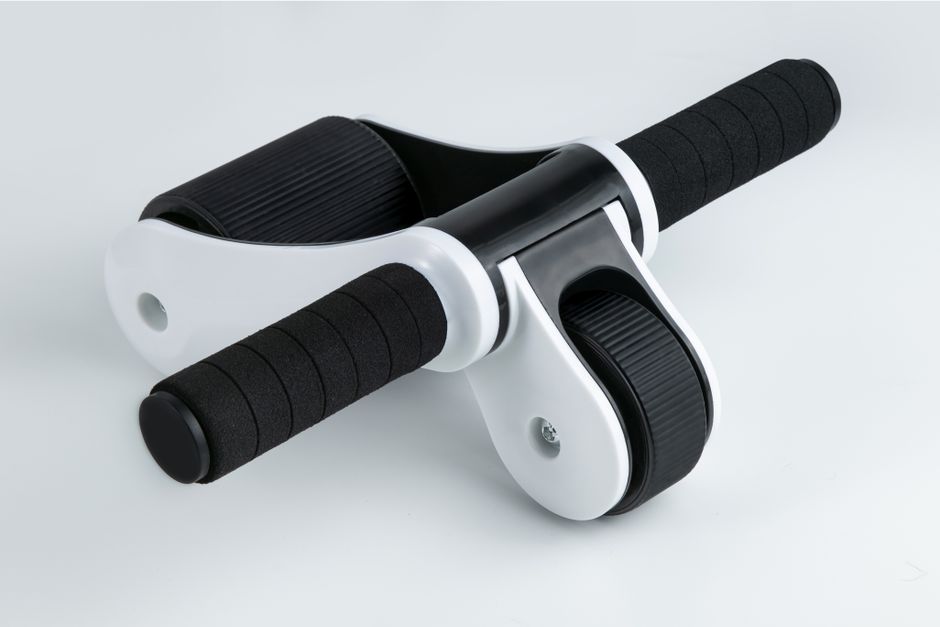
The forearm roller machine stands as one of the most effective yet underutilized pieces of equipment in the modern gym arsenal. This deceptively simple device consists of a weighted roller attached to a handle or frame, designed specifically to target the forearms, wrists, and grip muscles through controlled rolling motions. While old-school strongmen have sworn by this tool for decades, today's serious lifters are rediscovering its unmatched ability to build crushing grip strength and massive forearms.
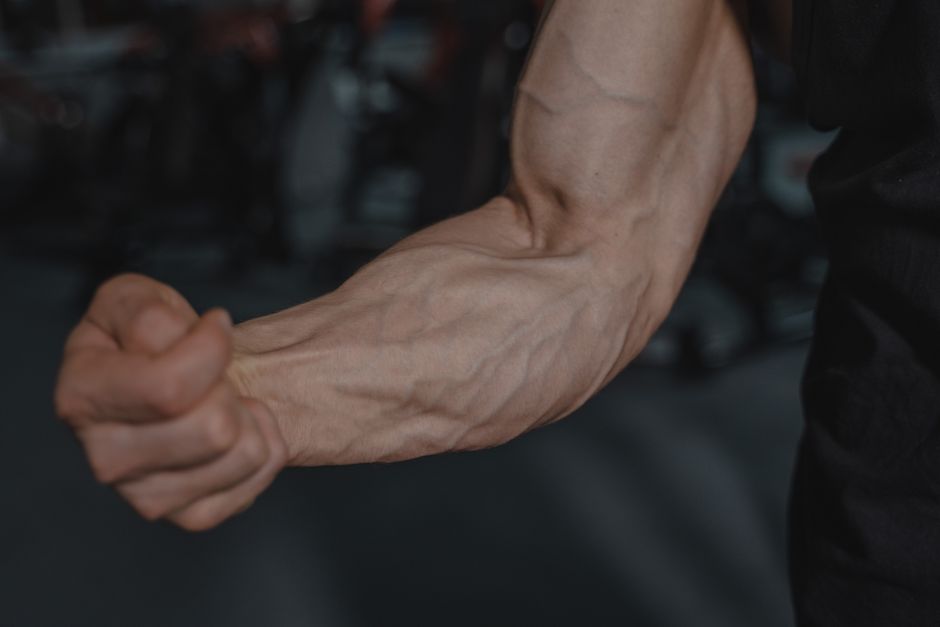
Unlike traditional forearm exercises that often involve partial ranges of motion or limited resistance patterns, the forearm roller machine provides continuous tension throughout the entire movement. This constant resistance challenges both the flexor and extensor muscles of the forearms, creating a comprehensive workout that translates directly to improved performance in deadlifts, rows, carries, and virtually every pulling movement.
For weightlifters, bodybuilders, and athletes who refuse to accept mediocrity, the forearm roller machine represents a non-negotiable addition to their training arsenal. When your grip gives out before your target muscles during heavy deadlifts or rows, you're leaving gains on the table. The forearm roller machine ensures your grip strength never becomes the limiting factor in your pursuit of excellence.
Superior Muscle Activation and Exercise Variations
The forearm roller machine targets multiple muscle groups simultaneously, making it an incredibly efficient training tool. The primary movers include the flexor carpi radialis, flexor carpi ulnaris, and palmaris longus during the rolling-up phase, while the extensor muscles work during the controlled lowering phase. This dual-action approach ensures balanced development and reduces the risk of muscle imbalances that plague many lifters.
Professional-grade forearm roller machines offer several exercise variations that keep training fresh and challenging:
- Standard Roll-Ups: The classic forward-facing grip movement that builds pure crushing strength
- Reverse Roll-Ups: Using an overhand grip to emphasize the often-neglected extensor muscles
- Single-Arm Variations: Unilateral training to address strength imbalances
- Timed Holds: Isometric challenges that build endurance and mental toughness
- Speed Rolls: Fast-paced movements for power development and conditioning
Research from the Journal of Strength and Conditioning Research demonstrates that forearm-specific training significantly improves grip strength across multiple grip positions, directly translating to improved performance in compound movements. The forearm roller machine's unique resistance profile creates adaptations that static holds and traditional forearm exercises simply cannot match.
Choosing the Right Forearm Roller Machine for Maximum Results
Not all forearm roller machines are created equal, and selecting the right equipment can mean the difference between mediocre results and breakthrough gains. High-performance machines should feature adjustable weight systems, ergonomic handles, and bombproof construction that can withstand the abuse of serious training sessions.

Key features to prioritize when selecting a forearm roller machine include:
- Weight Capacity: Look for machines that accommodate significant weight loads as your strength progresses
- Smooth Rolling Action: Quality bearings and pulleys ensure consistent resistance throughout the movement
- Adjustable Positioning: Multiple height and angle settings accommodate different body types and exercise variations
- Commercial-Grade Materials: Steel construction with high-quality finishes that resist wear and corrosion
- Ergonomic Design: Proper handle spacing and grip textures that enhance performance and safety
Professional-grade equipment from companies like LPGmuscle represents the pinnacle of forearm roller machine design. These machines are engineered by lifters who understand that compromising on equipment quality means compromising on results. When you're waging war against your limitations, you need equipment that matches your intensity and commitment to excellence.
Programming and Integration Strategies for Optimal Gains
Integrating forearm roller machine training into your program requires strategic planning to maximize benefits while avoiding overuse. The forearms are involved in virtually every upper body exercise, making recovery considerations paramount. Smart programming places forearm-specific training at strategic points within your weekly schedule to enhance rather than hinder your primary lifts.
Effective programming strategies include:
- End-of-Workout Finishers: Complete 2-3 sets after your primary training when the forearms are pre-fatigued
- Dedicated Arm Days: Include forearm roller work alongside bicep and tricep training
- Pre-Exhaustion Protocols: Use light roller work as activation before heavy pulling sessions
- Recovery Sessions: Light, high-repetition roller work can promote blood flow on rest days
Progressive overload principles apply just as critically to forearm training as any other muscle group. Start with manageable weights and focus on perfect form before advancing to heavier loads. The American College of Sports Medicine recommends progressive resistance training protocols that can be effectively applied to forearm roller machine workouts, ensuring continuous adaptation and strength gains.
Advanced lifters often incorporate periodization strategies, alternating between strength-focused phases (lower repetitions, heavier weights) and endurance phases (higher repetitions, moderate weights). This approach prevents plateaus and ensures well-rounded forearm development that translates to improved performance across all training modalities.
Real-World Performance Benefits and Athletic Applications
The forearm roller machine's benefits extend far beyond impressive forearm development. Grip strength improvements translate directly to enhanced performance in compound movements, sports-specific skills, and functional activities. Deadlift lockouts become more secure, rowing movements feel more controlled, and carrying capacity increases dramatically.
Athletes across various sports report significant performance improvements after incorporating forearm roller training:
- Powerlifters: Improved deadlift lockout strength and reduced grip-related failures
- Strongman Athletes: Enhanced performance in carrying events and implement lifting
- Rock Climbers: Increased endurance and grip security on challenging routes
- Combat Sports Athletes: Stronger grappling and striking power
- Baseball Players: Improved bat control and throwing velocity
Studies published in the National Strength and Conditioning Association journals consistently demonstrate the transfer of grip strength training to sport-specific performance measures. The forearm roller machine's unique resistance profile creates adaptations that static training methods cannot replicate, making it an invaluable tool for serious athletes.
Beyond athletic performance, forearm roller machine training provides practical benefits for everyday activities. Carrying groceries, opening jars, and maintaining grip strength as we age all benefit from targeted forearm development. This equipment represents an investment in long-term functional capacity and quality of life.
Safety Considerations and Proper Technique
While the forearm roller machine is relatively straightforward to use, proper technique and safety considerations ensure optimal results while minimizing injury risk. Controlled movements and appropriate warm-up protocols are essential for safe and effective training sessions.
Essential safety guidelines include:
- Thorough Warm-Up: Always begin with light wrist circles and gentle stretching
- Controlled Tempo: Avoid rapid, jerky movements that can strain tendons and ligaments
- Appropriate Weight Selection: Start conservatively and progress gradually
- Full Range of Motion: Complete both the rolling-up and lowering phases deliberately
- Proper Grip: Maintain neutral wrist position throughout the movement
Listen to your body and respect the recovery requirements of the forearms and wrists. These smaller muscle groups require adequate rest between intense sessions to adapt and grow stronger. Overuse injuries in the forearms can significantly impact training across all movements, making conservative progression the wisest approach.
Conclusion
The forearm roller machine represents more than just another piece of gym equipment—it's a gateway to unlocking your true strength potential. For lifters who refuse to accept limitations and demand excellence from both themselves and their equipment, this tool provides unmatched forearm and grip development that translates directly to improved performance across all training modalities.
Whether you're a powerlifter chasing deadlift PRs, a bodybuilder seeking complete physique development, or an athlete looking to gain a competitive edge, the forearm roller machine deserves a place in your training arsenal. When combined with high-quality equipment designed by lifters for lifters, this simple yet effective tool becomes a weapon in your war against mediocrity.
Don't let weak forearms limit your potential. Arm yourself with professional-grade equipment and commit to the consistent, progressive training that separates champions from pretenders. Your future PRs depend on the choices you make today, and investing in proper forearm development is an investment in unlimited strength potential.
