

Gym Cable Machine Attachments Guide 2026
Cable machine attachments represent one of the most versatile components of modern strength training, transforming a single cable station into a comprehensive workout tool capable of targeting every major muscle group. As of 2026, serious lifters understand that the quality and variety of attachments directly impact training effectiveness, muscle activation, and long-term progress. Whether you're building a home gym, outfitting a commercial facility, or simply upgrading your arsenal, understanding the landscape of cable attachments is essential for maximizing your training investment.
The evolution of cable machine accessories has accelerated dramatically over recent years, with manufacturers like LPGmuscle leading the charge in purpose-built, high-performance equipment designed by lifters for lifters. The difference between standard attachments and premium, specialized equipment becomes evident within weeks of consistent training—better grip security, enhanced muscle engagement, and durability that withstands years of heavy use. For those looking to optimize their training setup, exploring Innovative Cable Machine Attachments can provide a significant edge.
Essential Cable Attachment Categories
Understanding the primary categories of cable attachments helps you build a comprehensive collection that addresses all training needs. Each attachment type serves specific functions and muscle groups, though many offer versatility beyond their primary purpose.
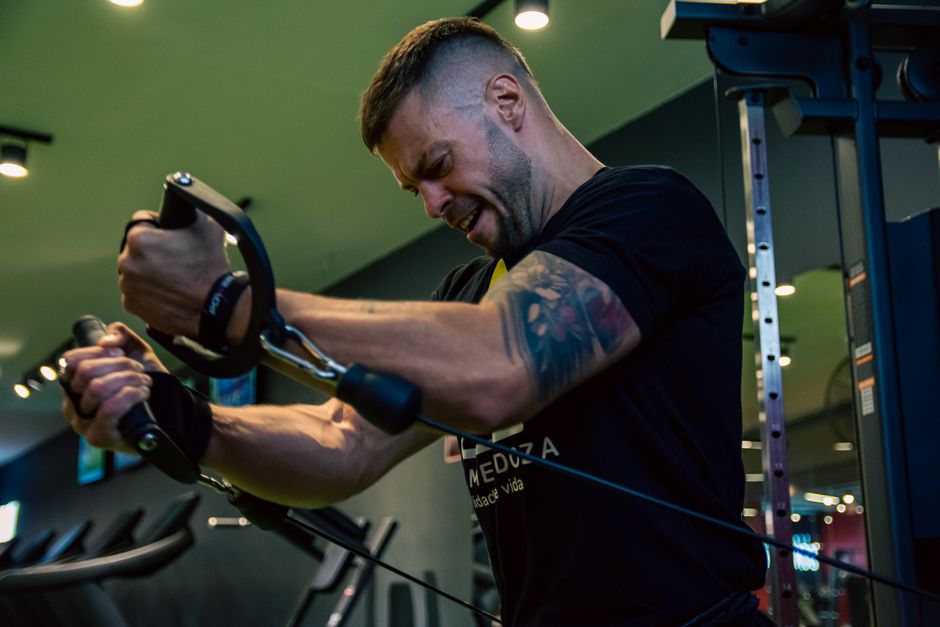
Straight bars and cambered bars form the foundation of most cable work, particularly for pressing and pulling movements. These attachments enable bilateral exercises like tricep pushdowns, lat pulldowns, and cable curls. Modular systems like the Pull Force Mainbeam with Ball Slides revolutionize this category by offering customizable grip positions that accommodate different body types and training objectives.
Rope attachments remain indispensable for functional movement patterns and exercise variety. The Triceps Rope Extreme Performance Viper exemplifies advanced rope design, with superior durability and ergonomic grip surfaces that maintain integrity under heavy loads. Rope attachments excel for tricep extensions, face pulls, and core rotation exercises where natural wrist movement is essential.
Specialized handles including single D-handles, rotating handles, and fat grip options provide targeted solutions for specific exercises. These attachments enable unilateral training, addressing muscle imbalances and creating varied stimulus patterns that prevent adaptation plateaus. According to the ACE Fitness exercise library, unilateral cable exercises effectively improve functional strength and movement quality.
Innovative hybrid attachments represent the cutting edge of cable equipment, combining multiple functions into single tools. Multi-purpose designs like the HOG LEGS Multi-Row with accessories transform training efficiency by eliminating equipment changes between exercises.
Material Quality and Construction Standards
The construction quality of cable attachments directly impacts both safety and performance. As of 2026, discerning lifters demand equipment that matches their commitment to training intensity. Premium attachments use aircraft-grade materials, reinforced connection points, and ergonomic designs that distribute force efficiently.

Steel quality matters significantly. High-carbon steel with proper heat treatment provides the strength-to-weight ratio necessary for heavy compound movements. Inferior materials bend, warp, or fail catastrophically under load, creating safety hazards and interrupting training programs. Welds should be continuous and professionally finished, with no rough edges or weak points that could compromise structural integrity. For those serious about their training, investing in Elite Fitness Equipment for Strength Training is paramount.
Grip surfaces require special attention. Knurling depth, pattern, and coverage area affect both comfort and security during high-intensity sets. Rope materials must resist fraying while maintaining flexibility, and rubber components should use commercial-grade compounds that won't degrade with sweat exposure and repeated stress. The Bull Tail massive 2-inch tricep rope demonstrates how diameter and construction quality impact both performance and longevity.
Connection hardware deserves scrutiny. Carabiners, swivels, and attachment pins must exceed expected load ratings with comfortable safety margins. Rotating connections prevent cable twisting during exercises, extending cable life and maintaining smooth operation throughout movements.
Exercise Application and Training Versatility
The true value of cable attachments emerges through their application across diverse training protocols. A well-selected collection enables complete body development while supporting multiple training philosophies from bodybuilding to functional fitness.

Upper body development demands variety. Tricep work benefits from multiple attachment options—ropes for maximum stretch and contraction, straight bars for heavy loading, and specialized straps like the DELT-BELT Handle Straps for unique angles and reduced wrist stress. Back training requires equal diversity, with wide-grip bars, close-grip handles, and row-specific attachments providing comprehensive lat, rhomboid, and trap development. For a deeper dive into optimal selections, check out our Cable Machine Grip Attachments Guide.
Lower body cable work often gets overlooked, yet attachments designed for leg exercises deliver unique benefits. Cable kickbacks, abductions, and pull-throughs target glutes and hamstrings with constant tension unavailable from free weights. Ankle strap attachments expand possibilities for isolated leg work and rehabilitation protocols.
Core training via cables provides superior resistance profiles compared to bodyweight exercises. Rotational movements, woodchops, and anti-rotation holds develop functional core strength that transfers to athletic performance and daily activities. The CDC physical activity guidelines emphasize the importance of strengthening exercises for overall health, and cable work efficiently addresses these recommendations.
Commercial Gym vs Home Gym Requirements
Equipment needs differ significantly between commercial facilities and home setups. Commercial gyms require durability to withstand hundreds of training sessions weekly, accommodating diverse user populations with varying experience levels and body types. Attachment collections must be comprehensive, covering all common exercises without forcing members to improvise or wait for equipment.
Home gym builders typically prioritize versatility over quantity. Modular attachments that serve multiple purposes provide better value in space-limited environments. The Pull Force Mainbeam with Standard Slides exemplifies this approach, enabling grip width adjustments and multiple exercise variations from a single bar.
Storage considerations matter more in home settings. Attachment designs that stack efficiently or mount on racks preserve valuable floor space. Wall-mounted pegboards or custom storage solutions keep attachments organized and accessible without cluttering training areas.
Investment strategy differs between contexts. Commercial operators often batch-purchase matching sets for consistency and bulk discounts, while home users can gradually build collections based on evolving training needs and priorities. Both approaches benefit from starting with foundational pieces before expanding into specialized equipment.
Maintenance and Longevity Practices
Proper maintenance extends attachment lifespan dramatically while maintaining optimal performance. Regular inspection protocols catch developing issues before they become safety hazards or require replacement. Check connection points monthly for wear, examining swivels for smooth rotation and carabiners for gate integrity.
Cleaning schedules prevent corrosion and material degradation. Wipe down attachments after use to remove sweat and chalk residue. Monthly deep cleaning with appropriate solvents removes accumulated grime without damaging protective coatings. Rope attachments benefit from occasional washing to refresh grip surfaces and remove embedded chalk.
Lubrication requirements vary by attachment type. Moving parts including swivels and rotating handles need periodic application of appropriate lubricants to maintain smooth operation. Avoid over-lubrication which attracts dust and debris, compromising long-term function.
Storage practices influence durability significantly. Hang attachments when possible rather than piling them, preventing unnecessary stress on ropes and bent hardware. Climate-controlled environments prevent rust formation, particularly important for facilities in humid regions. Protective cases or bags shield specialized attachments during transport or extended storage periods.
Selection Criteria for Optimal Performance
Choosing appropriate cable attachments requires analyzing training goals, exercise preferences, and budget constraints. Begin by identifying your primary training focus—bodybuilding, powerlifting, athletic performance, or general fitness—as this determines which attachments deliver maximum value.
Grip preferences significantly impact exercise comfort and effectiveness. Fat grips like those found on HOG LEGS Jawbone handles increase forearm activation and may reduce joint stress for some users, while standard diameter grips provide traditional feel and maximum load capacity. Test different options when possible before committing to expensive specialized equipment.
Compatibility verification prevents costly mistakes. Confirm that attachment connection hardware matches your cable machine specifications, particularly pin diameter and locking mechanisms. Adapter systems exist for mixing equipment types, though direct compatibility always provides superior security and performance.
Budget allocation should prioritize quality over quantity. Three exceptional attachments outperform ten mediocre ones, providing better training stimulus, greater safety, and longer service life. Premium equipment like LPGmuscle's purpose-built attachments represents investment in training effectiveness rather than expense, particularly when calculated over years of consistent use. This dedication to quality aligns well with what serious lifters expect from Gym Equipment Designed for Bodybuilders.
The NHS exercise guidance reinforces the importance of strength training as part of balanced fitness programs, and quality equipment facilitates adherence by making workouts more effective and enjoyable.
Conclusion
Gym cable machine attachments form the bridge between basic cable stations and comprehensive training systems capable of developing complete physiques. As of 2026, the equipment landscape offers unprecedented variety, from fundamental bars and ropes to innovative modular systems and specialized tools designed for specific muscle groups and movement patterns. Quality matters profoundly—premium attachments provide superior grip, enhanced durability, and safety margins that justify their investment through years of reliable service.
Building an effective collection requires understanding your training priorities, recognizing quality indicators, and selecting versatile pieces that maximize exercise options without unnecessary redundancy. Whether equipping a commercial facility or home gym, focus on foundational attachments first, then expand into specialized equipment as training demands evolve. Proper maintenance practices extend equipment lifespan while maintaining optimal performance and safety standards.
The difference between adequate and exceptional cable attachments becomes evident in training results, user satisfaction, and equipment longevity. For lifters who demand no less than excess from both themselves and their equipment, companies like LPGmuscle deliver purpose-built tools designed to extract maximum gain from every rep. Arm yourself appropriately for the war for more—your training intensity deserves equipment that matches your commitment.
