

Lat Pulldown Bar Options: Complete Guide
The lat pulldown is a cornerstone exercise for building a powerful back, and the bar you choose can dramatically impact your results. Whether you're a seasoned bodybuilder, competitive athlete, or gym owner outfitting a training facility, understanding the full spectrum of commercial gym cable attachments ensures you're maximizing every rep. Different bars target muscles from varying angles, recruit different muscle fibers, and accommodate different body mechanics. Let's dive into the essential lat pulldown bar options that separate average workouts from extraordinary gains.
The Classic Wide Grip Lat Bar
The wide grip lat bar remains the gold standard for a reason. This traditional attachment features a long, straight bar with gentle downward angles at the ends, positioning your hands wider than shoulder-width. The wide grip emphasizes the outer lats, creating that coveted V-taper physique that defines a powerful back.
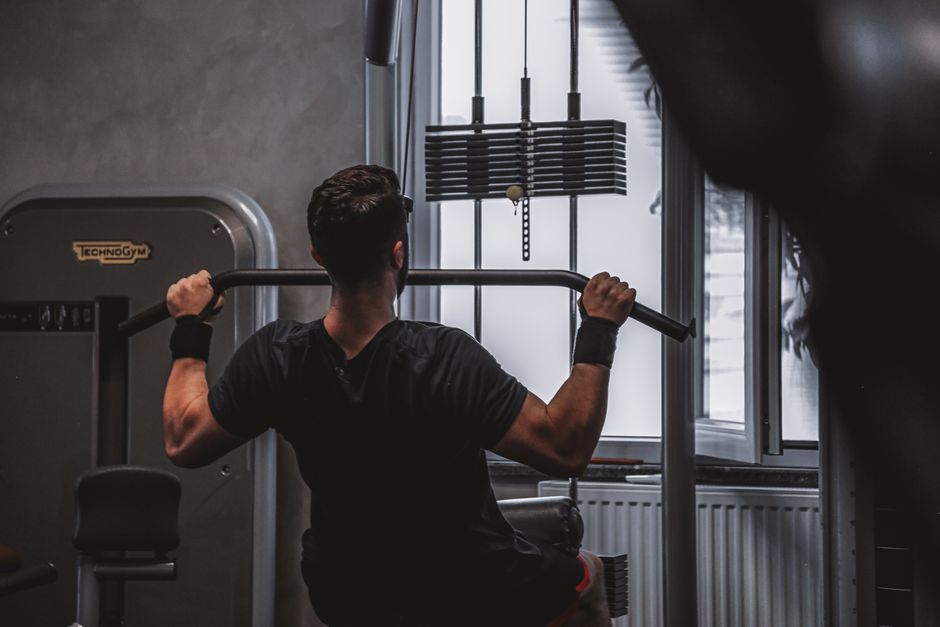
When using a wide grip bar, your lats work through a longer range of motion in the stretched position, recruiting maximum muscle fibers during the eccentric phase. This bar excels at developing width across your back, targeting the teres major and the lateral portions of the latissimus dorsi. According to ACE Fitness exercise research, proper form with a wide grip bar involves pulling to the upper chest while maintaining a slight backward lean, keeping the focus squarely on lat activation rather than relying on momentum.
The wide grip bar works best for building impressive back width and is particularly effective during hypertrophy-focused training phases. However, those with shoulder mobility limitations may need to adjust their grip width to prevent impingement.
Close Grip and Narrow Attachment Options
Close grip bars and V-bar attachments shift the emphasis from width to thickness, targeting the middle back and lower lats with surgical precision. These attachments position your hands closer together, typically 6-12 inches apart, allowing for a longer range of motion and deeper muscle contraction.

The close grip setup recruits more of the middle trapezius, rhomboids, and lower lat fibers, building that dense, thick appearance when viewed from the side. The neutral grip position (palms facing each other) also reduces stress on the shoulder joints and wrists, making this option ideal for lifters managing joint issues or those training with higher frequency.
V-bars and parallel grip attachments enable you to pull the bar lower toward your abdomen, maximizing lat stretch at the bottom and achieving peak contraction at the finish. This variation also increases bicep involvement compared to wide grip variations, making it a compound movement that delivers comprehensive upper body development.
Specialty Bars: MAG Grips and Rotating Handles
Innovation in cable attachment design has produced game-changing options like MAG grips and rotating handle bars. These specialty attachments feature multiple grip positions on a single bar, allowing you to adjust hand placement mid-workout or between sets without changing equipment.
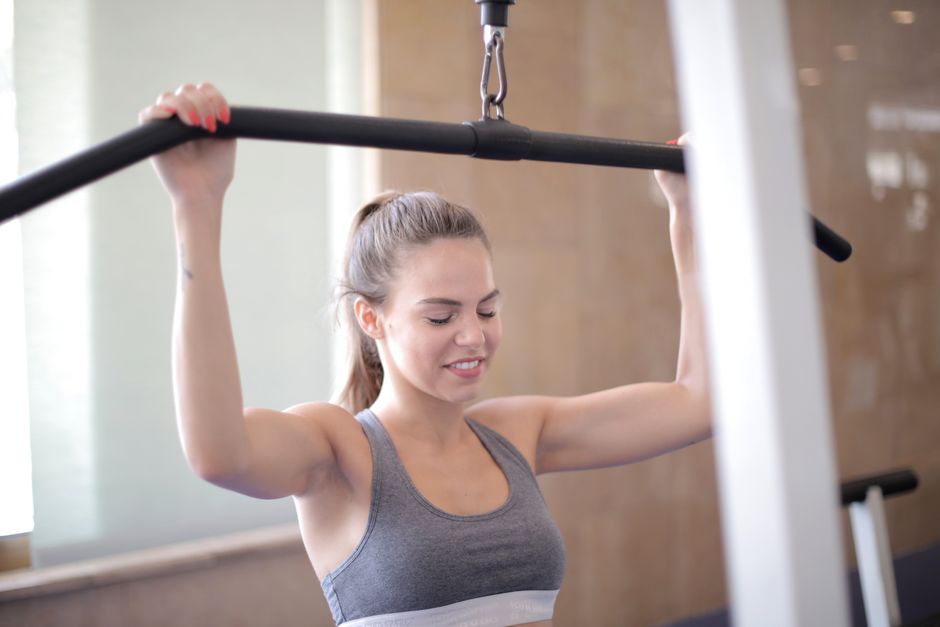
MAG grip bars incorporate thick, ergonomically angled handles that optimize wrist and elbow alignment throughout the pulling motion. The angled design positions your hands in a more natural path, reducing joint stress while increasing mechanical advantage at the point of peak contraction. These bars typically offer 3-5 different grip widths on one attachment, providing versatility that justifies their investment for serious lifters.
Rotating handle bars feature independently moving grips that follow your natural pulling path, eliminating the fixed position that can create wrist torque. As you pull, the handles rotate slightly, accommodating your body's biomechanics rather than forcing adaptation to a rigid bar. This freedom of movement often allows lifters to handle more weight while maintaining cleaner form and reducing injury risk.
Straight Bar vs. Curved Bar Considerations
The debate between straight and curved lat bars centers on shoulder positioning and range of motion. Straight bars maintain your shoulders in a fixed position throughout the movement, emphasizing pure lat strength without rotation. They're excellent for building raw pulling power and work particularly well for those with excellent shoulder mobility.
Curved or cambered bars angle downward at the ends, positioning your shoulders in slight external rotation. This design accommodates natural shoulder mechanics for most lifters, reducing impingement risk while still delivering intense lat stimulation. The curve typically allows for a slightly wider grip without excessive shoulder stress.
Many experienced lifters rotate between straight and curved bars across training mesocycles, using straight bars during strength-focused phases and curved bars during higher-volume hypertrophy blocks. This variation prevents adaptation and addresses back development from multiple angles. Regular physical activity with proper equipment selection contributes to overall health outcomes, as emphasized in CDC physical activity guidelines.
Single-Arm and Unilateral Attachments
Single-arm attachments transform the bilateral lat pulldown into a unilateral exercise, addressing muscle imbalances and developing core stability alongside back strength. D-handles, single stirrup grips, and specialized single-arm bars attach to one side of the cable, forcing each lat to work independently.
Unilateral training reveals and corrects strength discrepancies between sides, prevents the dominant side from compensating for the weaker side, and requires significant core engagement to resist rotation. The anti-rotation component adds a functional training element, building the type of integrated strength that transfers to athletic performance and daily activities.
Programming single-arm variations requires halving your typical bilateral weight and focusing on controlled tempo. The instability and core demand mean you'll use significantly less load, but the quality of muscle contraction often surpasses bilateral movements. Many advanced lifters incorporate single-arm pulldowns as accessory work following heavy bilateral exercises.
Material, Knurling, and Build Quality Factors
A lat bar's construction quality directly impacts performance, safety, and longevity. Premium attachments feature solid steel construction, often with chrome, black oxide, or powder-coated finishes that resist corrosion in high-humidity gym environments. Cheap bars bend under heavy loads, develop play in the connection points, and deteriorate rapidly.
Knurling depth and pattern affect grip security without destroying your hands. Aggressive knurling provides maximum grip but can tear calluses during high-rep sets. Moderate knurling offers the sweet spot for most lifters, delivering secure grip without excessive abrasion. Smooth chrome sections suit those who prefer a friction-free surface or use lifting straps.
Connection hardware deserves scrutiny. Look for reinforced welding at stress points, heavy-duty carabiners or clip systems, and swivel bearings that prevent cable twisting. Quality attachments from manufacturers like LPGmuscle who specialize in cable machine equipment are built to withstand years of punishment while maintaining smooth operation.
Rubber or urethane end caps protect both the bar and weight stacks when the attachment contacts them at full extension. This detail might seem minor, but protective bumpers significantly extend equipment life and reduce noise in commercial facilities. As noted in NHS exercise guidance, proper equipment and technique form the foundation of safe, effective strength training.
Choosing the Right Bar for Your Goals
Your optimal weight training handles selection depends on training objectives, experience level, and physical considerations. Beginners benefit from starting with a standard wide grip bar to master the fundamental movement pattern before progressing to specialty variations. This approach builds the neuromuscular coordination and lat mind-muscle connection that enhances all future back training.
Bodybuilders chasing maximum hypertrophy should rotate through multiple bar options across training blocks, using wide grip for outer lat width, close grip for middle back thickness, and specialty bars to address weak points. This varied approach ensures complete back development from every angle.
Athletes and functional fitness enthusiasts gain value from bars that accommodate natural movement patterns, such as rotating handles or neutral grip options. These attachments build pulling strength that translates directly to sports performance while minimizing joint stress that could derail training consistency.
Gym owners equipping commercial facilities should invest in a diverse attachment selection. At minimum, stock wide grip bars, close grip/V-bars, and straight bars. Adding MAG grips or rotating handle bars differentiates your facility and attracts serious lifters who appreciate quality equipment options.
Conclusion
Lat pulldown bar options extend far beyond the standard wide grip bar, offering targeted variations that address specific development goals, accommodate individual biomechanics, and prevent training stagnation. From classic wide and close grip bars to innovative rotating handles and specialty MAG grips, each option delivers unique benefits when programmed appropriately. Quality construction matters—bars built with robust materials, thoughtful knurling, and reinforced connection points withstand heavy use while protecting your investment. Whether you're a bodybuilder sculpting a competition-worthy back, an athlete building functional pulling power, or a gym owner curating premium equipment, understanding these lat pulldown bar options empowers you to make informed decisions that maximize results. Arm yourself with the right attachments, attack each workout with intensity, and build the powerful back you've earned through dedication and intelligent training choices.
