

Rowing Handle Cable Machine Attachments Guide
The cable machine remains one of the most versatile pieces of equipment in any serious training facility, and the rowing handle attachment stands as perhaps its most transformative accessory. Whether you're a competitive bodybuilder, strength athlete, or gym owner outfitting a commercial space, understanding the nuances of rowing handle cable machine attachments separates mediocre back development from the kind of width and thickness that commands respect on any platform.
As of 2026, the evolution of cable attachments has reached new heights, with specialized equipment designed by lifters who understand that generic, mass-produced handles simply don't deliver the targeted muscle engagement required for serious hypertrophy. According to the CDC's physical activity guidelines, adults should engage in muscle-strengthening activities of moderate or greater intensity at least two days per week, making quality equipment selection crucial for long-term training success.
Understanding Rowing Handle Cable Machine Mechanics
The rowing motion on a cable machine provides constant tension throughout the entire range of motion, unlike free weights where mechanical advantage shifts. This continuous resistance creates superior muscle fiber recruitment, particularly in the lats, rhomboids, traps, and rear delts. The key lies in the handle design: width, grip angle, rotation capability, and material all dramatically affect muscle activation patterns.

Traditional straight bars force your hands into fixed pronation or supination, potentially creating wrist strain and limiting the natural rotation your joints require during pulling movements. Advanced rowing handles incorporate rotation points, ergonomic grip angles, and variable width settings that allow your wrists and elbows to move through their natural paths while maintaining maximal tension on target muscle groups.
The HOG LEGS Multi-Row system exemplifies this engineering philosophy. The Multi-Row Low Pulley Cable Row Handles Plus offers multiple grip positions within a single attachment, allowing you to transition between wide-grip horizontal rows, narrow-grip pulls, and neutral-grip variations without changing equipment. This versatility transforms standard cable stations into comprehensive back-building platforms.
Grip Width and Muscle Targeting Strategies
Grip width fundamentally alters which portions of your back musculature receive primary emphasis during rowing movements. Wide-grip rowing handles, typically 24 inches or wider, emphasize lat width and upper back thickness. The arms move away from the torso, creating greater stretch on the lats during the eccentric phase and intense contraction during the concentric pull.
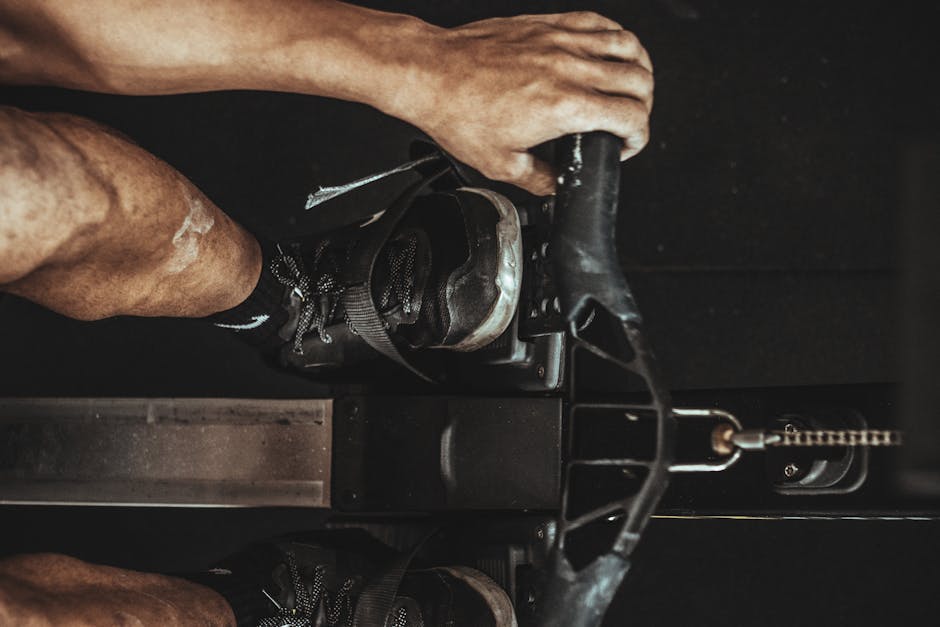
Narrow to medium-grip handles, ranging from 10 to 18 inches, shift emphasis toward the middle back, targeting the rhomboids, middle traps, and teres major with greater intensity. These grips allow your elbows to travel closer to your sides, creating the arm path necessary for maximum middle-back engagement.
The HOG LEGS Jawbone pair of Fat Grip Gym Handles introduces another variable: grip diameter. Fat grip training increases forearm and grip strength demand while potentially enhancing neural drive to the primary movers. The Jawbone handles provide this thickness advantage while maintaining the freedom of independent handles, allowing natural movement patterns that reduce joint stress.
Modular Systems vs Fixed Handle Designs
The cable attachment landscape has evolved significantly beyond simple fixed bars. Modular systems now dominate serious training facilities because they offer multiple attachment configurations from a single base unit, providing both economic efficiency and training variety that fixed handles cannot match.

The Pull Force Mainbeam Modular Cable Machine Attachments Bar represents the pinnacle of this design philosophy. The Mainbeam system utilizes interchangeable slide attachments that lock securely onto a precision-engineered main bar, transforming a single piece of equipment into dozens of potential grip configurations. Ball slides offer spherical grip surfaces that allow complete rotational freedom, while standard slides provide traditional handle shapes for conventional pulling patterns.
This modularity extends training longevity by eliminating accommodation—the body's tendency to adapt to repeated identical stimuli. By regularly rotating between grip types, angles, and widths, you maintain the novelty that drives continued adaptation and growth. For gym owners, modular systems reduce equipment costs and storage requirements while expanding the functional capacity of cable stations.
Exercise Applications and Programming Considerations
Rowing handle cable machine attachments serve far more exercises than seated cable rows alone. These versatile tools enable face pulls for rear delt development, high pulley rows for upper back thickness, low pulley rows for lat width, and even standing anti-rotation movements for core stability. The ACE Fitness exercise library provides extensive documentation of proper form for various cable-based rowing movements.
Programming rowing movements requires understanding their position within your overall training split. Horizontal rowing patterns complement vertical pulling movements like pulldowns and pull-ups, providing complete back development. Most effective programs incorporate 2-4 rowing variations per back session, with rep ranges varying from heavy 6-8 rep sets for strength and density to higher 12-20 rep sets for hypertrophy and metabolic stress.
Advanced techniques like drop sets, rest-pause training, and eccentric-emphasized reps become particularly effective with cable rowing handles due to the constant tension cables provide. The safety of cable machines compared to free weights allows you to push closer to absolute failure without requiring spotters, maximizing the muscle-building stimulus from each set.
Material Quality and Durability Standards
The structural integrity of rowing handles directly impacts training safety and effectiveness. Commercial gym environments demand attachments capable of withstanding thousands of repetitions under heavy loads without degradation. Cheap chrome-plated hollow tubing may suffice for casual home use, but serious training requires solid steel construction with industrial-grade welding and robust connection points.
Knurling depth and pattern affect grip security without creating excessive hand trauma. Moderate knurling provides sufficient friction for secure holds during heavy pulls while allowing comfortable hand repositioning between sets. Rubber or neoprene grip covers offer alternative solutions, though they may wear faster under intense use and can harbor bacteria if not properly maintained.
Connection hardware—the carabiners, chains, and snap links that attach handles to cable systems—deserves equal scrutiny. These components must feature weight ratings exceeding maximum cable stack loads with substantial safety margins. Swivel connections reduce cable twist and extend cable life while providing smoother, more natural movement patterns during exercises.
Specialized Handle Variations for Advanced Training
Beyond standard rowing handles, specialized variations address specific training goals and individual biomechanical needs. Strap-based systems like the DELT-BELT Handle Straps remove grip as a limiting factor, allowing you to focus entirely on target muscle contraction without forearm fatigue cutting sets short. This proves particularly valuable during high-volume training phases or when working around hand injuries.
D-handle and stirrup-style attachments enable single-arm rowing variations that address strength imbalances and allow greater torso rotation for enhanced lat stretch and contraction. Unilateral training also increases core stabilization demands, building the functional strength that transfers to compound movements and athletic performance.
Rope attachments traditionally associated with triceps work also serve rowing applications. The thick rope diameter challenges grip strength while the split-end design allows wide pulling patterns that emphasize upper back width. These variations keep training fresh and muscles adapting, preventing the stagnation that derails progress.
Conclusion
Rowing handle cable machine attachments represent far more than simple accessories—they're precision instruments that transform standard cable stations into comprehensive back-development systems. The difference between generic equipment and purpose-built attachments designed by lifters for lifters manifests in every rep, every set, and ultimately every inch of muscle you build. In 2026's competitive training environment, settling for anything less than equipment that matches your intensity means leaving gains on the table. Choose attachments that support the 'War for More' mentality, because your back development deserves nothing less than excess.
For guidance on building comprehensive training programs, the NHS exercise guidance offers evidence-based recommendations for structuring effective workout routines that support long-term health and performance goals.
