

Wrist Roller Machine: the Ultimate Forearm and Grip Strength Builder
In the relentless pursuit of maximum muscle development and functional strength, serious lifters understand that every muscle group demands attention—including the often-overlooked forearms and grip muscles. The wrist roller machine stands as one of the most effective and brutally efficient tools for building crushing grip strength, massive forearms, and the kind of iron grip that commands respect in any gym setting.
For bodybuilders, powerlifters, strongmen, and athletes who refuse to accept mediocrity, the wrist roller machine represents pure, unadulterated training intensity. This deceptively simple yet devastatingly effective piece of equipment has been forging legendary grip strength for decades, transforming weak hands into vice-like instruments of power.
Understanding the Wrist Roller Machine Mechanism
The wrist roller machine operates on a brilliantly simple principle that delivers maximum training effect. At its core, the device consists of a rotating handle or roller connected to a weight via rope or cable. As you grip the handle and rotate your wrists, the weight is lifted through the winding action of the rope around the roller.
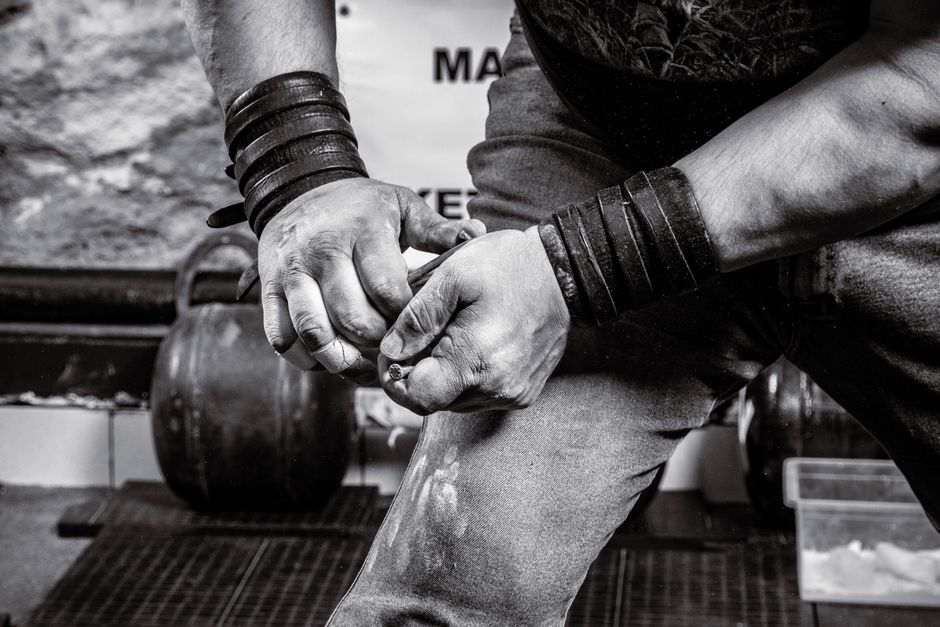
This mechanism creates constant tension throughout the entire range of motion, unlike traditional weights that may have dead spots or momentum-assisted portions. Every single degree of wrist rotation demands muscular effort, making it impossible to cheat or rely on momentum. The result is pure, concentrated muscle activation that targets the forearm flexors, extensors, and intrinsic hand muscles with surgical precision.
Professional-grade wrist roller machines feature robust construction with high-quality bearings that ensure smooth rotation while handling substantial loads. The handle diameter is typically optimized for maximum grip challenge while maintaining safety and control throughout the movement.
Targeted Muscle Groups and Training Benefits
The wrist roller machine delivers comprehensive forearm and grip development through its unique training methodology. Primary muscle groups targeted include the flexor carpi radialis, flexor carpi ulnaris, and the entire complex of finger flexors that control grip strength. Additionally, the wrist extensors work intensively during the lowering phase of the movement.
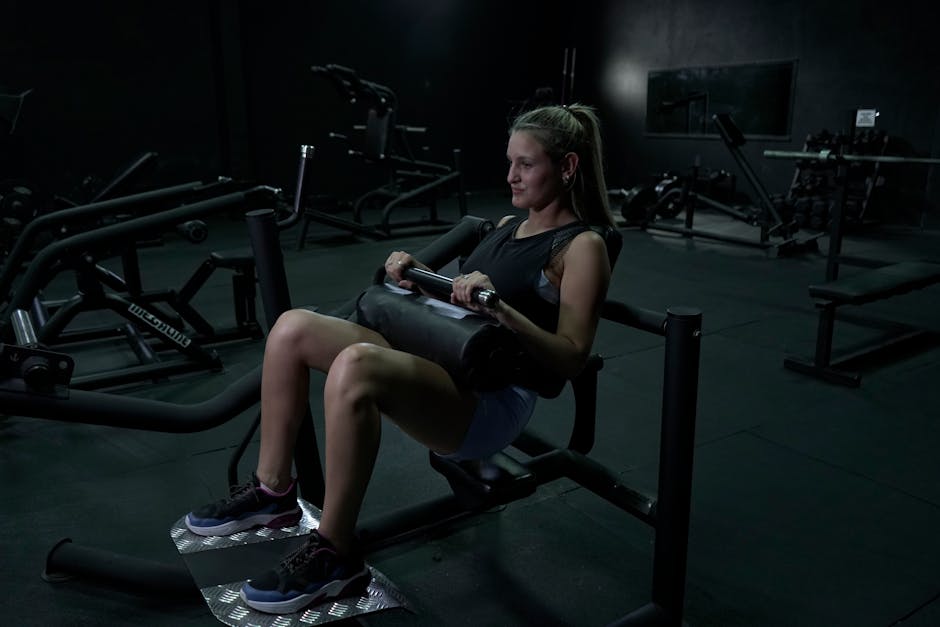
Training benefits extend far beyond mere muscle size. Regular wrist roller training develops:
- Crushing grip strength that translates directly to improved performance in deadlifts, rows, and pulling movements
- Enhanced wrist stability crucial for heavy pressing movements and Olympic lifts
- Improved muscular endurance in the hands and forearms for extended training sessions
- Increased bone density in the forearms through progressive overload stimulation
- Superior muscle definition and vascularity in the forearm region
Research published in the Journal of Strength and Conditioning Research demonstrates that targeted grip strength training significantly improves overall lifting performance and reduces injury risk in competitive athletes.
Advanced Training Techniques and Programming
Serious lifters employ various advanced techniques to maximize wrist roller training effectiveness. The most fundamental approach involves the standard roll-up: gripping the handle with arms extended, slowly rolling the weight upward through controlled wrist flexion, then carefully lowering under control.

Advanced practitioners utilize several high-intensity techniques:
- Reverse rolls: Emphasizing the eccentric lowering phase for maximum muscle damage and growth stimulus
- Partial range training: Focusing on specific ranges of motion to address weak points
- Isometric holds: Maintaining static contractions at various points in the range of motion
- Drop sets: Reducing weight mid-set to extend training beyond normal failure points
- Time under tension protocols: Manipulating rep tempo to maximize metabolic stress
Programming should follow progressive overload principles, gradually increasing weight, repetitions, or training frequency. Beginner protocols might involve 2-3 sets of 1-2 complete roll-ups, while advanced athletes may perform multiple sets with significant additional weight or extended time under tension.
Equipment Selection and Quality Considerations
Not all wrist roller machines are created equal. Professional-quality equipment designed for serious training demands differs dramatically from recreational-grade alternatives. Key factors separating elite equipment include:
Construction quality forms the foundation of effective training equipment. Premium wrist rollers feature heavy-duty steel construction, precision-machined components, and industrial-grade bearings that maintain smooth operation under extreme loads. The handle material and diameter directly impact grip challenge and comfort during extended training sessions.
Weight capacity determines long-term training potential. Serious lifters require equipment capable of handling substantial loads as strength develops. Quality machines accommodate 100+ pounds or more, ensuring years of progressive training potential.
Versatility and adjustability separate good equipment from great equipment. The best wrist roller machines offer multiple grip positions, adjustable rope lengths, and compatibility with various weight loading systems.
According to research from the American College of Sports Medicine, equipment quality significantly impacts training consistency and long-term adherence to strength training programs.
Integration with Comprehensive Training Programs
The wrist roller machine serves as a powerful complement to comprehensive strength training programs rather than a standalone solution. Smart integration maximizes training benefits while avoiding overuse injuries.
For powerlifters and strongmen, wrist roller training directly supports competition lifts by developing the grip strength necessary for maximum deadlift performance and improved pressing stability. Training frequency of 2-3 sessions per week typically provides optimal stimulus without interfering with primary lift recovery.
Bodybuilders benefit from the incredible muscle definition and vascularity that intensive forearm training provides. The constant tension nature of wrist roller training creates exceptional muscle pump and metabolic stress, key drivers of hypertrophy.
Athletes from sports requiring grip strength—including rock climbing, martial arts, and gymnastics—find wrist roller training invaluable for sport-specific strength development. The functional strength carryover to real-world activities makes this training particularly valuable.
Research from the National Strength and Conditioning Association emphasizes the importance of grip strength training for athletic performance across multiple sports disciplines.
Safety Considerations and Injury Prevention
Like any intense training modality, wrist roller training demands respect for proper technique and progressive loading. The concentrated nature of the muscle activation can lead to rapid strength gains but also increased injury risk if approached carelessly.
Proper warm-up becomes critical before intensive wrist roller sessions. Light wrist circles, finger flexion/extension, and graduated loading prepare the small muscles and connective tissues for maximum effort training.
Technique precision cannot be compromised for ego lifting. Maintaining controlled movement throughout the entire range of motion ensures maximum muscle activation while minimizing injury risk. Explosive or jerky movements shift stress to vulnerable joint structures rather than target muscles.
Progressive loading allows connective tissues to adapt alongside muscle strength. Tendons and ligaments adapt more slowly than muscle tissue, making gradual progression essential for long-term training success.
Recovery considerations include adequate rest between sessions, proper nutrition to support tissue repair, and attention to early warning signs of overuse such as persistent soreness or decreased grip strength in daily activities.
Conclusion
The wrist roller machine stands as an indispensable tool for serious lifters who refuse to accept weakness in any form. Its unique combination of constant tension, progressive overload potential, and comprehensive forearm development makes it invaluable for anyone pursuing maximum strength and muscle development. When integrated intelligently into a comprehensive training program and executed with proper technique, the wrist roller machine transforms weak grip into crushing strength and ordinary forearms into impressive displays of muscular power. For those who demand excellence from themselves and their equipment, the wrist roller machine represents an essential investment in training supremacy.
