

Heavy Duty Weightlifting Accessories
When you're pushing your limits in the gym, standard equipment just doesn't cut it. Heavy duty weightlifting accessories are the difference between grinding out mediocre workouts and achieving the kind of muscle-building intensity that transforms your physique. These aren't just tools—they're weapons in the war for more strength, more mass, and more results. Every serious lifter, bodybuilder, and athlete knows that the quality of your gear directly impacts the quality of your gains.
The right accessories amplify your training capacity, protect your body from injury, and enable you to push past plateaus that would otherwise stop your progress. Whether you're a seasoned competitor or an ambitious beginner who refuses to settle for less, understanding which heavy duty accessories deserve a place in your arsenal is essential for maximizing every bloody rep.
Why Heavy Duty Matters More Than You Think
The distinction between standard gym equipment and heavy duty weightlifting accessories isn't just marketing hype—it's engineering reality. Heavy duty gear is built with thicker materials, reinforced stress points, and professional-grade components that withstand thousands of high-intensity repetitions without degrading. When you're deadlifting, squatting, or pulling serious weight, equipment failure isn't just inconvenient—it's dangerous.
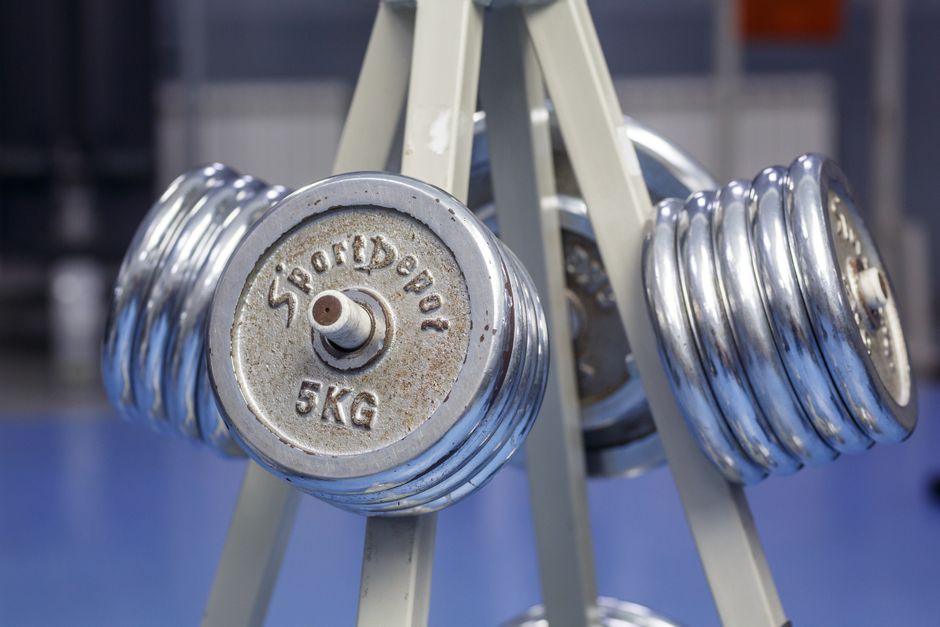
Standard accessories are designed for the casual gym-goer who might train a few times a week with moderate intensity. Heavy duty equipment is purpose-built for athletes who train like their results matter, because they do. The welds are stronger, the cables are thicker, the grips are more aggressive, and the load capacity is significantly higher. According to CDC physical activity guidelines, adults should engage in muscle-strengthening activities of moderate or greater intensity on two or more days per week—but serious lifters know that "moderate intensity" is just the starting point.
When your training philosophy demands no less than excess from yourself, your equipment needs to match that commitment. Cheap accessories fail at critical moments, cause inconsistent resistance, and compromise your form. Heavy duty gear delivers reliable performance rep after rep, set after set, year after year.
Essential Heavy Duty Cable Machine Attachments
Cable machine attachments are the unsung heroes of muscle isolation and targeted development. While barbells and dumbbells get all the glory, cable attachments provide constant tension throughout the entire range of motion—a unique stimulus that triggers growth in ways free weights can't replicate.

Heavy duty cable attachments feature solid steel construction, rotating mechanisms that prevent cable twist, and ergonomic designs that maximize muscle engagement while minimizing joint stress. The difference becomes obvious when you're grinding through the final reps of a high-volume training session. Standard attachments dig into your hands, rotate awkwardly, or flex under load. Professional-grade attachments become extensions of your body, allowing you to focus entirely on the muscle you're targeting.
Tricep rope attachments with reinforced end caps prevent fraying and provide secure grip even with sweaty hands. Straight bars and curl bars manufactured from solid steel rather than hollow tubing eliminate the flex that compromises form during heavy pulls. Wide grip lat pulldown bars with knurled grips ensure your back gives out before your grip does. These details matter when you're chasing progressive overload week after week.
For bodybuilders focusing on symmetry and definition, cable attachments enable the kind of precise, controlled movements that sculpt muscle. For powerlifters and functional athletes, they provide accessory work that strengthens stabilizers and addresses weak points without the fatigue of additional compound lifts. The ACE Fitness exercise library demonstrates countless cable exercises that become significantly more effective with proper equipment.
Single Handle and Specialized Attachments
Single handle attachments unlock unilateral training—the secret weapon for correcting strength imbalances and forcing each side of your body to work independently. A heavy duty single handle with a rotating carabiner allows for smooth, natural movement patterns during single-arm rows, chest flyes, and rotational exercises. The rotating mechanism is critical; without it, the cable twists and creates uneven resistance that can lead to injury.
Specialized attachments like rotating curl bars, multi-grip handles, and tricep V-bars provide angle variations that target different muscle fiber populations. This variety isn't luxury—it's necessity for complete muscular development. Muscles adapt to repetitive stress patterns, so varying your grip angles and attachment styles forces continued adaptation and growth.
Lifting Straps, Wraps, and Support Gear
Your grip will fail before your back does on heavy deadlifts. Your wrists will buckle before your chest fails on maximum effort bench presses. Your knees will wobble before your quads give out on deep squats. This is where heavy duty support accessories prove their worth—they remove limiting factors so your target muscles can be trained to genuine failure.

Heavy duty lifting straps made from thick, reinforced cotton or nylon webbing distribute load across your entire hand and wrist, allowing you to pull weights that would otherwise be impossible. This isn't cheating—it's strategic training. When your goal is back development, you need your lats to be the limiting factor, not your grip strength. Save grip training for dedicated grip work with specialized tools.
Wrist wraps provide rigid support during pressing movements, preventing hyperextension and allowing you to channel maximum force through stable joints. Knee wraps or sleeves provide proprioceptive feedback and warmth that enhances performance and reduces injury risk during squats and leg training. The key is choosing heavy duty versions that provide genuine support rather than flimsy fabric that stretches out after a few sessions.
Professional-grade lifting belts constructed from thick leather or reinforced nylon create intra-abdominal pressure that stabilizes your spine during heavy compound lifts. A quality belt is an investment that protects your back for years of brutal training. According to NHS exercise guidance, proper equipment and form are essential for safe, effective strength training.
Selecting the Right Heavy Duty Accessories for Your Training Style
Different training methodologies demand different equipment priorities. Powerlifters need maximum support gear—belts, wraps, and specialty bars that allow them to move maximum weight safely. Bodybuilders require diverse cable attachments and moderate support gear that facilitates high-volume training with optimal muscle engagement. CrossFit athletes and functional fitness enthusiasts need versatile, durable equipment that withstands varied, high-intensity workouts.
Start by identifying your weak points and training bottlenecks. If your grip fails during back training, prioritize heavy duty lifting straps. If cable exercises feel awkward or inconsistent, upgrade your attachment collection. If joint discomfort limits your pressing or squatting, invest in quality wraps and support gear. Build your accessory arsenal strategically based on your specific goals and limitations.
Quality over quantity is the rule. Three exceptional heavy duty attachments will serve you better than a dozen mediocre options. Look for solid construction, smooth rotating mechanisms, comfortable yet aggressive grip textures, and weight capacities that exceed your current strength levels with room to grow. Equipment should be the last thing that limits your progress.
Maintaining Your Heavy Duty Equipment for Longevity
Even the toughest equipment requires basic maintenance to deliver years of reliable performance. Inspect cable attachments regularly for signs of wear, particularly at connection points and rotating mechanisms. Clean grips and handles to remove chalk, sweat, and debris that can degrade materials over time. Lubricate rotating parts periodically to ensure smooth operation.
Store lifting straps, wraps, and belts properly rather than leaving them wadded in your gym bag. Hang them or lay them flat to maintain their shape and integrity. Leather belts benefit from occasional conditioning to prevent cracking. Fabric wraps should be washed regularly to prevent bacterial buildup and material degradation from accumulated sweat.
Check carabiners and connection points before every heavy session. A failed connection during a maximum effort set can cause serious injury. Replace any component showing significant wear before failure occurs. Quality heavy duty accessories are designed for longevity, but no equipment lasts forever under intense, repeated stress.
Conclusion: Arm Yourself for the War for More
Heavy duty weightlifting accessories aren't optional extras—they're essential tools that determine whether you'll achieve the extraordinary results you're chasing or settle for mediocrity. Every serious athlete, bodybuilder, and lifter who refuses to accept anything less than excess from their training needs equipment that matches their commitment. Standard gear fails when it matters most. Heavy duty accessories deliver consistent, reliable performance that enables you to push past limits and extract maximum gains from every drop of sweat and every moment of pain.
LPGmuscle designs and builds the kind of seriously legit gym cable attachments and weightlifting gear that lifters actually need—not gimmicks, not compromises, but purpose-engineered equipment built to win the war for more. One bloody rep at a time. Because training like lame workouts are a crime requires arming yourself with weapons worthy of the battle. Your results aren't determined by luck or genetics alone—they're built with intelligent programming, relentless effort, and equipment that refuses to be the weak link in your chain of progress.
