

Barbell Row Attachment: Complete Guide 2026
The barbell row stands as one of the most effective exercises for building a thick, powerful back. But what if you could replicate—or even enhance—this fundamental movement using cable machines? Enter the barbell row attachment, a specialized piece of equipment that's revolutionizing how serious lifters approach back training. Whether you're a bodybuilder chasing width and thickness, an athlete building functional strength, or a gym owner looking to expand your facility's capabilities, understanding barbell row attachments can transform your training arsenal.
What Is a Barbell Row Attachment
A barbell row attachment is a cable machine accessory designed to mimic the hand positioning and biomechanics of traditional barbell rows while utilizing the constant tension provided by cable systems. Unlike standard straight bars or ez-curl bars, these specialized attachments are engineered specifically for rowing movements, featuring optimal grip width, ergonomic handles, and angles that maximize lat, rhomboid, and trapezius engagement.
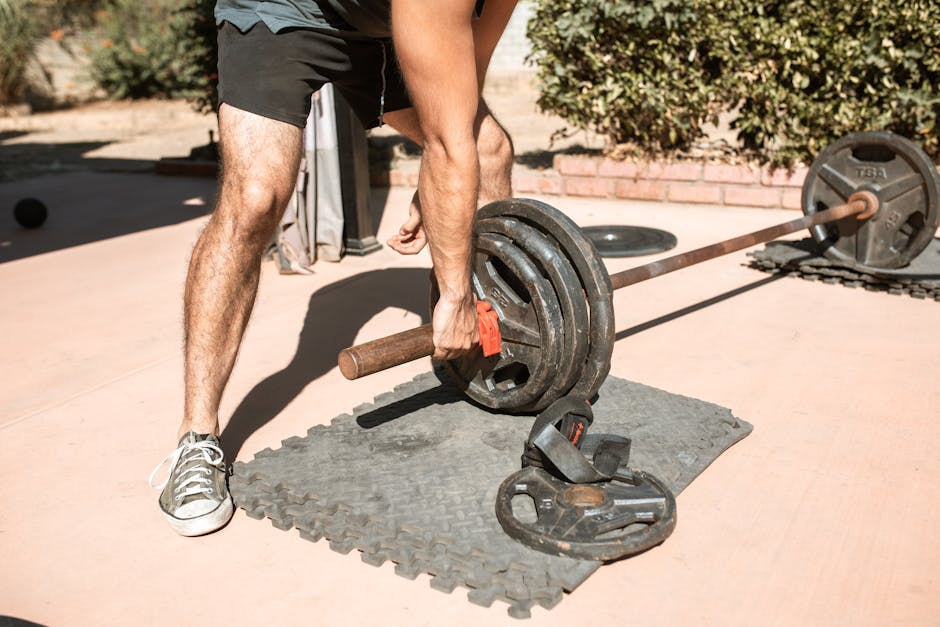
The primary advantage lies in the unique resistance profile. While free-weight barbell rows experience varying tension throughout the range of motion—with peak load at the bottom and reduced tension at the top—cable-based barbell row attachments maintain consistent tension throughout the entire movement. This constant resistance keeps your muscles under continuous load, potentially increasing time under tension and metabolic stress, two key drivers of hypertrophy.
High-performance barbell row attachments from companies like LPGmuscle take this concept further with purpose-built designs that address common weaknesses in standard cable bars. These aren't your average gym attachments—they're precision tools engineered by lifters who understand that gear quality directly impacts training results.
Benefits of Using a Barbell Row Attachment
The advantages of incorporating barbell row attachments into your training program extend far beyond simple variety. Here's what separates this equipment from conventional approaches:

- Constant tension throughout the movement: Unlike free weights where gravity dictates resistance angles, cables provide unrelenting tension from start to finish, eliminating "dead spots" in the range of motion.
- Reduced lower back stress: Cable rows allow for more upright torso positioning compared to bent-over barbell rows, which can significantly reduce compressive forces on the lumbar spine—particularly valuable during high-volume training phases or when managing minor back issues.
- Enhanced mind-muscle connection: The smoother resistance curve of cables often makes it easier to focus on contracting target muscles rather than simply moving weight from point A to point B.
- Versatile positioning options: Attach to low pulleys, mid pulleys, or even high positions to target different areas of your back musculature with the same attachment.
- Progressive overload precision: Cable machines typically offer smaller weight increments than loading plates on a barbell, enabling more granular progression—critical for intermediate and advanced lifters.
- Unilateral training capability: Many barbell row attachments can be gripped offset or single-armed to address strength imbalances.
According to the ACE Fitness exercise library, rowing movements are foundational for developing the posterior chain muscles essential for posture, athletic performance, and injury prevention. The CDC's physical activity guidelines recommend muscle-strengthening activities at least twice weekly for optimal health outcomes—making efficient, joint-friendly equipment choices like quality barbell row attachments particularly valuable.
Proper Technique and Form Tips
Even the most sophisticated equipment delivers suboptimal results without proper execution. Here's how to maximize your barbell row attachment training:

Setup and positioning: Begin by setting the cable pulley to a low position, approximately 6-12 inches from the floor. Attach your barbell row attachment securely, checking that all connections are tight. Position yourself 2-3 feet from the machine with feet shoulder-width apart. Your starting posture should feature a slight knee bend, hips pushed back, and torso angled between 30-45 degrees from vertical—closer to parallel for more lat emphasis, more upright for mid-back focus.
The pull: Initiate the movement by retracting your shoulder blades, not by yanking with your arms. Think "elbows back and down" rather than "hands to chest." Drive your elbows behind your torso, bringing the attachment toward your lower ribcage or upper abdomen, depending on your torso angle. The key is maintaining a stable spine position throughout—no jerking, bouncing, or excessive torso movement.
The squeeze: At peak contraction, pause for a full second while actively squeezing your shoulder blades together. This isometric hold dramatically increases muscle fiber recruitment and is often the difference between merely completing reps and building serious back thickness.
The return: Control the negative portion, taking 2-3 seconds to return to the starting position. Resist the temptation to let the weight stack crash—the eccentric phase is where significant muscle damage (the good kind that drives growth) occurs. Fully extend your arms while maintaining that slight forward torso lean, allowing a complete stretch of the lats before initiating the next rep.
Common mistakes to avoid: Excessive momentum, rounded spine positioning, using primarily biceps instead of back muscles, insufficient range of motion, and inconsistent tempo. Remember: controlled reps with appropriate weight always trump heavy loads with compromised form.
Exercise Variations and Programming
One attachment, countless training possibilities. Here's how to incorporate barbell row attachment work across different training goals:
Mass building (hypertrophy): Perform 3-4 sets of 8-12 reps with moderate weight, emphasizing the squeeze and controlling the eccentric. Rest 60-90 seconds between sets. Position your torso around 45 degrees and pull to your lower chest/upper abdomen for balanced back development.
Strength development: Execute 4-5 sets of 4-6 reps with heavier loads, maintaining strict form. Rest 2-3 minutes between sets. While cables aren't traditionally considered primary strength builders, they provide excellent accessory work that supports your barbell rowing strength.
Endurance and conditioning: Try 2-3 sets of 15-25 reps with lighter resistance and minimal rest (30-45 seconds). This approach works exceptionally well in circuit training or metabolic conditioning blocks.
Variations to try:
- Wide grip rows: Target the upper back and rear delts by using a wider hand position
- Close grip rows: Emphasize the lats and mid-back with hands closer together
- Single-arm rows: Address imbalances and increase core stabilization demands
- Paused rows: Add 2-3 second pauses at peak contraction for enhanced time under tension
- 1.5 rep rows: Pull fully, lower halfway, pull again, then lower completely—brutal but effective
The NHS exercise guidance emphasizes the importance of progressive resistance training for maintaining muscle mass and bone density across all age groups, making strategic programming with quality equipment a health investment, not just an aesthetic pursuit.
Choosing the Right Barbell Row Attachment
Not all barbell row attachments are created equal. Here's what separates equipment that extracts maximum gains from cheap alternatives that compromise your training:
Build quality and materials: Look for solid steel construction, not hollow tubing that flexes under heavy loads. Quality attachments feature robust welds, corrosion-resistant finishes, and components rated for commercial gym abuse. If it feels flimsy in your hands, it'll feel worse under 200+ pounds of resistance.
Grip design: The handles should feature knurling or textured surfaces that provide secure grip without destroying your hands. Diameter matters too—grips that are too thick or thin compromise your ability to maintain proper wrist alignment and maximize force production. Premium designs like those from LPGmuscle optimize handle diameter based on biomechanical research and real-world testing by serious lifters.
Grip width and angles: The distance between handles should accommodate various grip widths without requiring multiple attachments. Angled grips (often called "semi-pronated" or "neutral" positions) reduce forearm and wrist stress while potentially improving back activation for many lifters.
Connection hardware: The carabiner or clip system must be bomber-proof. Inferior attachment points create dangerous failure points and limit the loads you can safely use. Industrial-grade carabiners with screw-lock gates are non-negotiable for serious training.
Weight capacity: Your attachment should handle significantly more than you currently lift. A 500+ pound rating ensures you won't outgrow the equipment as you progress and provides a safety margin that prevents catastrophic failure.
Warranty and reputation: Companies that stand behind their products with substantial warranties demonstrate confidence in their construction. Research user reviews from actual lifters, not casual gym-goers—the people pushing serious weight reveal whether equipment holds up under real-world conditions.
Maintenance and Longevity
Quality barbell row attachments should last decades with minimal maintenance, but a few simple practices ensure optimal performance:
Wipe down attachments after heavy use to remove sweat, chalk, and hand oils that can degrade finishes and promote corrosion. For serious lifters training in humid environments or sweating profusely, this simple habit prevents premature wear. Periodically inspect all connection points, welds, and moving parts for signs of stress or damage. Address minor issues immediately before they become safety hazards.
If your attachment features rotating components, apply a light coating of appropriate lubricant every few months to maintain smooth operation. Avoid storing attachments in contact with other equipment where they can get scratched or damaged. A simple wall-mounted rack keeps everything organized and protected.
When you invest in purpose-built equipment from manufacturers like LPGmuscle—companies that design gear for lifters who demand excellence—proper maintenance ensures your attachments remain performance-ready for decades, making them among the highest-value investments in your training arsenal.
Conclusion
The barbell row attachment represents far more than another piece of gym hardware—it's a precision tool that bridges the gap between traditional free weights and modern cable training. By delivering constant tension, reducing injury risk, and offering programming versatility that free weights can't match, quality barbell row attachments earn their place in any serious lifter's routine.
Whether you're building your home gym, upgrading a commercial facility, or simply tired of settling for generic equipment that undermines your training potential, choosing purpose-engineered attachments makes a measurable difference. Because in the war for more muscle, more strength, and more performance, your equipment is either your ally or your limitation.
Arm yourself accordingly. Train with intention. Build the back you've earned, one bloody rep at a time.
