

Cable Exercise Handles and Grips Guide
Cable machine training offers unmatched versatility and constant tension throughout every movement, making it an essential component of any serious strength program. The secret to maximizing these benefits lies not in the machine itself, but in the handles and grips you attach to those cables. From triceps ropes to specialty bars, the right attachment transforms a simple cable station into a complete muscle-building arsenal. For those looking to optimize their setup, exploring Gym Pulley System Accessories Guide can provide valuable insights.
According to the CDC's physical activity guidelines, adults should engage in muscle-strengthening activities involving all major muscle groups at least twice weekly. Cable exercises with proper attachments make this goal achievable by targeting specific muscle groups with precision and control.
Understanding Cable Attachment Types and Their Applications
The cable machine ecosystem includes dozens of specialized handles and grips, each engineered for specific movement patterns and muscle groups. Standard straight bars excel at triceps pushdowns and lat pulldowns, while high-performance triceps ropes enable natural wrist rotation and deeper muscle activation during extensions. To further enhance your training, consider reviewing Unique Gym Machine Attachments for Lifters.
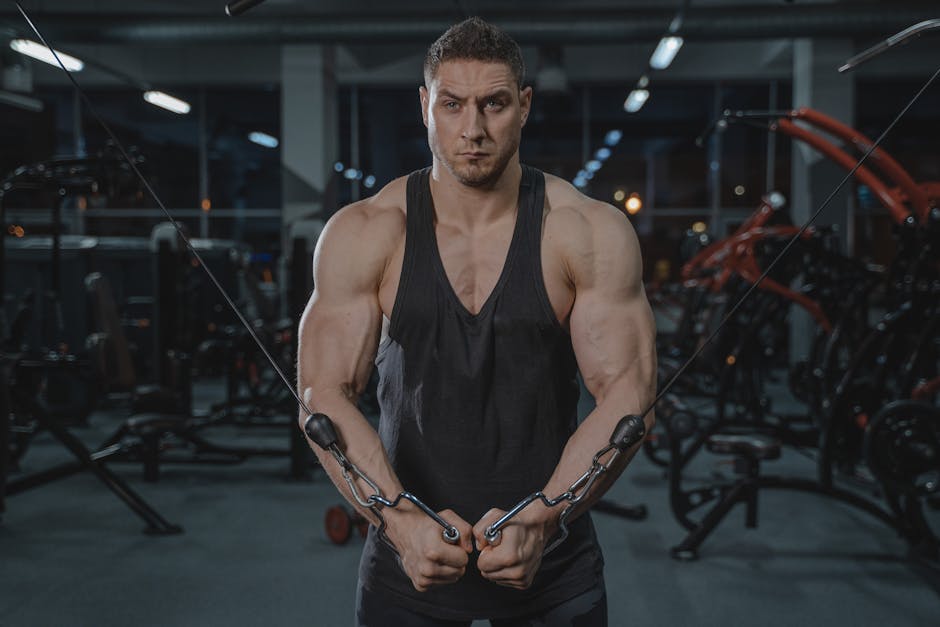
V-bars and angled handles reduce wrist strain during pressing movements, critical for lifters managing joint stress. D-handles provide single-arm isolation for unilateral work, addressing muscle imbalances that plague even experienced athletes. Meanwhile, modular systems like the Pull Force Mainbeam with ball slides offer customizable grip widths for multiple exercises without switching attachments.
Specialty attachments expand training possibilities exponentially. Rotating handles eliminate torque buildup, strap-based systems like the DELT-BELT Handle Straps provide unique angles for shoulder and core work, and thick-grip attachments challenge forearm strength while distributing load across larger contact areas.
Grip Width and Hand Position Impact on Muscle Recruitment
Grip width dramatically alters muscle activation patterns during cable exercises. Wide-grip pulldowns emphasize the latissimus dorsi's outer sweep, while close-grip variations shift focus to the middle back and lower lats. Bodybuilders exploit this principle to sculpt specific areas, while strength athletes use varied grips to eliminate weak points.

Hand position matters equally. Pronated grips (palms down) during rows recruit more upper back musculature, supinated grips (palms up) increase biceps involvement, and neutral grips (palms facing) often prove most comfortable for high-volume training while distributing stress across multiple muscle groups.
The ACE Fitness exercise library documents how subtle grip modifications transform exercise stimulus. Research confirms that systematic variation prevents adaptation plateaus and promotes continued progress.
Material Quality and Construction Standards That Matter
Serious lifters demand attachments built to withstand punishment. Industrial-grade steel construction ensures longevity under heavy loads, while precision welding eliminates failure points that plague cheaper alternatives. Chrome plating or powder coating prevents corrosion from sweat and humidity, maintaining both aesthetics and structural integrity.

Bearing quality separates elite equipment from mediocre alternatives. Sealed ball bearings in rotating attachments provide smooth movement through full ranges of motion, reducing friction that causes premature wear and uncomfortable sticking points during reps. Cheap bushings create jerky rotation that disrupts lifting rhythm and accelerates component degradation.
Grip surfaces require equal attention. Knurling depth affects both comfort and security—aggressive patterns provide superior traction but may cause discomfort during high-rep sets, while smooth finishes slip when hands sweat. Textured rubber or specialized coatings offer compromise solutions, delivering grip security without excessive abrasion. For a comprehensive overview of top-tier options, check out our guide on Premium Weightlifting Gear for Athletes.
Weight Capacity and Safety Considerations
Every attachment carries load ratings that responsible lifters never exceed. Quality manufacturers specify maximum weight capacities based on rigorous testing, accounting for dynamic forces generated during explosive movements. Bodyweight plus stack weight during exercises like triceps pushdowns can exceed 400 pounds, demanding attachments engineered for serious abuse.
Swivel and carabiner quality directly impacts safety. Weak connection points constitute single points of failure that can cause catastrophic equipment collapse mid-set. Industrial-rated components with appropriate safety margins protect lifters from injury while maintaining performance under maximal loads.
Specialized Attachments for Advanced Training Techniques
Advanced lifters leverage specialized attachments to extract maximum gains from every session. Thick-grip handles like the HOG LEGS Jawbone fat grips force greater forearm activation, building crushing grip strength that transfers to every pulling movement. This approach aligns with NHS exercise guidance emphasizing functional strength development.
Rope attachments deserve particular attention. Standard ropes work adequately, but performance-engineered options provide substantial advantages. Dense, tightly-wound construction resists fraying and maintains shape under load, while optimal diameter balances grip comfort with hand size accommodation. Length variations enable different exercise applications—shorter ropes suit triceps work, while extended versions facilitate ab exercises and face pulls.
Multi-function attachments maximize training efficiency and value. Modular systems adapt to various exercises without storage hassles or mid-workout equipment swaps. This versatility proves essential for home gyms with limited space and commercial facilities serving diverse clientele. For more specialized options, explore Weightlifting Handles for Cable Machines.
Maintenance and Longevity of Cable Attachments
Proper maintenance extends attachment lifespan indefinitely. Regular cleaning removes sweat, chalk, and grime that accelerate corrosion and bearing degradation. Periodic inspection identifies worn components before failure occurs, preventing dangerous mid-set breakage and costly replacement.
Rotating components benefit from occasional lubrication with appropriate products. Light machine oil or specialized bearing grease maintains smooth operation and prevents moisture intrusion. Avoid petroleum-based products on rubber grips, as these degrade material integrity over time.
Storage practices matter more than most realize. Hanging attachments prevents deformation from stacking weight, while climate-controlled environments minimize humidity exposure that causes rust. These simple habits preserve equipment investments for decades rather than years.
Matching Attachments to Training Goals and Experience Levels
Beginners benefit from standard attachment selections covering fundamental movement patterns—straight bars, basic ropes, and simple handles provide sufficient variety while minimizing decision paralysis. As technique improves and training becomes more sophisticated, specialized attachments address specific needs and break through plateaus.
Bodybuilders require extensive attachment arsenals supporting muscle isolation and varied angles. Powerlifters focus on attachments reinforcing competition lifts and addressing weak points. Athletes prioritize functional patterns matching sport demands. Each population benefits from purpose-built equipment rather than generic alternatives.
Personal trainers and facility owners face unique considerations. Durable construction justifies higher initial costs through extended service life and reduced replacement frequency. Versatile attachments serve multiple clients with different needs, maximizing utility per dollar invested while maintaining professional standards.
Conclusion
Cable exercise handles and grips represent the critical interface between lifter and machine, directly influencing exercise effectiveness, injury prevention, and long-term progress. Quality attachments built from superior materials with thoughtful engineering transform cable stations from basic equipment into precision muscle-building tools. Whether you're a competitive bodybuilder chasing symmetry, a strength athlete eliminating weak points, or a dedicated lifter refusing to compromise on training quality, investing in purpose-built attachments delivers returns measured in strength, size, and sustained progress. The handles you grip determine the gains you earn—choose equipment designed by lifters who understand that mediocrity has no place in the war for more.
