

Durable Cable Machine Handles for Serious Lifters
When you're pushing through those final reps, fighting for every inch of muscle growth, the last thing you need is gear that fails you. Durable cable machine handles aren't just accessories—they're essential tools that can make or break your workout intensity. Whether you're a bodybuilder chasing hypertrophy, an athlete building functional strength, or a gym owner investing in equipment that lasts, understanding what separates premium handles from cheap imitations is crucial for maximizing your training potential.
Cable machines form the backbone of resistance training in commercial and home gyms alike. According to the CDC's physical activity guidelines, strength training exercises should be performed at least twice weekly for optimal health benefits. With that kind of consistent use, your cable attachments need to withstand thousands of reps without compromising grip, comfort, or structural integrity.
Why Handle Durability Matters More Than You Think
Cheap cable handles create a cascade of problems that extend far beyond simple equipment failure. When handles bend, rotate unexpectedly, or develop sharp edges from wear, they compromise your form and focus. That split-second distraction when a handle slips can mean the difference between perfect muscle engagement and wasted effort—or worse, injury.

Durable construction ensures consistent performance across every exercise variation. From tricep pushdowns to face pulls, from bicep curls to lat pulldowns, reliable handles let you concentrate on what matters: contracting the target muscle, controlling the eccentric phase, and pushing past your previous limits. When your equipment becomes an afterthought rather than a concern, that's when real progress happens.
For gym owners, durability translates directly to return on investment. Premium handles that survive years of heavy commercial use eliminate the constant replacement cycle that drains budgets and frustrates members. Athletes and serious lifters recognize quality equipment, and it shapes their perception of your facility's commitment to their success.
Construction Materials That Withstand the War for More
The foundation of any durable cable handle starts with material selection. Aircraft-grade aluminum, hardened steel, and military-spec components aren't marketing buzzwords—they're the difference between handles that bend under load and those that maintain structural integrity through decades of punishment.
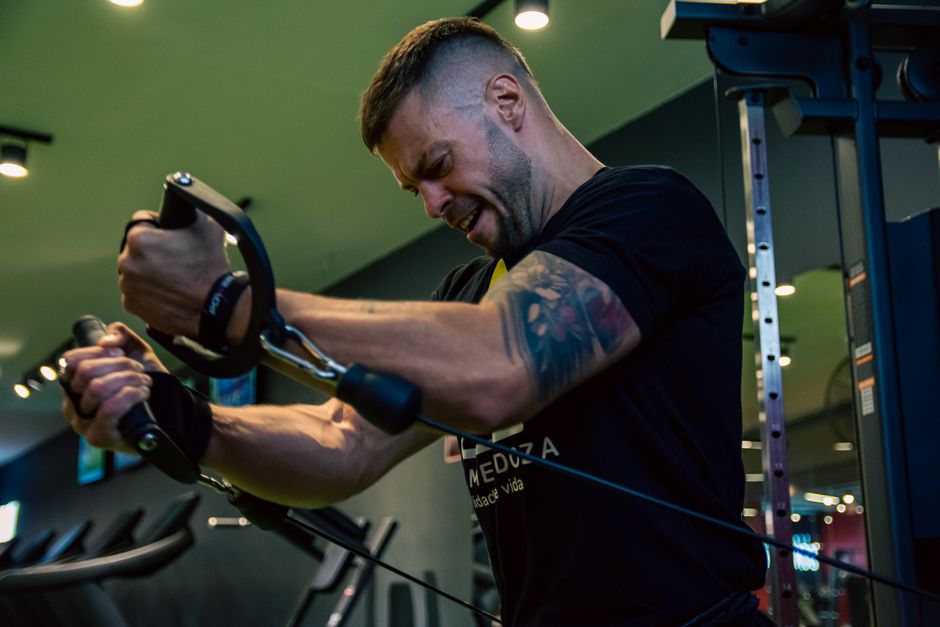
Premium handles feature solid steel cores that resist bending and twisting forces generated during heavy compound movements. The outer grip material must balance durability with comfort; industrial-grade rubber and textured coatings provide secure purchase without degrading from sweat, chalk, or repeated friction. Inferior foam grips compress and tear within months, while quality materials maintain their shape and texture through years of aggressive use.
Connection points deserve special attention. Welded joints, reinforced pivot points, and heavy-duty carabiners or snap hooks ensure the handle stays attached to the cable system under maximum load. These components face tremendous stress during exercises like rope climbs, heavy rows, and explosive movements. Any weakness in the connection chain creates a catastrophic failure point.
Weight ratings matter significantly. Handles engineered for commercial applications should comfortably exceed the maximum weight stack capacity of standard cable machines, with safety margins built in for dynamic loading and impact forces that occur during intense training sessions.
Grip Design and Ergonomic Considerations
Durability means nothing if the handle causes hand fatigue or pain that limits your rep count before your muscles fail. Ergonomic design considers grip diameter, knurling depth, rotation points, and hand positioning options to optimize both comfort and control across different exercises and user sizes.

Rotating handles reduce wrist strain during exercises requiring natural forearm supination and pronation. Quality rotation mechanisms use sealed bearings that spin smoothly under load without developing play or grinding that indicates wear. Cheap rotating attachments often lock up or wobble, defeating their purpose and creating frustration.
Grip thickness affects muscle recruitment patterns. Thicker handles increase forearm and grip strength demands, while standard diameters allow maximum focus on primary movers. Versatile handle designs accommodate different grip widths, enabling neutral, pronated, and supinated positions for comprehensive muscle development according to ACE Fitness exercise recommendations.
Textured surfaces maintain traction when hands are slick with sweat. Strategic knurling, dimpled patterns, or rubberized coatings prevent slippage without tearing up palms during high-rep sessions. The balance between grip security and comfort separates thoughtfully designed equipment from generic alternatives.
Maintenance and Longevity Practices
Even the most durable cable handles benefit from basic maintenance practices that extend their functional lifespan. Regular inspection catches potential issues before they become problems—checking for stress cracks, worn components, loose connections, and grip degradation should be routine for serious lifters and essential for commercial facilities.
Cleaning removes corrosive sweat, chalk buildup, and environmental contaminants that accelerate wear. Simple wipes with appropriate cleaners preserve grip materials and metal surfaces without causing damage. For commercial gyms, establishing cleaning protocols maintains hygiene standards while protecting equipment investments.
Lubrication of rotating components keeps bearings spinning freely and prevents premature wear. Food-grade lubricants safe for gym environments should be applied according to usage intensity—weekly for heavy commercial use, monthly for personal training spaces.
Proper storage prevents unnecessary damage. Hanging handles on designated racks or hooks rather than leaving them on the floor reduces impact damage, tangling, and premature wear. Organized storage also improves gym flow and member experience by keeping attachments accessible and in good condition.
For home gym enthusiasts following NHS exercise guidance, quality handles represent a one-time investment that serves your training needs for years. The cost difference between premium and budget options disappears over time when factoring in replacement frequency and the value of uninterrupted training progress.
Specialized Handles for Specific Training Demands
Durable construction becomes even more critical when handles serve specialized functions. Rope attachments for tricep work endure tremendous friction as the rope passes through anchor points. Premium ropes feature reinforced cores and abrasion-resistant exteriors that maintain integrity through thousands of pressing movements.
Straight bars for lat pulldowns and pushdowns face significant bending forces during heavy pulls. Solid construction prevents the flexing that creates instability and reduces training effectiveness. The connection point must distribute load evenly to prevent stress concentration that causes premature failure.
Single-handle attachments for unilateral training need robust swivel mechanisms that allow natural movement patterns without binding or creating torque on the wrist. These handles often face more varied loading angles than fixed attachments, demanding superior engineering to maintain function across different exercise applications.
Multi-grip handles offering various hand positions require reinforced structure at each grip point. The additional cutouts and positioning options create potential weak points that only quality materials and thoughtful design overcome. When executed properly, these versatile attachments eliminate the need for multiple single-purpose handles while maintaining the durability expected from specialized equipment.
Investment Value for Different User Types
For bodybuilders and competitive athletes, durable handles ensure consistent training stimulus session after session. Equipment failure during peak training phases derails progression and disrupts periodization plans. Reliable gear removes variables, letting you focus exclusively on performance improvement.
Personal trainers working with diverse clientele need attachments that safely accommodate different strength levels, body sizes, and exercise variations. Durable equipment protects both trainer reputation and client safety while surviving the intensive use patterns of professional training environments.
Gym owners must calculate cost-per-use over equipment lifespan rather than focusing solely on purchase price. Premium cable handles that serve members reliably for five to ten years cost substantially less than replacing cheap alternatives every six to twelve months. Member satisfaction and facility reputation hinge partially on equipment quality and reliability.
Home gym builders creating personal training spaces benefit from handles that grow with their strength and skill development. Starting with quality equipment eliminates the frustration and expense of upgrading as you progress beyond beginner equipment limitations.
Conclusion
Durable cable machine handles represent the intersection of engineering excellence and practical training demands. They're the silent partners in your pursuit of strength, muscle, and athletic performance—working flawlessly so you can focus on what matters: pushing harder, lifting heavier, and achieving the results you demand from yourself. Quality equipment doesn't make excuses and doesn't quit when the weight gets heavy and the reps get hard. It stands ready for the war for more, one bloody rep at a time, supporting your commitment to excellence with the reliability and performance you refuse to compromise on. When you settle for no less than excess from your training, your equipment should meet the same uncompromising standard.
