

Strength Training Handles for Your Gym
In the relentless war for more muscle, more strength, and more gains, your equipment can make or break your progress. Strength training handles for gym cable machines aren't just accessories—they're weapons in your arsenal for dominating every workout. Whether you're a bodybuilder chasing that next level of hypertrophy, a powerlifter building raw strength, or an athlete pursuing peak performance, the handles you grip determine how effectively you transfer force and activate target muscles.
LPGmuscle designs and builds cable machine attachments that refuse to compromise. Purpose-designed by lifters who understand that settling for standard equipment means settling for standard results, these handles are engineered to extract maximum gain from every bloody rep. This comprehensive guide explores everything you need to know about strength training handles, from biomechanics to selection criteria, so you can arm yourself properly for the war ahead.
Why Cable Machine Handles Matter More Than You Think
The connection between your body and the weight stack isn't just metal and rubber—it's the interface where intent becomes action. Standard gym handles often fail because they force your hands, wrists, and joints into compromised positions that limit force production and increase injury risk. When your grip angle is wrong, you're not just losing mechanical advantage; you're recruiting the wrong muscle fibers and leaving gains on the table.
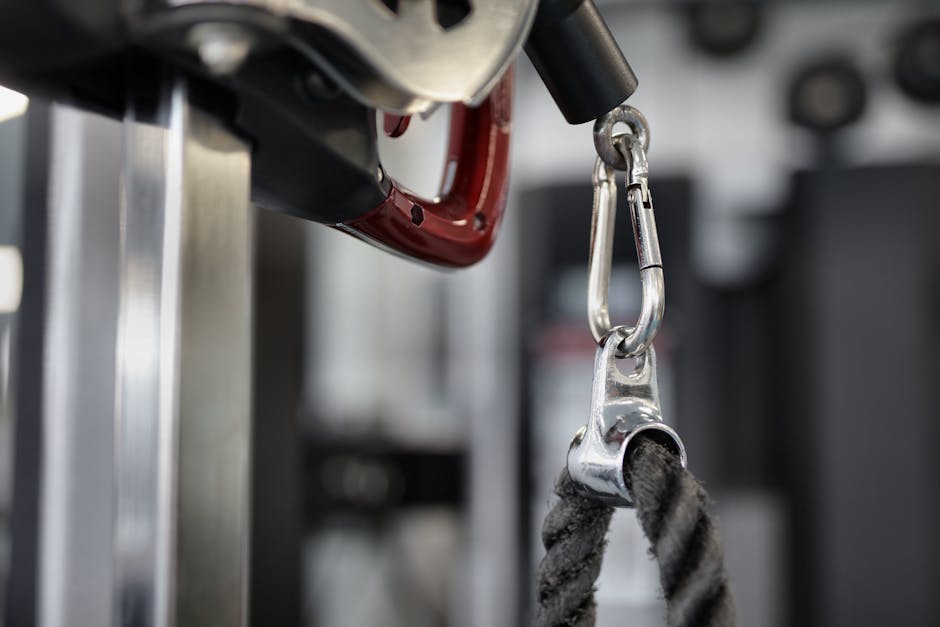
Premium strength training handles address these issues through ergonomic design that respects natural biomechanics. The right handle allows your wrist to maintain neutral alignment during presses, pulls, and curls, which means better force transfer from your core to the cable. This translates directly into more productive muscle contractions and reduced stress on vulnerable joints like elbows and shoulders.
According to ACE Fitness exercise guidelines, proper equipment selection and form are fundamental to safe, effective resistance training. The handles you choose influence your form more than most lifters realize, making them a critical variable in long-term progress and injury prevention.
Types of Handles and Their Strategic Applications
Different training goals demand different tools. Understanding which handle serves which purpose allows you to program your workouts with precision.

Straight Bar Attachments remain fundamental for bilateral exercises like tricep pushdowns, lat pulldowns, and cable curls. They allow both arms to work simultaneously, building coordinated strength and enabling heavier loads. The key is finding bars with proper knurling for secure grip and appropriate length for your frame and exercise selection.
Rotating Handles represent an evolution in cable training technology. By allowing natural pronation and supination during movement, rotating handles reduce wrist strain while maximizing muscle fiber recruitment. They're particularly valuable for rowing variations, curls, and pressing movements where fixed rotation creates unnecessary joint stress.
D-Handles and Single Grips enable unilateral training, which addresses strength imbalances and develops stabilizer muscles that bilateral movements miss. Single-arm cable work forces your core to resist rotation, building functional strength that transfers to athletic performance and everyday movement.
Specialty Attachments like rope handles, V-bars, and EZ-curl bars target specific movement patterns and muscle groups. Rope attachments excel for tricep and face pull variations, allowing your hands to separate at peak contraction for maximum muscle engagement. V-bars create a neutral grip that's shoulder-friendly for pressing and pulling exercises.
Material Quality and Construction Standards
Not all handles are built equal, and cheap equipment reveals its flaws under heavy loads. When you're pushing for that final rep with serious weight, you need handles that won't bend, crack, or fail.

Premium handles use heavy-gauge steel construction with reinforced stress points. Welds should be clean and complete, without gaps or rough spots that indicate rushed manufacturing. Chrome plating or powder coating protects against corrosion from sweat and humidity, ensuring your investment lasts through thousands of brutal workouts.
The grip material deserves equal scrutiny. Industrial-grade rubber or textured steel provides secure purchase even when your hands are slick with sweat. Cheap plastic grips crack and slip, compromising safety and performance. Knurling patterns should be aggressive enough to prevent slipping without shredding your hands.
LPGmuscle builds attachments to commercial gym standards because serious lifters demand equipment that matches their intensity. Every cable attachment is engineered for high-load applications, with materials and construction methods that refuse to fail when you're giving everything you have.
Ergonomics and Biomechanical Advantages
The angle, diameter, and shape of your handles directly affect muscle activation patterns and joint stress. Understanding these relationships helps you select equipment that enhances performance rather than limiting it.
Handle diameter influences grip strength requirements and forearm fatigue. Thicker handles (1.5-2 inches) increase grip demands, building crushing hand strength but potentially limiting reps on high-volume work. Standard diameter handles (1-1.25 inches) allow most lifters to maintain grip throughout complete sets without forearm failure becoming the limiting factor.
Grip angle affects wrist position and subsequent muscle recruitment. Neutral grips (palms facing each other) typically reduce shoulder stress during pressing movements and allow more natural pulling mechanics. Pronated grips (palms down) emphasize different muscle portions than supinated grips (palms up), enabling targeted development through varied hand positions.
According to the CDC's physical activity guidelines, adults should perform muscle-strengthening activities of moderate or greater intensity at least twice weekly. Using equipment that supports proper biomechanics makes these sessions more effective and sustainable over the long term.
Selecting Handles for Your Training Style
Your training philosophy and goals should guide your equipment choices. A powerlifter's needs differ from a bodybuilder's, and both differ from an athlete training for sport performance.
For Bodybuilders: Variety is essential for complete muscle development. Your handle collection should include options for changing grip angles and ranges of motion. Rotating handles allow you to follow natural movement arcs, maximizing muscle stretch and contraction. Specialty bars like cambered attachments create unique stimulus that standard equipment can't replicate.
For Strength Athletes: Heavy-duty construction takes priority. When you're moving serious weight for low reps, your handles must withstand high loads without bending or breaking. Solid steel construction with minimal moving parts reduces failure points. Aggressive knurling ensures secure grip even at maximal efforts.
For Functional Training: Versatility matters most. Handles that accommodate multiple exercise variations give you programming flexibility. Single-grip attachments enable anti-rotation exercises that build core stability. Quick-clip designs allow rapid transitions during circuit training or conditioning work.
Maintenance and Longevity
Quality handles represent an investment that should last years of consistent use. Proper maintenance protects that investment and ensures safe operation.
Regular inspection catches problems before they become dangerous. Check welds and connection points for cracks or deformation. Test rotating components for smooth operation without excessive play. Replace any attachment showing structural damage immediately—no exercise is worth the risk of catastrophic failure mid-set.
Clean your handles after heavy training sessions to remove sweat, chalk, and debris that accelerate corrosion. A simple wipe-down with disinfectant keeps equipment hygienic and extends finish life. Periodically apply light machine oil to rotating parts and cable connection points to maintain smooth operation.
Store handles properly when not in use. Hanging attachments prevents stress on connection points and keeps them organized for efficient training sessions. Avoid leaving equipment on the floor where it can be stepped on or create trip hazards.
Conclusion: Equip Yourself for the War for More
Strength training handles aren't just accessories—they're essential tools that determine how effectively you can execute your training program. Standard equipment might get you through workouts, but it won't help you dominate them. When you arm yourself with purpose-built cable attachments designed by lifters who refuse to settle, every rep becomes more productive, every set more effective.
The NHS exercise guidance emphasizes that strength training delivers benefits beyond muscle building, including bone health, metabolic function, and injury prevention. Maximizing those benefits requires equipment that supports proper form and allows progressive overload without unnecessary joint stress.
LPGmuscle builds cable attachments for athletes who treat workouts like warfare—because mediocre equipment produces mediocre results, and that's not acceptable. When you settle for no less than excess from yourself, your gear needs to match that standard. Choose handles that enhance your biomechanics, withstand your intensity, and support your pursuit of more.
One bloody rep at a time, with equipment built for the battle. That's how you win the respect you've earned.
