

Gym Attachments for Resistance Training
Resistance training forms the cornerstone of any serious strength and conditioning program, and the right gym attachments can transform ordinary cable machine workouts into extraordinary muscle-building sessions. Whether you're a competitive bodybuilder, dedicated powerlifter, or athlete seeking peak performance, understanding how to leverage specialized cable attachments elevates your training from mediocre to exceptional. Quality gym attachments aren't just accessories—they're precision tools engineered to maximize muscle activation, enhance biomechanics, and deliver the gains you've been fighting for.
According to the CDC physical activity guidelines, adults should perform muscle-strengthening activities of moderate or greater intensity involving all major muscle groups two or more days per week. Cable attachments provide the versatility needed to target every muscle group effectively while maintaining constant tension throughout the entire range of motion.
Essential Cable Attachment Types for Maximum Gains
The modern cable attachment arsenal extends far beyond basic straight bars and rope handles. Each attachment serves a specific biomechanical purpose, allowing lifters to target muscles from unique angles and execute movements that free weights simply cannot replicate.

Straight bar attachments remain fundamental for exercises like tricep pushdowns, lat pulldowns, and cable curls. The rigid design creates stability and allows for heavy loading, making them ideal for compound pulling movements and pressing variations. Premium straight bars feature rotating sleeves that reduce wrist strain and knurled grips for secure handling during intense sets.
Rope attachments enable natural wrist positioning and increased range of motion, particularly valuable for tricep rope pushdowns, face pulls, and wood choppers. The neutral grip reduces joint stress while the split-end design allows for maximum muscle contraction at the terminal phase of each repetition.
V-bar and EZ-curl attachments provide angled grip positions that align with natural wrist mechanics, reducing strain during bicep curls, overhead extensions, and pressing movements. These ergonomic designs prove essential for lifters managing joint issues or seeking to minimize injury risk while maximizing training volume.
Specialized handles including D-handles, stirrup handles, and rotating single grips facilitate unilateral training that addresses muscle imbalances and strengthens stabilizer muscles. Single-arm cable work develops coordination, corrects asymmetries, and builds functional strength that transfers directly to athletic performance.
Biomechanical Advantages of Quality Cable Attachments
Superior cable attachments distinguish themselves through thoughtful engineering that respects human biomechanics. The difference between standard equipment and high-performance attachments manifests in every repetition through improved muscle activation, reduced injury risk, and enhanced training efficiency.

Premium attachments incorporate rotating components that allow natural pronation and supination throughout movement patterns. This rotation reduces torque on wrist and elbow joints while enabling muscles to work through their optimal contraction paths. Fixed attachments force joints into compromised positions, creating unnecessary stress that accumulates over training cycles.
Knurling depth and pattern dramatically impacts grip security and lifting confidence. Properly knurled surfaces provide friction without causing hand damage, allowing lifters to focus on muscle contraction rather than grip failure. The ACE Fitness exercise library demonstrates numerous cable exercises where grip security directly influences exercise effectiveness.
Weight capacity and structural integrity separate serious training tools from decorative equipment. Competition-grade attachments withstand hundreds of pounds of resistance across thousands of repetitions without bending, cracking, or developing play in moving parts. This durability ensures consistent performance and protects your investment in long-term strength development.
Programming Cable Attachments for Hypertrophy and Strength
Strategic attachment selection amplifies training stimulus when aligned with specific program goals. Understanding which attachments optimize different training objectives allows lifters to construct comprehensive programs that address all aspects of muscular development.
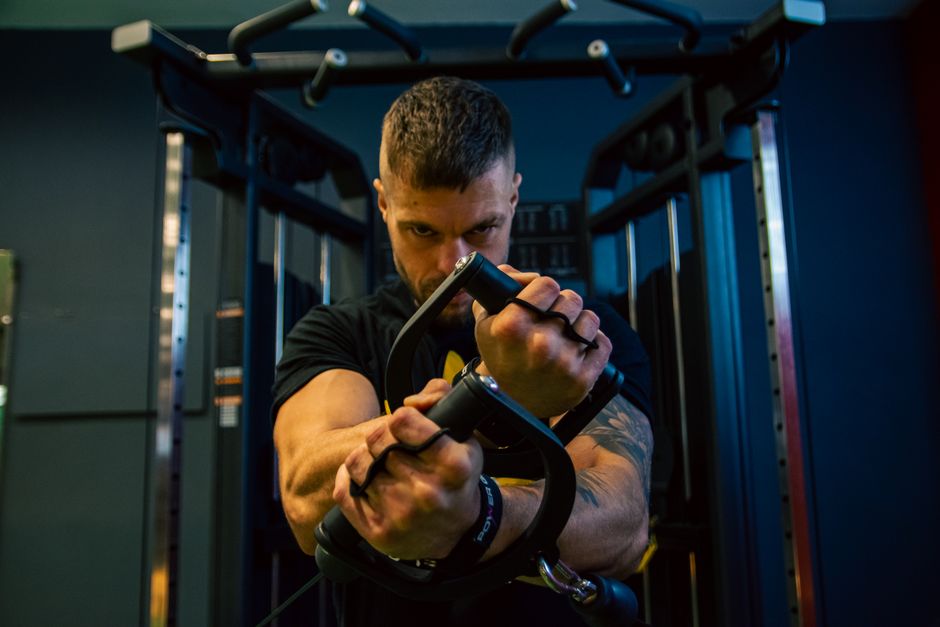
For hypertrophy-focused training, rope attachments and rotating handles excel by maintaining constant tension through extended ranges of motion. Cable flyes with D-handles, rope face pulls, and single-arm crossovers create metabolic stress and mechanical tension that trigger muscle growth. The continuous resistance profile of cables eliminates strength curve dead zones common in free weight exercises.
Strength development programs benefit from rigid attachments like straight bars and V-bars that enable heavy loading with minimal energy expenditure on stabilization. Seated cable rows with straight bars, lat pulldowns, and cable press variations allow progressive overload protocols essential for building maximum strength.
Functional and athletic training leverages specialized attachments for rotation-based movements, anti-rotation core work, and sport-specific patterns. Rope attachments facilitate wood choppers and rotational presses, while ankle cuffs enable resisted sprinting mechanics and kick-through patterns that directly enhance athletic performance.
Material Quality and Construction Standards
The materials and manufacturing processes behind cable attachments determine their longevity, safety, and performance characteristics. Understanding construction quality helps lifters make informed decisions that balance cost with long-term value.
Steel grade and heat treatment form the foundation of durable attachments. High-carbon steel subjected to proper heat treatment resists bending under heavy loads while maintaining flexibility that prevents catastrophic failure. Lower-quality attachments use mild steel that deforms permanently, creating safety hazards and necessitating premature replacement.
Weld integrity represents a critical failure point in attachment construction. Full-penetration welds executed by skilled fabricators distribute stress evenly across joints, while weak welds create concentration points where cracks initiate. Premium manufacturers employ certified welders and conduct quality inspections ensuring every attachment meets rigorous structural standards.
Surface treatments and coatings protect against corrosion while enhancing aesthetics. Chrome plating, powder coating, and specialized finishes prevent rust in humid gym environments and maintain professional appearance through years of heavy use. These treatments also facilitate cleaning and sanitation, important considerations for commercial facilities.
Attachment Selection for Home and Commercial Gyms
Choosing the right cable attachment collection depends on training population, space constraints, and program requirements. Both home gym enthusiasts and commercial facility operators benefit from strategic attachment selection that maximizes training versatility within budget parameters.
Home gym essentials should include a straight bar, rope attachment, V-bar, and pair of D-handles. This compact collection enables comprehensive full-body programming while fitting within typical home gym storage limitations. Quality matters intensely in home settings where equipment receives concentrated use from dedicated lifters pursuing consistent progression.
Commercial facilities require extensive attachment inventories accommodating diverse training preferences and multiple simultaneous users. Professional gyms benefit from redundant attachments preventing bottlenecks during peak hours and specialized options serving advanced lifters with specific needs. Durable construction proves essential in commercial contexts where equipment faces constant heavy use.
The NHS exercise guidance emphasizes the importance of varied resistance training approaches, which comprehensive attachment collections facilitate by enabling program diversity that maintains training adherence and prevents adaptation plateaus.
Maintenance and Care for Longevity
Proper maintenance extends attachment lifespan while ensuring safe operation and consistent performance. Simple care protocols prevent premature wear and protect your investment in quality training equipment.
Regular inspection identifies wear patterns, loose components, and developing damage before safety becomes compromised. Check rotating sleeves for smooth operation, examine welds for crack formation, and verify carabiner gates close securely. Address identified issues immediately rather than allowing minor problems to escalate into dangerous failures.
Cleaning attachments after use removes corrosive sweat and prevents bacterial accumulation. Simple wiping with disinfectant maintains hygiene standards while protecting surface treatments. Periodically lubricate moving parts with appropriate products ensuring smooth rotation and preventing premature bearing wear.
Store attachments properly when not in use, avoiding floor placement where they collect dirt and risk damage from dropped weights. Wall-mounted holders or designated storage racks protect equipment while keeping training areas organized and professional.
Conclusion
Gym attachments for resistance training represent far more than simple accessories—they're precision instruments that determine whether workouts yield marginal results or extraordinary transformations. Quality attachments engineered with proper biomechanics, constructed from premium materials, and designed by lifters who understand the demands of serious training separate those who settle for mediocrity from those who accept no less than excess. Investing in legitimate cable attachments from manufacturers who prioritize performance over profit margins arms you for the war for more, ensuring every bloody rep counts toward the physique and strength you've earned through dedication and discipline.
