

Professional Grade Fitness Equipment Parts
In the relentless pursuit of physical excellence, the equipment you use matters just as much as the effort you put in. Professional grade fitness equipment parts represent the difference between mediocre workouts and transformative training sessions that push your limits and deliver measurable results. Whether you're a bodybuilder chasing hypertrophy, an athlete pursuing peak performance, or a gym owner maintaining a facility that demands respect, understanding the critical role of high-performance parts and attachments is non-negotiable.
Quality equipment parts aren't just about durability—they're about biomechanics, force distribution, and the subtle engineering details that maximize muscle recruitment with every rep. When you're putting your body through grueling training sessions, inferior equipment becomes a bottleneck to progress. Professional grade parts eliminate that barrier and transform your cable machines and weightlifting stations into precision instruments designed for one purpose: extracting maximum gain from workout pain.
What Defines Professional Grade Equipment Parts
Professional grade fitness equipment parts are distinguished by several critical characteristics that separate them from consumer-level alternatives. First and foremost is materials engineering. Quality cable attachments utilize heavy-duty steel construction with precisely machined components that withstand thousands of training sessions without degradation. The difference between chrome-plated pot metal and solid steel construction becomes painfully obvious after months of heavy use.

Weight capacity represents another defining factor. Professional parts are rated for significantly higher loads than recreational equipment, typically supporting 500-1000+ pounds without bending, flexing, or compromising form. This isn't just about preventing equipment failure—it's about maintaining consistent resistance throughout the entire range of motion, ensuring that your muscles face the challenge they need for adaptation and growth.
Ergonomic design separates professional equipment from generic alternatives. Purpose-designed attachments account for natural movement patterns, grip biomechanics, and joint alignment. A professionally engineered cable attachment positions your wrists, elbows, and shoulders in optimal alignment, reducing injury risk while maximizing muscle activation. According to the ACE Fitness exercise library, proper equipment design plays a crucial role in exercise effectiveness and safety.
Bearing systems and rotating mechanisms also distinguish professional parts. Quality attachments incorporate sealed ball bearings or rotating swivels that eliminate cable twist and provide smooth, consistent resistance. This seemingly minor detail dramatically impacts exercise quality, particularly during unilateral movements or exercises requiring natural torso rotation.
Critical Parts for Cable Machine Performance
Cable machine attachments represent the interface between raw resistance and targeted muscle stimulation. Professional grade handles, bars, and specialty attachments transform a basic cable station into a versatile training platform capable of isolating specific muscle groups with surgical precision.
Straight bars and cambered bars serve as foundational attachments for pressing and pulling movements. Professional versions feature knurled grips for secure hand placement, proper diameter for optimal grip strength, and reinforced connection points that prevent catastrophic failure during maximum effort sets. The bar's length, angle, and weight distribution all influence muscle recruitment patterns and force application.
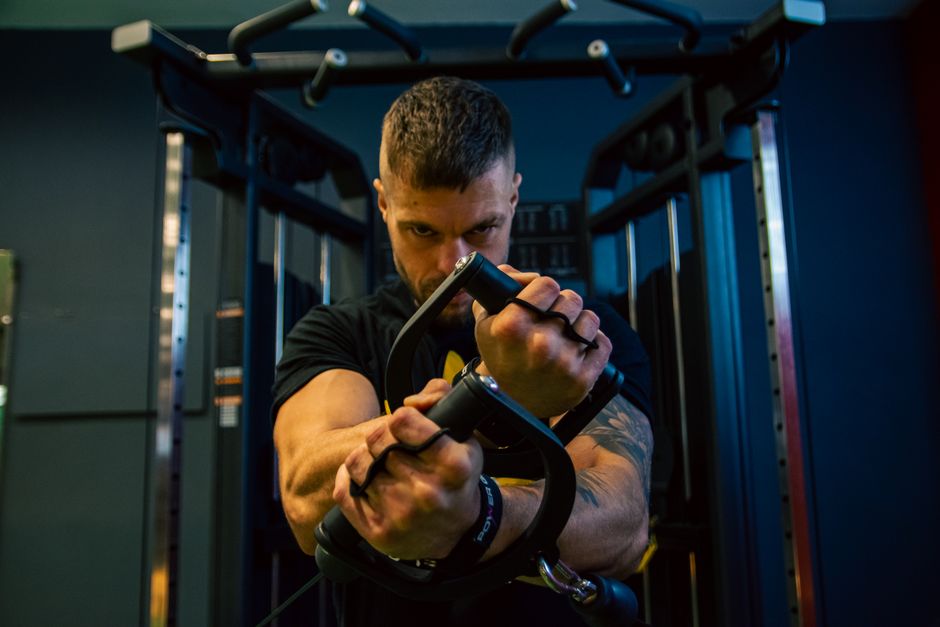
Rotating handles and D-handles provide critical versatility for unilateral training and isolation exercises. Quality versions incorporate independent rotation, allowing natural pronation and supination during movements like cable curls or single-arm rows. This freedom of movement reduces joint stress while increasing muscle fiber recruitment compared to fixed-position alternatives.
Specialty attachments like rope attachments, tricep V-bars, and lat pulldown bars address specific training needs. A professional grade rope attachment uses tightly woven nylon or synthetic fiber that maintains structural integrity under heavy loads while providing a secure, comfortable grip. The rope's length, thickness, and end caps all influence exercise execution and effectiveness.
Weightlifting Equipment Components
Beyond cable attachments, professional grade weightlifting equipment relies on precisely engineered components that ensure safety, performance, and longevity. Barbell collars represent a critical yet often overlooked component. Professional spring collars or competition-grade lock-jaw collars secure plates reliably during dynamic movements like cleans, snatches, or heavy squats where plate shift could prove catastrophic.
J-hooks, safety arms, and rack components must withstand repeated impacts from failed lifts and aggressive re-racking. Professional components use heavy-gauge steel with protective coatings that prevent equipment damage while providing reliable support for maximal loads. These parts literally stand between successful training and potentially serious injury.
Material Science and Construction Standards
The metallurgy behind professional fitness equipment parts deserves serious consideration. Most quality attachments utilize solid steel rather than hollow tubing, providing superior strength-to-weight ratios and eliminating flex under load. The steel grade matters—commercial equipment typically uses alloy steels that provide excellent tensile strength and fatigue resistance.
Surface treatments and coatings protect against corrosion while maintaining grip quality. Chrome plating offers corrosion resistance and attractive appearance, but textured finishes or knurling provide superior grip security during high-intensity training. Some manufacturers use powder coating or specialized corrosion-resistant treatments for equipment used in challenging environments.
Welding quality represents another critical construction element. Professional equipment uses continuous welds with full penetration, ensuring joints remain stronger than the surrounding material. Poorly welded attachments develop stress fractures over time, eventually failing at the worst possible moment during a heavy set.
Cable and hardware specifications matter tremendously. Professional gym attachments for resistance training use aircraft-grade steel cable with specific diameter and construction patterns that resist fraying and maintain consistent properties over thousands of cycles. Connection hardware including carabiners, snap hooks, and quick links must meet industrial load ratings, not recreational standards.
Performance Benefits for Serious Athletes
Professional grade equipment parts deliver tangible performance advantages that directly impact training outcomes. Consistent resistance throughout the full range of motion ensures muscles face continuous tension, maximizing mechanical tension—one of the primary drivers of hypertrophy. Inferior equipment creates dead spots or uneven resistance that reduces exercise effectiveness.
Biomechanical optimization reduces injury risk while improving muscle activation. Properly designed attachments position joints in anatomically favorable positions, reducing stress on connective tissues while maximizing force production. This becomes increasingly important as training intensity escalates and small biomechanical errors compound into chronic issues.
The CDC's physical activity guidelines emphasize the importance of proper resistance training for overall health. Quality equipment ensures you can perform these resistance exercises safely and effectively, meeting recommended activity levels while minimizing injury risk.
Training efficiency improves dramatically with professional equipment. Quick-change cable attachment systems, secure locking mechanisms, and intuitive design minimize transition time between exercises and sets. During high-intensity circuits or timed training sessions, these seconds accumulate into significant productivity gains.
Psychological factors shouldn't be dismissed. Training with equipment that inspires confidence—gear that feels solid, performs consistently, and demonstrates visible quality—enhances focus and intensity. There's a measurable difference in effort when you trust your equipment absolutely versus harboring subconscious doubts about safety or performance.
Selection Criteria for Gym Owners and Trainers
Gym owners and personal trainers face unique considerations when selecting professional grade equipment parts. Return on investment extends beyond initial purchase price to encompass longevity, maintenance requirements, and client satisfaction. Professional equipment parts may cost 2-3 times more than consumer alternatives but typically last 5-10 times longer while requiring minimal maintenance.
Versatility matters in commercial environments where diverse clientele require varied training options. Investing in comprehensive attachment sets that support multiple exercises and training styles maximizes equipment utilization and client satisfaction. A well-equipped cable station with professional attachments can replace multiple specialized machines, optimizing facility space and budget allocation.
Brand reputation and warranty support provide crucial peace of mind for commercial operators. Established manufacturers with proven track records offer replacement guarantees and responsive customer service that minimize downtime when issues arise. The NHS exercise guidance recommends various resistance training exercises that require reliable, professional equipment to perform safely in gym settings.
User feedback and equipment testing should inform selection decisions. Professional trainers understand which attachments clients request most frequently and which design features enhance training effectiveness. Piloting equipment with experienced lifters before large-scale purchases prevents costly mistakes and ensures selections meet actual training needs.
Maintenance and Longevity Considerations
Professional grade equipment parts require minimal maintenance when manufactured to proper standards, but strategic care extends lifespan and preserves performance characteristics. Regular inspection protocols should identify early signs of wear including cable fraying, bearing degradation, or surface corrosion before they compromise safety or function.
Cleaning practices appropriate to material composition prevent accelerated degradation. Sweat and chalk residue create corrosive environments that attack metal surfaces and degrade rubber components. Simple cleaning protocols using appropriate solutions preserve surface treatments and maintain grip quality without damaging protective coatings.
Proper storage extends equipment life substantially. Seated row handles should be hung or stored to prevent unnecessary stress on cables and connection points. Exposure to moisture, extreme temperatures, or direct sunlight degrades materials over time, particularly rubber grips and synthetic rope components.
Replacement schedules based on usage intensity rather than arbitrary timelines ensure safety and performance. High-volume commercial facilities may replace certain parts annually, while home gym equipment might last decades with proper care. Maintaining replacement parts inventory prevents training disruptions when components reach end-of-life.
Conclusion
Professional grade fitness equipment parts represent a non-negotiable investment for serious lifters, trainers, and facility operators who refuse to compromise on training quality. The difference between amateur equipment and professionally engineered parts manifests in every set, every rep, and ultimately in the results you achieve. Quality attachments optimize biomechanics, ensure consistent resistance, withstand punishing training intensity, and provide the confidence necessary to push beyond previous limits.
Whether you're outfitting a commercial facility or building a serious home gym, choosing professional grade parts transforms adequate equipment into precision training instruments designed to extract maximum performance from every workout. In the war for more—more strength, more muscle, more performance—your equipment either supports your ambitions or becomes an obstacle to overcome. Arm yourself with professional grade equipment parts and eliminate that obstacle entirely. Your muscles deserve nothing less than equipment engineered to match your commitment to excellence.
