

Gym Equipment Designed for Bodybuilders
Bodybuilding in 2026 demands more than generic gym equipment and half-hearted efforts. Serious bodybuilders require specialized gear engineered to maximize muscle activation, optimize mechanical advantage, and withstand the punishment of heavy, progressive overload. Unlike casual fitness enthusiasts, bodybuilders need equipment that treats every rep as a calculated assault on muscular adaptation—tools designed by lifters who understand that building exceptional physiques requires exceptional equipment.
The distinction between standard gym gear and equipment purpose-built for bodybuilders lies in biomechanics, durability, and performance engineering. While commercial gyms often stock equipment suitable for general fitness populations, dedicated bodybuilders benefit significantly from specialized attachments and implements that target specific muscle groups with surgical precision. According to CDC physical activity guidelines, adults should perform muscle-strengthening activities of moderate or greater intensity involving all major muscle groups, making equipment quality and specificity crucial for optimal results.
Cable Machine Attachments: The Bodybuilder's Secret Weapon
Cable machines provide constant tension throughout the entire range of motion, making them invaluable for bodybuilding-specific training. However, standard cable attachments often fall short in grip comfort, durability, and biomechanical optimization. High-performance cable attachments transform ordinary cable stations into precision muscle-building tools.
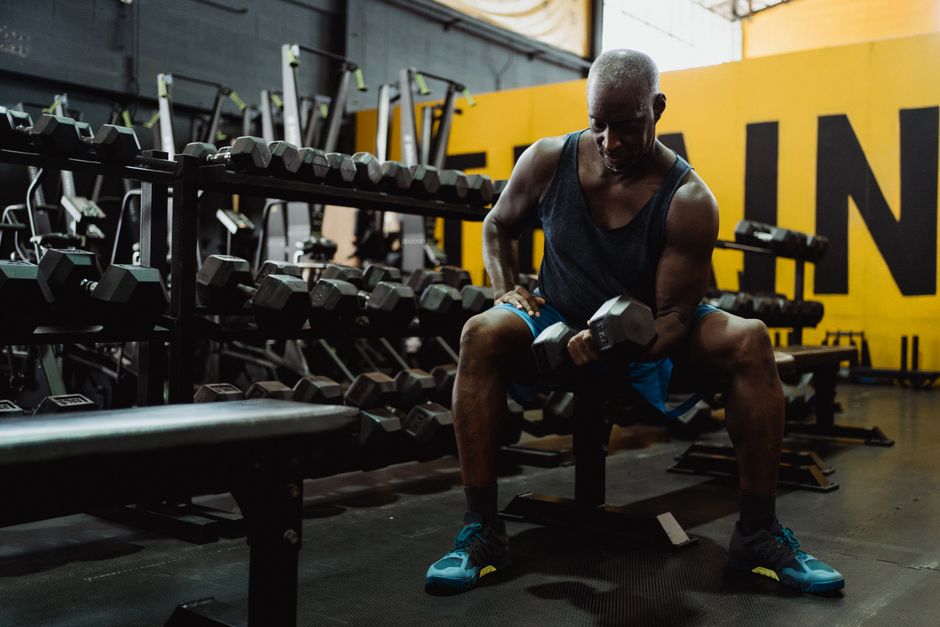
The Pull Force Mainbeam modular cable machine attachment exemplifies this evolution in cable equipment design. Its modular construction allows bodybuilders to customize grip width and angle, accommodating different exercises and individual biomechanics. This adaptability ensures optimal muscle activation across various movements, from lat pulldowns to cable rows, without compromising form or comfort.
Triceps development demands specialized equipment that maintains constant tension while allowing full elbow extension. The Bull Tail massive 2-inch tricep rope provides the grip thickness and length necessary for complete triceps engagement. Thicker rope diameters increase forearm activation while the extended length permits greater range of motion during pressdowns and overhead extensions—critical factors for complete triceps development.
Specialized Handles for Maximum Muscle Activation
Grip variations significantly impact muscle recruitment patterns. Fat grip training, popularized among strength athletes and bodybuilders, increases neural drive and muscle activation across the entire kinetic chain. The Hog Legs Jawbone fat grip handles deliver this advantage specifically for cable exercises, forcing greater muscle fiber recruitment during pulling movements.

Bodybuilders understand that back development requires multiple angles and grip positions. While standard gym equipment offers limited variation, specialized rowing handles provide the versatility serious back training demands. Multi-position handles allow seamless transitions between neutral, pronated, and supinated grips, targeting different regions of the latissimus dorsi, rhomboids, and trapezius muscles throughout a single training session.
Shoulder training presents unique challenges due to the joint's complexity and vulnerability. The Delt-Belt handle straps enable biomechanically sound upright rows and lateral movements that minimize shoulder impingement while maximizing medial deltoid activation—a critical consideration for building impressive shoulder width without accumulating injury.
Engineering for Performance and Durability
Bodybuilding equipment must withstand forces exceeding those encountered in general fitness training. Progressive overload—the cornerstone of hypertrophy training—means equipment faces increasing loads week after week, year after year. Commercial-grade components, reinforced construction, and materials engineering separate legitimate bodybuilding equipment from hardware-store alternatives that fail under serious training loads.
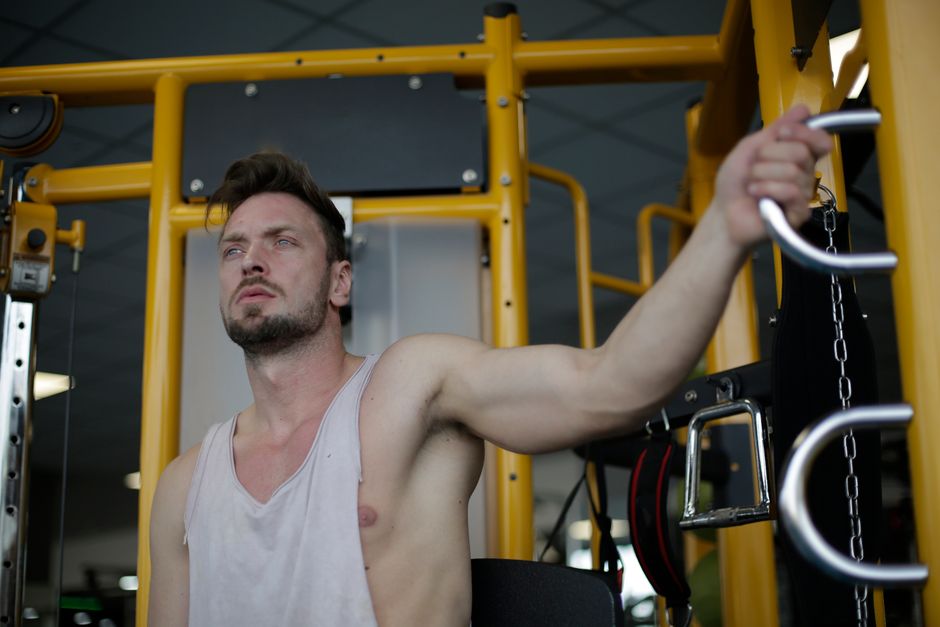
Welds, bearing assemblies, cable ratings, and material selection directly impact equipment longevity and safety. Equipment designed by lifters incorporates real-world testing under brutal training conditions that reveal weaknesses invisible in engineering simulations. This field-testing process ensures that attachments and implements perform reliably when loaded with stack-pinned weights or facing the explosive force generation of advanced training techniques.
Knurling depth, grip diameter, and surface treatments affect performance during high-intensity sets when grip security becomes paramount. Equipment engineered for bodybuilders features aggressive knurling that maintains purchase even with sweaty hands during metabolic training or high-repetition work. These details separate equipment that merely functions from gear that enhances performance when it matters most—during those final, growth-stimulating repetitions.
Biomechanical Advantages of Specialized Equipment
Human biomechanics vary considerably between individuals. Limb lengths, joint structure, and muscle insertion points create unique leverage profiles that standard equipment cannot accommodate. Adjustable and modular equipment allows bodybuilders to optimize movement patterns for their specific anatomy, maximizing muscle tension while minimizing joint stress.
Exercise science research detailed in resources like the ACE Fitness exercise library demonstrates that exercise effectiveness depends heavily on proper biomechanical alignment. Equipment that permits customization of grip width, handle angle, and resistance vectors enables bodybuilders to position joints optimally throughout movement arcs, increasing time under tension and reducing compensatory movement patterns that dilute muscle stimulus.
Rotational freedom in handles and attachments allows natural wrist and forearm positioning during exercises. Fixed-angle attachments force wrists into potentially compromising positions that limit load capacity and increase injury risk. Rotating connections and swivel mechanisms permit natural joint alignment, allowing bodybuilders to focus mental resources on muscle contraction rather than managing joint discomfort.
Equipment Selection for Home and Commercial Gyms
Gym owners and personal trainers face equipment decisions that balance durability, versatility, and user experience. Bodybuilding-specific equipment elevates facility quality, attracting serious lifters who recognize and value performance-oriented gear. Investment in specialized attachments and implements differentiates premium training facilities from budget gyms stocked with basic hardware.
Home gym enthusiasts building dedicated training spaces benefit enormously from modular equipment systems that maximize exercise variety within space constraints. A comprehensive collection of specialized cable attachments transforms a single cable station into a complete upper-body training system, eliminating the need for multiple machines while providing exercise variation that prevents adaptation and promotes continued progress.
Athletes supplementing sport-specific training with bodybuilding work require equipment that bridges performance and physique goals. Heavy-duty construction handles the explosive force production of athletic movements, while biomechanically optimized designs ensure muscle development occurs in patterns that enhance rather than hinder athletic performance. This intersection of strength, power, and hypertrophy training demands equipment engineered for multiple loading paradigms.
The Psychology of Premium Equipment
Training environment and equipment quality profoundly affect workout intensity and consistency. Bodybuilders using purpose-built equipment experience increased training motivation and psychological commitment to their programs. High-quality gear signals seriousness of purpose, creating a mental framework that elevates effort and focus during training sessions.
Equipment that performs reliably eliminates frustration and wasted time during workouts. Attachments that slip, bend, or cause discomfort break training rhythm and reduce workout quality. Conversely, equipment engineered for seamless performance allows bodybuilders to enter flow states where conscious thought diminishes and instinctive muscle connection dominates—precisely the mental state that produces extraordinary training sessions and accelerated progress.
The tactile experience of gripping properly designed handles, feeling secure connections, and moving through resistance without equipment flex or instability creates confidence that translates directly into increased loading and training intensity. This psychological component, though often overlooked, significantly impacts long-term adherence and results in bodybuilding programs where consistency over months and years determines ultimate success.
Conclusion
Bodybuilding in 2026 represents the convergence of exercise science, biomechanical optimization, and engineering excellence. Generic gym equipment serves general fitness populations adequately, but bodybuilders pursuing exceptional physiques require specialized gear designed specifically for the unique demands of hypertrophy training. From cable attachments that optimize muscle activation to handles engineered for maximum durability and biomechanical advantage, equipment purpose-built for bodybuilders transforms training from routine exercise into precision muscle construction. Whether outfitting a commercial facility, building a home gym, or upgrading existing equipment, investing in bodybuilding-specific implements pays dividends in training quality, injury prevention, and ultimately, the physique results that justify the effort. As the NHS exercise guidance emphasizes, quality strength training contributes significantly to overall health—and quality equipment ensures that training delivers maximum benefit with minimum risk.
