

Heavy Duty Weightlifting Grips for 2026
Serious lifters understand that grip strength isn't just a supporting factor in their training—it's often the limiting factor that determines whether they break through plateaus or fall short of their potential. Heavy duty weightlifting grips have evolved from simple accessories into essential performance tools that enable athletes to push beyond the point where bare hands would fail. As we navigate 2026, the demand for specialized grip equipment continues to surge among bodybuilders, powerlifters, and strength athletes who refuse to let sweaty palms or callused hands derail their progress toward maximum muscle development.
The science behind grip training has gained significant recognition from major health organizations. The CDC's physical activity guidelines emphasize the importance of muscle-strengthening activities that work all major muscle groups, and grip strength serves as a fundamental component in executing these movements effectively. When your grip gives out before your target muscles reach failure, you're leaving gains on the table—a situation no dedicated lifter should accept.
Why Heavy Duty Grips Matter for Serious Training
The difference between standard fitness accessories and heavy duty weightlifting grips lies in their construction, materials, and performance under extreme conditions. When you're pulling serious weight on deadlifts, rows, or cable exercises, your equipment needs to withstand forces that would destroy ordinary gear. Heavy duty grips are engineered with reinforced stitching, commercial-grade materials, and ergonomic designs that distribute pressure evenly across your hands and wrists.

Beyond simply preventing equipment failure, quality grips enable you to maintain proper form throughout your entire set. When your natural grip fatigues, your body compensates by recruiting secondary muscles and altering movement patterns—compromises that reduce the effectiveness of the exercise and increase injury risk. By extending your grip endurance, heavy duty grips ensure that your target muscles receive maximum stimulation before technical failure occurs.
For athletes training with cable machines, specialized attachments like the HOG LEGS Jawbone pair of Fat Grip Gym Handles transform standard exercises into grip-intensifying movements that build forearm strength while executing primary lifts. This dual-benefit approach maximizes training efficiency without requiring additional isolation work.
Types of Heavy Duty Weightlifting Grips
The weightlifting grip market in 2026 offers several distinct categories, each designed for specific training applications. Lifting straps provide wrist support and allow you to maintain connection with the bar during heavy pulling movements. These work particularly well for deadlift variations, barbell rows, and rack pulls where grip strength would otherwise limit the load you can handle.
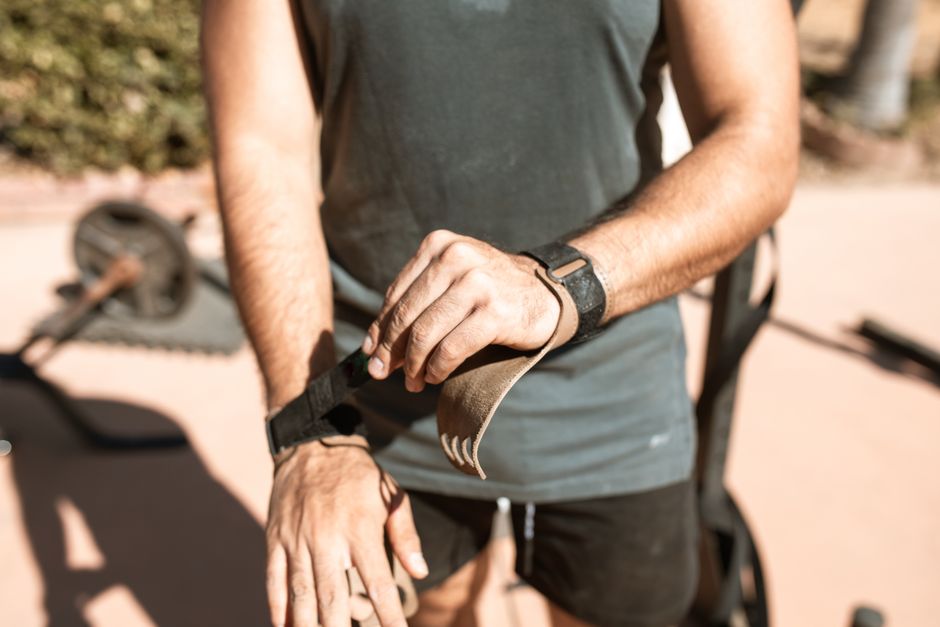
Fat grip adapters increase the diameter of barbells, dumbbells, and cable attachments, forcing your hands and forearms to work harder during every repetition. This increased demand on the grip musculature translates to enhanced forearm development and improved crushing strength that carries over to all pressing and pulling movements.
Specialized cable machine grips represent another category that serious gym-goers have embraced. The DELT-BELT Handle Straps exemplify this category by offering versatile attachment options that maintain consistent tension throughout the entire range of motion while reducing stress on joints and connective tissue.
Hook grips and figure-8 straps serve powerlifters and strongman competitors who need to secure extremely heavy loads without relying solely on crushing grip strength. These designs wrap around both the wrist and the bar, creating a mechanical advantage that allows athletes to focus on the primary movement pattern rather than simply hanging onto the weight.
Material Construction and Durability Standards
In 2026, the materials used in heavy duty weightlifting grips have reached new levels of sophistication. Military-grade nylon webbing, reinforced with polyester threading, provides exceptional tensile strength while resisting abrasion from knurled bars and textured handles. Premium leather options offer natural grip and conform to your hand shape over time, though they require more maintenance than synthetic alternatives.
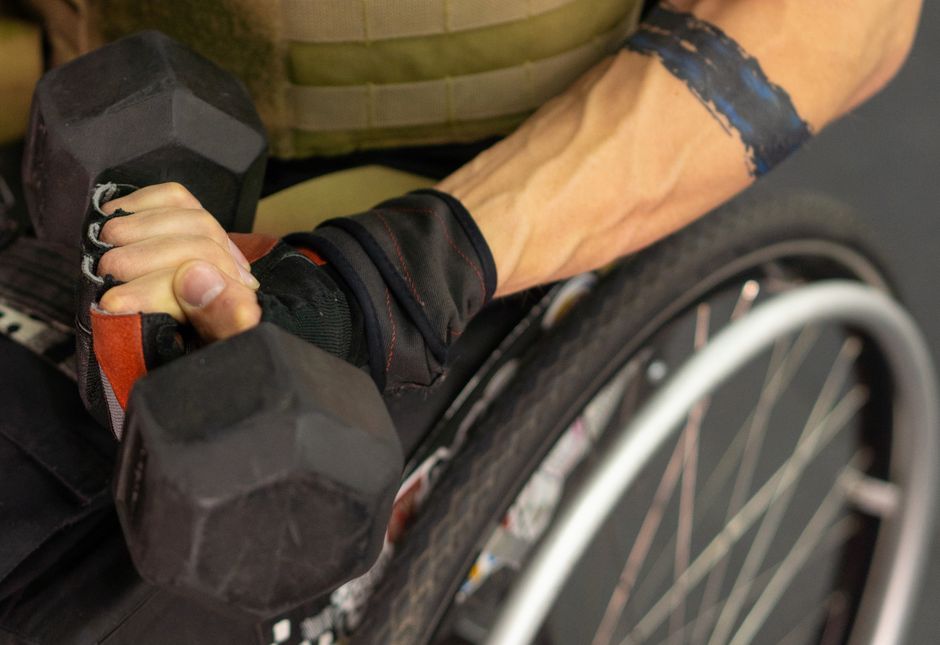
Neoprene padding in contact areas reduces pressure points and prevents the straps from cutting into your skin during maximum effort sets. The best designs balance protective padding with minimal bulk—too much cushioning actually reduces proprioceptive feedback and can compromise your connection to the weight.
Metal components including D-rings, carabiners, and adjustment buckles must meet strict load-bearing specifications. Quality manufacturers test these elements to failure points well beyond what they'll encounter in practical use. This engineering approach ensures that even when you're grinding out a personal record, your equipment won't become the weak link in your performance chain.
Advanced cable attachment systems like the Pull Force Mainbeam with Ball Slides demonstrate how innovative materials and design work together to create equipment that enhances muscle recruitment patterns while withstanding the punishment of daily high-intensity training.
Proper Usage Techniques and Training Applications
Understanding when and how to implement heavy duty grips maximizes their effectiveness in your training program. For exercises where grip is not the primary focus—such as lat pulldowns, face pulls, or tricep pushdowns—using grips or straps allows you to achieve complete muscle fatigue in the target area without premature termination due to forearm failure.
The ACE Fitness exercise library provides detailed breakdowns of proper form for various movements, and incorporating appropriate grip equipment amplifies the effectiveness of these techniques. During back training, for example, straps enable you to maintain a neutral wrist position and focus on scapular retraction rather than just holding onto the bar.
Strategic grip training also means knowing when not to use assistance. Compound movements like deadlifts benefit from periodized grip work where you perform some sessions with bare hands to build natural grip strength, then use straps on heavier working sets to overload the posterior chain beyond what your hands alone can support.
For athletes performing high-volume cable work, rotating between different grip styles prevents overuse injuries and ensures balanced development. The versatility of modular systems allows you to switch from narrow grips to wide grips, from pronated to neutral positions, all while maintaining the heavy duty construction that serious training demands.
Selecting the Right Grips for Your Training Goals
Your choice of heavy duty weightlifting grips should align with your specific training objectives and the exercises that form the foundation of your program. Powerlifters prioritizing absolute strength in the big three lifts require different grip solutions than bodybuilders focusing on muscle hypertrophy through varied cable exercises and isolation movements.
Consider the primary movements in your routine and identify where grip failure most commonly occurs. If your back development suffers because your forearms fatigue during rowing variations, investing in quality lifting straps addresses this limitation directly. If you're seeking enhanced forearm development alongside your primary lifts, fat grip adapters provide progressive overload for the grip musculature.
Material preferences often come down to individual comfort and training environment. Synthetic materials excel in humid conditions and require minimal maintenance, while leather options provide a traditional feel that some lifters prefer for certain movements. The key is selecting equipment built to withstand your training intensity regardless of the specific material composition.
Budget considerations shouldn't compromise quality when it comes to heavy duty grips. Cheap equipment fails at critical moments, potentially causing injury or at minimum disrupting your training momentum. Investing in properly engineered grips from manufacturers who understand serious lifting pays dividends through years of reliable performance.
Maintenance and Longevity of Heavy Duty Grips
Even the most robust weightlifting grips require proper care to maintain their performance characteristics over time. After each training session, remove chalk buildup and sweat residue to prevent material degradation. Most synthetic grips tolerate hand washing with mild detergent, while leather options benefit from specialized conditioners that preserve suppleness and prevent cracking.
Regular inspection of stitching, buckles, and attachment points helps identify wear before it progresses to failure. Check for fraying threads, stretched webbing, or deformed metal components that could compromise load-bearing capacity. Replacing grips before they fail completely prevents the frustration of mid-workout equipment breakdown and maintains consistent training quality.
Storage practices also influence longevity. Hanging grips to dry in a well-ventilated area prevents moisture retention that accelerates material breakdown. Avoid leaving equipment in direct sunlight or in hot vehicles where UV exposure and heat cycling degrade synthetic fibers and leather over time.
Following guidance from organizations like the NHS exercise recommendations regarding consistent training schedules means your grip equipment will see regular use. Treating these fitness equipment with the same respect you give your primary lifting equipment ensures they remain reliable training partners for years of progressive overload and continuous gains.
Conclusion
Heavy duty weightlifting grips represent more than convenient accessories—they function as force multipliers that unlock your true strength potential by eliminating grip as a limiting factor in your training. As we progress through 2026, the evolution of grip technology continues to provide serious lifters with tools engineered specifically for the demands of high-intensity resistance training. Whether you're a competitive powerlifter chasing record totals, a bodybuilder pursuing maximum muscle development, or an athlete demanding peak performance from every training session, investing in quality grip equipment removes barriers between you and your goals. The difference between adequate equipment and exceptional equipment often determines whether you settle for gradual progress or achieve the breakthrough results that separate dedicated athletes from the competition. Choose your grips with the same intensity you bring to your training, and refuse to accept anything less than equipment built for the war you wage in the gym—one bloody rep at a time.
