

Gym Equipment for Serious Training in 2026
Serious training is not about showing up and moving weight around. It is about extracting every ounce of adaptation from every set, every rep, and every second under tension. If you are a bodybuilder, weightlifter, powerlifter, or competitive athlete, the difference between progress and stagnation often comes down to the tools in your hands. In 2026, the gap between generic gym equipment and purpose-built, high-performance gear has never been wider — and the lifters who understand that gap are the ones winning the war for more.
This guide breaks down what actually matters when you are buying gym equipment for serious training: the categories that drive results, the specifications that separate real gear from junk, and how to build a setup that serves you for years rather than months. Whether you train in a commercial gym, a garage, or run a facility full of athletes, the principles are the same.
Why Serious Lifters Outgrow Standard Gym Equipment
Walk into almost any commercial gym and you will find the same story: cables with frayed coatings, attachments that swivel in ways they should not, handles that are too fat, too thin, or coated in rubber that shreds your grip. This equipment is designed for durability against abuse by casual users — not for optimal force transfer for trained athletes.
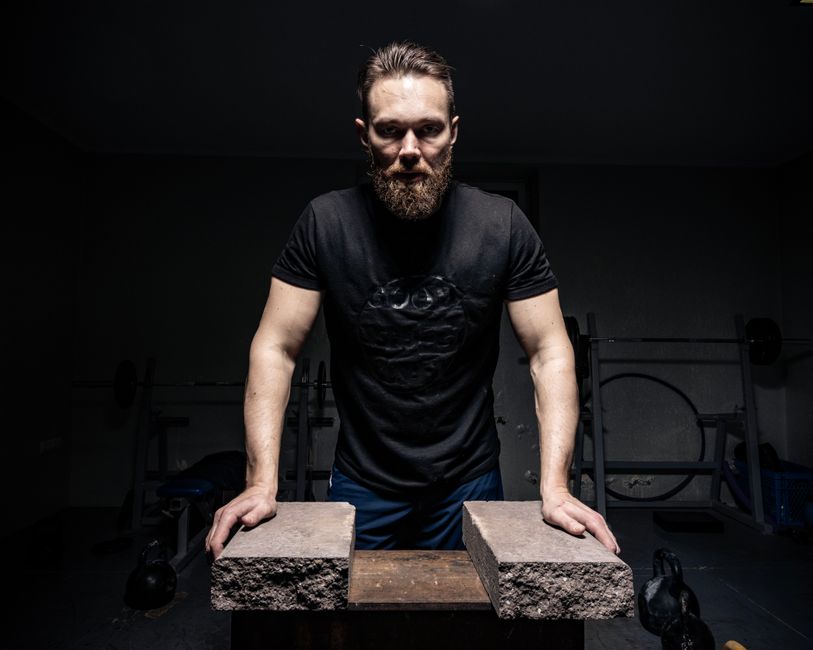
The result is subtle but significant. A poorly machined cable attachment leaks tension through sloppy joints. A chrome-plated handle that looked great on the shelf becomes slick the moment your palms sweat during a heavy set of lat pulldowns. A cheap ankle strap rolls, pinches, and shifts the load away from the target muscle. Over hundreds of sessions, these small inefficiencies compound into real lost gains.
Serious training demands equipment that matches the intent of the movement. That means attachments engineered for specific lifts, handles that lock into your grip rather than fight it, and materials that hold up to heavy loads without deforming. As the CDC physical activity guidelines note, adults benefit substantially from regular muscle-strengthening activity — but the quality of that activity matters just as much as the quantity. Strength training done with substandard tools is simply less efficient.
The Core Categories of Serious Training Equipment
If you are building or upgrading a training space — home or commercial — it helps to think in categories rather than individual purchases. Each category solves a different problem, and skimping on any one of them limits your overall development. You can see that principle in action in this guide to durable gym equipment that survives the war, where construction quality separates long-term value from short-term spend.
1. Cable Attachments and Machine Handles
Cable machines are the most versatile tools in any gym, but their usefulness lives and dies by the attachment. Serious lifters need a curated set:
- Lat pulldown and row attachments for building back width and thickness through full ranges of motion.
- Triceps pressdown bars and ropes that allow wrist rotation and full lockout without elbow strain.
- Specialty handles — neutral-grip, rotating, and core-focused variants — that unlock movement patterns a straight bar cannot.
A well-stocked set of cable attachments is the single highest-leverage upgrade for most lifters. It transforms one machine into a dozen exercise stations. For dedicated back development, a set of cable pull handles built for back workouts gives you the variety needed to hit lats, rhomboids, and traps from every angle. If you want to go deeper on selection, this cable crossover machine handles buyer's guide breaks down what to look for.
2. Free Weights and Barbells
Barbells, dumbbells, and plates remain the foundation of strength. For serious training, look for:
- Power bars with moderate whip and aggressive knurling for squat, bench, and deadlift.
- Olympic bars with proper spin for cleans, snatches, and jerks.
- Calibrated plates if you compete, so your training numbers match meet-day reality.
- Specialty bars — safety squat, trap, and cambered variants — for targeted overload and joint-friendly workarounds.
These items are not cheap, but they are the tools you will use for a decade or more. Buy once, train hard, and avoid re-buying every eighteen months.
3. Grip and Forearm Tools
Grip is the silent limiter on almost every pull. Your back can be strong enough for a heavy deadlift, but if your hands fail, the set ends early. Dedicated forearm and grip equipment — from rolling handles to suspended hand grip strengtheners — builds the crushing strength that transfers directly to your main lifts. Treat grip work as a mandatory accessory, not an afterthought.
4. Core and Ab Equipment
A strong midsection is the transfer station between your lower and upper body. Serious core training goes far beyond crunches. A thoughtful selection from a dedicated ab workouts collection should cover anti-extension, anti-rotation, and dynamic flexion patterns. Cable-based core handles are particularly effective because they let you load the movement progressively and adjust resistance in small increments — something bodyweight work cannot do indefinitely.
5. Bands, Chains, and Accommodating Resistance
Bands and chains change the strength curve of a lift, making the top end harder and the bottom end more forgiving. They are staples in conjugate and powerlifting programs, and useful for athletes seeking explosive power. They also travel well, making them a cheap way to keep serious training going while on the road. For a full breakdown of what actually delivers, see this guide to workout accessories for lifters that actually deliver.
What to Look For in High-Performance Gear
Not all equipment marketed as "heavy duty" deserves the label. Here is what separates genuine performance gear from marketing copy.
Materials and Construction
Look for solid steel rather than hollow tubing, welded joints rather than pressed and pinned connections, and finishes that survive chalk, sweat, and daily contact. Chrome that flakes becomes a hazard. Powder coat that chips exposes bare metal to rust. The best gear uses coatings chosen for function first.
Ergonomics and Force Transfer
Good equipment disappears into the movement. A handle should fit your hand so well that you forget it is there. Swivels should rotate smoothly under load without wobble. Straps should distribute pressure across the strongest part of the limb, not dig into a nerve or tendon. When an attachment is designed by lifters for lifters, these details are obvious — and when they are missing, you feel it immediately on a heavy set.
Load Ratings and Longevity
Check stated load ratings, then think about how much margin you want. If an attachment is rated to 200 kilograms and you plan to load it to 180, there is no margin for wear, shock loading, or a training partner who yanks the handle. Buy gear rated well above what you currently lift — you will grow into it, and it will outlast your current program.
Longevity also matters environmentally and financially. The NHS exercise guidance emphasises the importance of strength work for long-term health, which means the equipment you buy today should still be supporting your training in ten years. Cheap gear is a false economy in a discipline measured in decades.
Building a Setup That Matches Your Discipline
The ideal equipment list differs depending on what you actually do. Use these templates as starting points, then adapt.
For Bodybuilders
Prioritise cable attachments, specialty handles, and machines that let you isolate and overload every muscle group. Variety is your friend. Build a library of pressdown, curl, and row attachments, and invest heavily in arm-focused training tools that allow supinated, pronated, and neutral grips. The more precisely you can target a muscle, the more effectively you can drive hypertrophy.
For Weightlifters and Powerlifters
Spend your money on a quality barbell, calibrated plates, and a platform. Cable work is secondary. Then add chains, bands, and specialty bars to attack weak points. Accessories matter, but the bar is the sport.
For Athletes and Field Sports
Blend heavy compound work with explosive and rotational training. Rotational core tools, sleds, and cable-based anti-rotation exercises build the transferable strength that shows up on the field. Change-of-direction and power output depend on a midsection that can brace under load while limbs move freely.
For Personal Trainers and Gym Owners
Your equipment is a client retention tool. Durable, distinctive, and functional gear signals that you take training seriously — and it holds up to dozens of users per day. Stocking specialised attachments gives your trainers programming options competitors cannot match. A commercial set of cable handles and core tools pays for itself in programming flexibility alone.
Maintenance and Long-Term Value
Serious equipment rewards care. Wipe down cables and handles after sessions to remove sweat and chalk residue. Inspect swivels, welds, and coatings monthly. Replace worn cables before they fail under load, not after. Store attachments on racks rather than in a heap, and keep moving parts lightly lubricated where the manufacturer allows it.
Treat gear like the tool it is, and it will serve you for years. This is the other half of the "buy once" argument: quality equipment combined with disciplined maintenance produces a lower cost per workout than any disposable alternative. Over a decade of training, the maths is not close.
Conclusion: Arm Yourself for the War for More
Serious training is a long campaign, and your equipment is your arsenal. Generic gear will not carry you through it — not with the loads you intend to move and the standards you hold yourself to. Build your setup around high-performance cable attachments, purpose-designed handles, and tools that transfer force exactly where you want it. Then train like the results depend on every rep, because they do.
You have earned the right to demand more from your gear. No less than excess. Now go win the respect you have earned — one bloody rep at a time, as if lame workouts were a crime.
