

Heavy Duty Gym Equipment Handles Guide
In 2026, the fitness industry continues to evolve with one constant truth: the quality of your equipment directly impacts your results. For serious weightlifters, bodybuilders, and athletes who refuse to accept mediocrity, heavy duty gym equipment handles aren't just accessories—they're essential weapons in the war for more muscle, more strength, and more performance. Understanding what separates commercial-grade handles from standard equipment can transform your training and accelerate your gains.
Heavy duty gym equipment handles are engineered to withstand extreme loads, repeated use, and the punishing demands of high-intensity training. Unlike consumer-grade alternatives that bend, crack, or deteriorate under serious weight, professional-grade handles are built with reinforced construction, superior materials, and biomechanically optimized designs that deliver consistent performance rep after bloody rep.
Why Heavy Duty Construction Matters
The difference between standard and heavy duty gym handles becomes painfully obvious the first time cheap equipment fails mid-set. Professional-grade handles feature thicker gauge steel, reinforced welding points, and load ratings that exceed typical training demands. This isn't just about durability—it's about safety, consistency, and the confidence to push your limits without worrying about equipment failure.
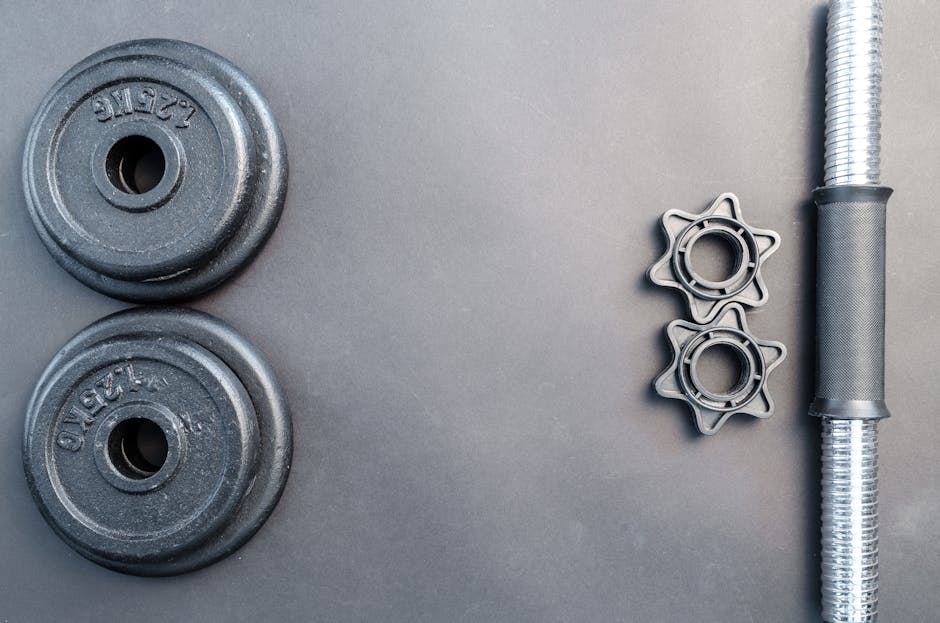
When you're pulling 300+ pounds on cable rows or grinding through high-volume tricep work, your handles must maintain structural integrity without flexing, rotating, or compromising your form. Heavy duty construction ensures that the weak link in your training is never your equipment—it's only your willingness to push harder.
Commercial gym owners understand this principle inherently. Equipment that serves hundreds of users weekly must survive constant abuse while maintaining performance standards. The same engineering principles that make handles suitable for commercial environments make them ideal for serious home gym warriors who train with professional intensity.
Cable Machine Handle Types and Applications
Heavy duty cable machine handles come in diverse configurations, each engineered for specific movement patterns and muscle groups. Understanding these variations helps you build a comprehensive arsenal that targets every angle of development.
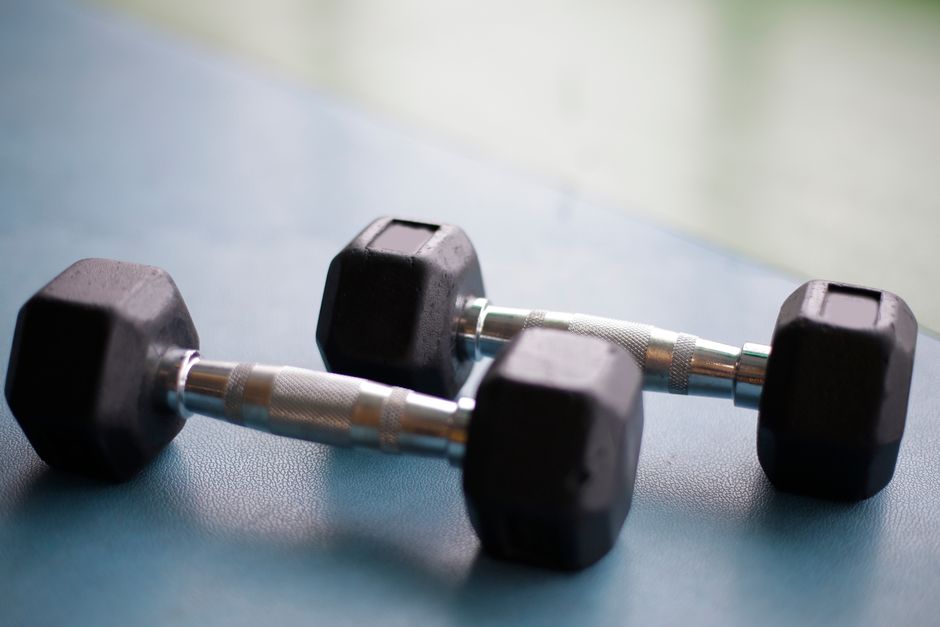
The Pull Force Mainbeam modular system represents the evolution of cable attachments, offering interchangeable components that adapt to multiple exercises without requiring a garage full of single-purpose bars. This modularity doesn't compromise strength—it enhances versatility while maintaining the structural integrity demanded by heavy loading.
Tricep ropes deserve special attention in any discussion of heavy duty handles. Standard ropes fray, stretch, and lose tension, degrading your training quality over time. Premium options like the Bull Tail 2" tricep attachment feature reinforced construction with diameters that enhance grip challenge while providing the durability to withstand thousands of extensions, pressdowns, and overhead movements.
Row handles present another critical equipment category. The HOG LEGS Multi-Row system demonstrates how heavy duty engineering enables multiple grip positions within a single attachment, allowing you to hit your back from various angles without switching equipment between sets. This efficiency matters during high-intensity training when every second counts.
Material Selection and Manufacturing Quality
The materials used in heavy duty gym handles separate professional equipment from pretenders. Cold-rolled steel provides superior tensile strength compared to mild steel alternatives, resisting deformation under load while maintaining precise tolerances. Surface treatments like powder coating or industrial chrome plating protect against corrosion from sweat and environmental factors while providing grip-friendly textures.

Welding quality represents another critical factor often overlooked by casual equipment buyers. Professional-grade handles feature continuous welds inspected for consistency, eliminating weak points where stress concentrates during use. Poor welding creates failure points that compromise both safety and longevity—unacceptable for equipment designed to support your hardest efforts.
Knurling depth and pattern significantly impact functionality. Too shallow, and handles become slippery when you're sweating through brutal sets. Too aggressive, and they tear up your hands, limiting training volume. Heavy duty handles balance aggressive grip with hand comfort, often featuring strategically placed smooth sections for repositioning without sacrificing security during work sets.
Ergonomics and Biomechanical Design
Heavy duty construction means nothing if handle geometry doesn't align with human biomechanics. Proper handle angles reduce joint stress while maximizing muscle recruitment—the difference between productive training and injury-inducing movement patterns.
Grip width options allow customization based on individual shoulder width, arm length, and flexibility. Adjustable or modular systems like the Mainbeam with ball slides enable precise positioning that standard fixed-width bars cannot accommodate, ensuring optimal muscle engagement across different body types.
Rotating components reduce wrist strain during exercises like bicep curls and tricep extensions where natural forearm rotation occurs throughout the movement. Quality bearings that maintain smooth rotation under load distinguish professional-grade attachments from consumer products with sticky, binding rotation that fights against natural movement patterns.
According to the ACE Fitness exercise library, proper equipment selection and form fundamentally impact exercise effectiveness and injury prevention. Heavy duty handles designed with biomechanical principles support correct movement patterns rather than forcing compensation that leads to chronic issues.
Specialized Attachments for Targeted Development
Beyond standard bars and ropes, specialized heavy duty handles address specific training needs and muscle groups often neglected with basic equipment. Handle straps like the DELT-BELT system enable exercises difficult or impossible with rigid attachments, opening new avenues for shoulder, trap, and abdominal development.
Fat grip handles increase diameter, forcing greater forearm and hand muscle recruitment while reducing stress on joints. This seemingly simple modification transforms standard exercises into grip-intensive movements that build crushing hand strength alongside primary muscle targets. Heavy duty fat grip options maintain structural integrity despite reduced metal thickness necessitated by increased diameter.
Multi-function attachments maximize versatility without compromising specialization. Systems that serve as pull-up hooks, T-bar row rings, and cable handles eliminate the need for separate single-purpose equipment while maintaining the strength standards required for each application. This efficiency particularly benefits home gym owners working with limited space and budget.
Investment Value and Long-Term Performance
Heavy duty gym equipment handles command premium prices compared to basic alternatives, raising legitimate questions about return on investment. The answer lies in long-term cost analysis and performance consistency over years of intense use.
Cheap handles require replacement after months of serious training, creating recurring costs that quickly exceed the initial savings. Professional-grade equipment delivers decades of reliable service, effectively reducing cost-per-workout to negligible levels for committed lifters. This durability also maintains resale value should you upgrade or change equipment needs.
Performance consistency represents value beyond mere longevity. Heavy duty handles maintain their geometry, surface texture, and mechanical function through thousands of training sessions, ensuring that your 500th workout with an attachment feels identical to your first. This consistency supports progressive overload principles central to strength development, as outlined in CDC physical activity guidelines.
For commercial gym owners, equipment reliability directly impacts member satisfaction and operational costs. Handles that survive heavy use without frequent replacement or maintenance protect profit margins while ensuring members always have functional equipment available. The business case for heavy duty construction becomes even more compelling when considering liability implications of equipment failure.
Maintenance and Care for Maximum Lifespan
Even the most robust heavy duty handles benefit from basic maintenance that preserves performance and appearance. Regular cleaning removes sweat, chalk, and debris that can accelerate corrosion or degrade surface coatings. Simple inspection routines identify wear patterns or damage before they compromise functionality or safety.
Rotating components require periodic lubrication to maintain smooth operation. Quality bearings resist contamination better than cheap alternatives, but preventive maintenance extends service life significantly. A few minutes every few months protects your investment and ensures optimal performance during training.
Proper storage prevents unnecessary damage when handles aren't in use. Avoiding floor placement where they can be stepped on or rolled over, using designated hooks or racks, and keeping attachments organized reduces wear from handling and prevents the cosmetic damage that, while not affecting function, detracts from your gym's professional appearance.
Conclusion
Heavy duty gym equipment handles represent essential infrastructure for serious training programs. The superior materials, engineering precision, and biomechanical optimization that define professional-grade attachments directly translate to better workouts, faster progress, and safer training over the long term. Whether you're building a commercial facility, outfitting a home gym, or simply refusing to accept mediocre equipment, investing in handles that match your training intensity proves economically and practically superior to the false economy of cheap alternatives. In the war for more muscle, more strength, and more performance, arm yourself with equipment built to the same uncompromising standards you demand from yourself. For additional guidance on structuring effective training programs around quality equipment, resources like premium gym accessories for serious lifters provide evidence-based frameworks that complement proper equipment selection.
