

High Quality Gym Handles for Lifting
When it comes to maximizing muscle activation and achieving serious strength gains, the equipment you use matters. High quality gym handles for lifting aren't just accessories—they're essential tools that can transform your workouts from ordinary to extraordinary. Whether you're targeting triceps, lats, delts, or working on full-body compound movements, the right cable attachments and handles make all the difference in muscle recruitment, comfort, and performance.
In 2026, lifters who demand excellence from their training don't settle for standard, mass-produced equipment that feels flimsy after a few months. Purpose-designed gym handles built by lifters for lifters provide the durability, grip quality, and biomechanical advantages needed to extract maximum gains from every rep. According to the CDC's physical activity guidelines, adults should engage in muscle-strengthening activities at least two days per week—making quality equipment an investment in long-term health and performance.
Why Handle Quality Matters in Strength Training
The connection between your body and the weight stack happens through your handles. Poor quality attachments with inadequate knurling, weak construction, or improper angles can sabotage your efforts before you even begin the set. High-end gym handles deliver superior grip security, reducing the mental distraction of worrying whether your equipment will hold up under heavy loads.
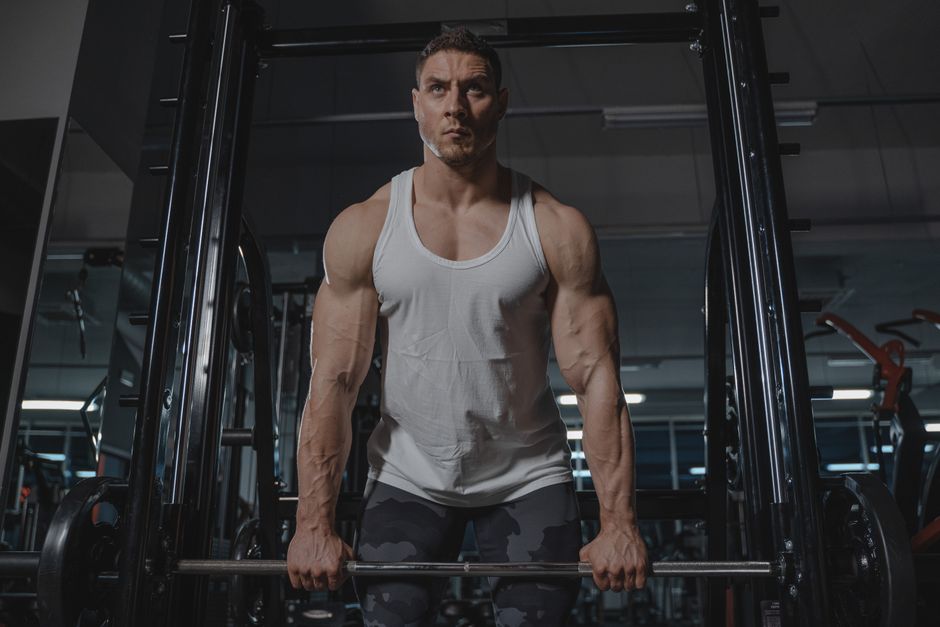
Premium handles also promote better form and muscle activation. When you're performing cable rows, triceps pushdowns, or lateral raises, the angle and diameter of your handle directly affects which muscle fibers you recruit. Ergonomically designed attachments align your wrists, elbows, and shoulders in biomechanically optimal positions, reducing injury risk while maximizing tension on target muscles.
Durability is another critical factor. Commercial gym-grade handles endure thousands of reps weekly. Cheap alternatives develop play in their swivels, lose their coating, or even crack under repeated stress. Professional-grade equipment like the Pull Force Mainbeam Modular Cable Machine Attachments Bar with Ball Slides are engineered to withstand the punishment of serious training while maintaining precision performance year after year.
Essential Handle Types for Comprehensive Training
A well-equipped training setup includes multiple handle variations to target different movement patterns and muscle groups. Straight bars, V-bars, ropes, D-handles, and specialty attachments each serve distinct purposes in a complete training program.
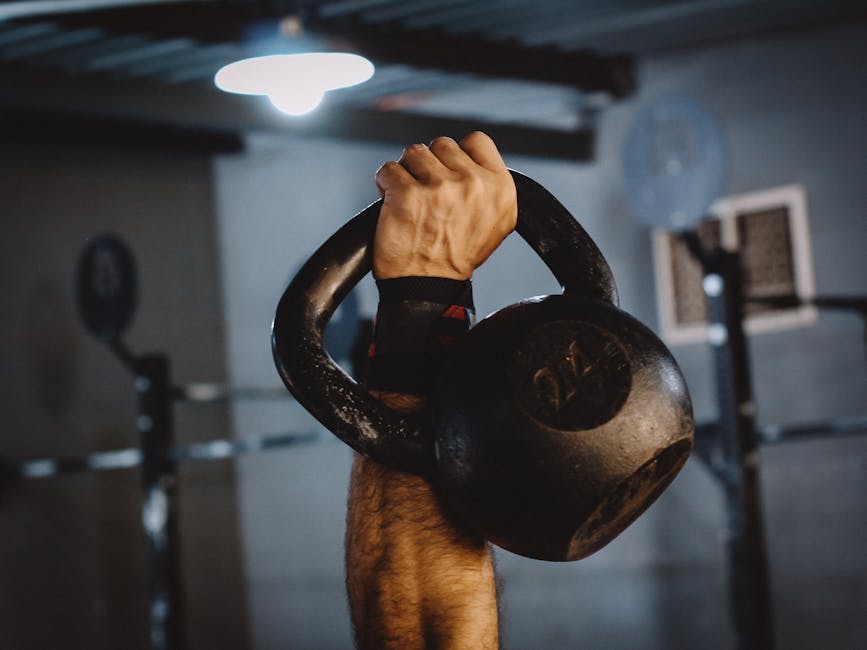
Triceps ropes remain essential for isolation work, allowing natural wrist rotation and full triceps extension at the bottom of pushdowns. The Triceps Rope Extreme Performance Viper provides the durability and grip needed for heavy loaded work without the fraying common in inferior ropes.
Multi-grip row handles revolutionize back training by offering multiple hand positions in a single attachment. The HOG LEGS Multi-Row Low Pulley Cable Row Handles exemplify this versatility, allowing neutral, wide, and narrow grips to target different areas of the back musculature within the same workout.
Fat grip handles increase forearm and grip strength activation while also reducing joint stress by distributing load across a larger surface area. These specialized attachments challenge your grip in ways standard handles cannot, building functional strength that transfers to all other lifts.
Strap-based handles like the DELT-BELT Handle Straps offer unique advantages for upright rows and other movements where traditional handles may limit range of motion or create uncomfortable joint angles.
Materials and Construction Standards
Premium gym handles feature several hallmarks of quality construction. Look for solid steel or aircraft-grade aluminum cores rather than hollow tubing. Welds should be clean and reinforced, particularly at high-stress connection points where the handle meets the swivel or carabiner.
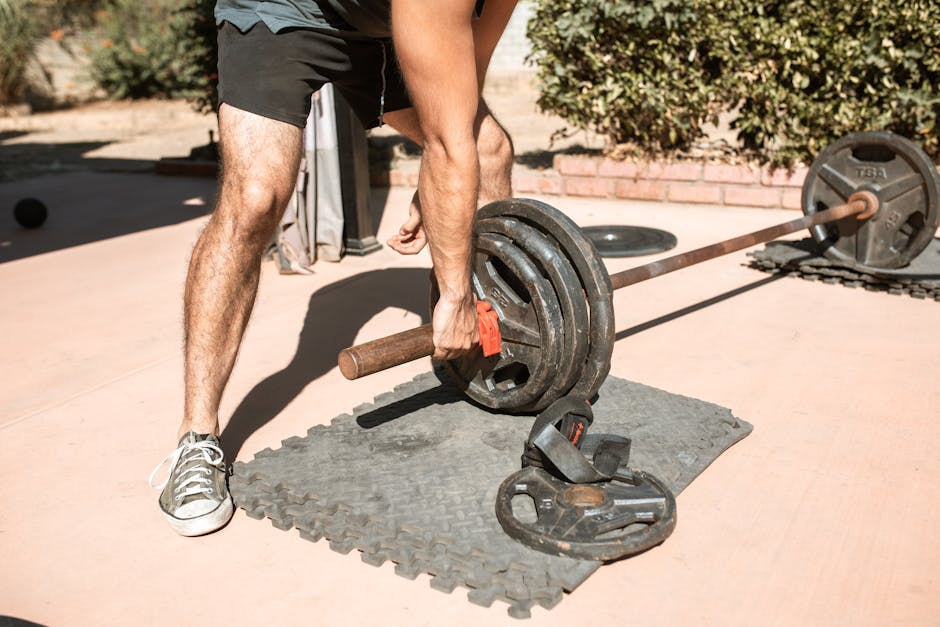
Surface treatments matter significantly for both durability and grip. Powder coating resists chipping and provides moderate grip, while knurled or textured surfaces offer superior traction when hands become sweaty during intense sets. Some advanced handles incorporate both—smooth sections for comfortable positioning and aggressive texturing in primary grip zones.
Rotating components require precision bearings or bushings to prevent binding during movements. Quality swivels rotate smoothly under load without excessive play or wobbling. This smooth rotation ensures cables don't twist during exercises, maintaining consistent resistance throughout the movement and preventing premature cable wear.
Weight capacity ratings reflect engineering quality. Handles rated for 500+ pounds aren't just built heavier—they're designed with appropriate material thickness, proper load distribution, and reinforced stress points. This overbuilding provides the safety margin serious lifters require when pushing toward new personal records.
Optimizing Grip for Muscle Activation
The diameter and texture of your handle directly influence neuromuscular activation. Research referenced in the ACE Fitness exercise library demonstrates that grip variations alter muscle recruitment patterns throughout the kinetic chain.
Standard handles typically measure 1 to 1.25 inches in diameter, providing familiar grip feel for most exercises. Fat grips between 2 to 3 inches dramatically increase forearm and grip muscle activation, making lighter weights feel substantially heavier while reducing stress on finger joints and tendons.
Grip width also plays a crucial role. Wider grips during rows emphasize the outer lats and rear delts, while narrow grips target the middle back and lower lats. Neutral grips (palms facing each other) often feel more natural and reduce shoulder strain compared to pronated or supinated grips for many lifters.
Texture provides the final piece of the grip equation. Aggressive knurling offers maximum security but can be uncomfortable during high-rep work. Medium knurling balances traction and comfort for most applications. Smooth grips with strategic texture zones provide comfort while maintaining control where it matters most.
Modular Systems vs. Fixed Attachments
Traditional cable attachments serve single purposes—one handle, one function. Modular systems represent the evolution of this concept, offering adaptability that maximizes training options while minimizing equipment clutter and cost.
Modular platforms like the Pull Force Mainbeam allow you to customize grip width, add specialized grips, or even attach resistance bands for accommodating resistance. This adaptability means one high-quality base system can replace five or six traditional fixed attachments.
The flexibility extends beyond basic exercise variation. As your training evolves or you rehabilitate injuries, modular systems adapt to your changing needs. Narrow your grip for shoulder-friendly pressing, widen it for maximum lat stretch, or add fat grips when you want to emphasize forearm development—all without purchasing new equipment.
For home gym owners with limited space and budget, modular systems provide exceptional value. Instead of walls covered with single-purpose attachments, a few versatile modular pieces deliver comprehensive training options while maintaining an organized, efficient workout space.
Maintenance and Longevity
Even the highest quality gym handles require proper care to deliver decades of reliable service. Simple maintenance practices preserve performance and protect your investment.
Regular cleaning prevents sweat, chalk, and debris buildup that can corrode finishes and compromise grip texture. Wipe down handles after intense sessions using a damp cloth, and periodically clean with mild soap and water. Avoid harsh chemicals that might degrade protective coatings or rubber components.
Inspect rotating components monthly for smooth operation. If swivels develop resistance or noise, a drop of appropriate lubricant restores function. Use products designed for fitness equipment rather than general-purpose oils that might attract dust or break down rubber seals.
Check connection points including carabiners, snap links, and chains for wear. Replace these components proactively if you notice deformation, cracks, or significant surface wear. These high-stress components are inexpensive insurance against catastrophic failure during heavy lifts.
Store handles properly when not in use. Wall-mounted racks or dedicated storage systems prevent handles from being dropped, stepped on, or damaged by other equipment. This organization also streamlines your training by keeping frequently used attachments readily accessible.
Conclusion
High quality gym handles for lifting represent essential tools for anyone serious about strength training and muscle development. The difference between standard, mass-produced attachments and precision-engineered equipment designed by lifters becomes evident in every workout—superior grip, better muscle activation, enhanced comfort, and the confidence that your equipment won't fail during max effort sets.
Whether you're equipping a commercial facility or building a personal training sanctuary, investing in premium handles pays dividends through improved performance, reduced injury risk, and equipment that lasts for years rather than months. As the NHS exercise guidance emphasizes, regular strength training delivers profound health benefits—benefits maximized when you train with equipment engineered to help you perform at your absolute best.
The right handles don't just connect you to the weight stack—they connect your intention to results, transforming workout pain into genuine gain, one quality rep at a time. For lifters who accept no less than excess from themselves and their equipment, premium gym handles aren't optional—they're mandatory. For more insights on optimizing your routine, check out our guide on athlete training equipment.
