

Best Cable Attachments for Chest Workouts
Building a powerful, well-defined chest requires more than just standard bench presses. Cable machine attachments offer unique advantages for chest development, including constant tension throughout the entire range of motion, versatile angle adjustments, and the ability to isolate specific muscle fibers. Whether you're a seasoned bodybuilder or an athlete committed to maximizing performance, selecting the right cable attachments transforms ordinary workouts into extraordinary growth opportunities.
According to the CDC's physical activity guidelines, adults should incorporate muscle-strengthening activities at least twice weekly, targeting all major muscle groups. Cable-based chest training delivers exactly this stimulus while offering advantages traditional free weights cannot match.
Why Cable Attachments Excel for Chest Development
Cable machines provide constant tension that free weights simply cannot replicate. When performing barbell or dumbbell chest exercises, the resistance varies throughout the movement due to gravity and leverage changes. Cables maintain consistent tension from the first inch of movement to the last, maximizing muscle fiber recruitment and metabolic stress—two critical drivers of hypertrophy.
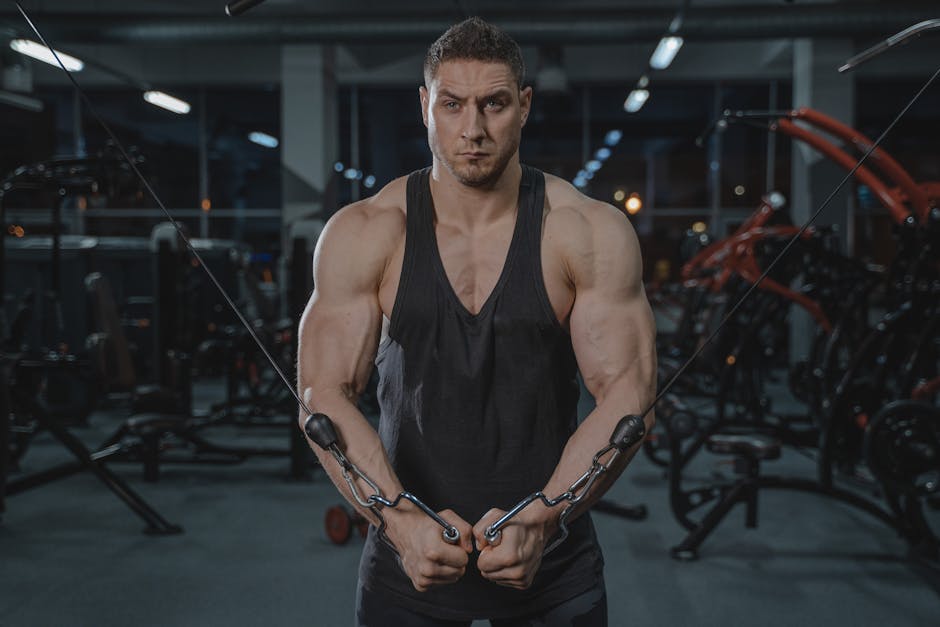
The versatility of cable systems allows for infinite angle adjustments. You can target upper chest fibers with low-to-high cable movements, emphasize the lower chest with high-to-low angles, or hammer the middle chest with horizontal pressing and flying motions. This three-dimensional freedom makes cables indispensable for complete pectoral development.
Cable attachments also provide safer training options for those working around shoulder injuries or mobility limitations. The smooth, controlled resistance reduces joint stress compared to heavy barbell movements while still delivering serious muscle-building stimulus.
Essential Cable Attachments for Chest Training
Selecting the right attachments determines whether your chest workouts deliver mediocre or exceptional results. Here are the most effective options for serious lifters:
Dual Cable Bars
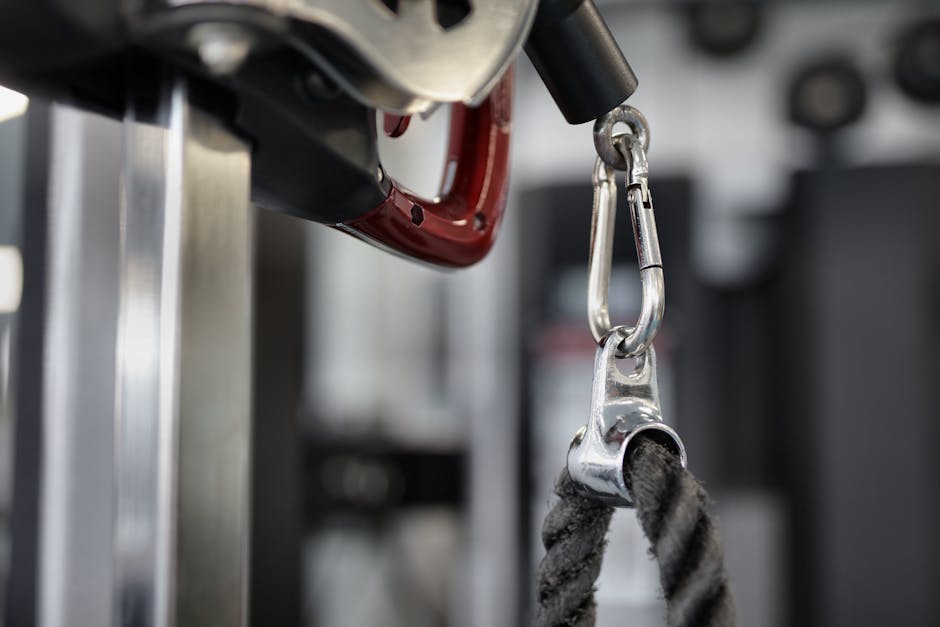
Dual cable bars represent the foundation of effective cable chest training. These attachments enable unilateral and bilateral pressing movements with superior range of motion compared to fixed-position machines. The HOG LEGS Dual Cable Bar exemplifies this category, providing thick grip options that increase forearm and upper arm activation while performing chest presses and flyes.
The independent movement of each cable creates a unique stabilization challenge, forcing your core and smaller stabilizer muscles to work harder throughout every repetition. This translates to functional strength that carries over to athletic performance and daily activities.
Individual Handles for Maximum Range
Single-grip handles unlock the greatest range of motion possible for cable chest flyes. Unlike bars or fixed attachments, individual handles allow your arms to travel across your body's midline, achieving deeper stretches and more complete contractions. The HOG LEGS Jawbone pair offers exceptional grip comfort during high-volume chest sessions while the fat grip design amplifies muscle activation.
Single handles also enable asymmetrical training—essential for correcting strength imbalances between your left and right pectorals. Most lifters discover one side dominates during pressing movements; individual handle training addresses this weakness directly.
Strap-Based Attachments
Strap attachments like the DELT-BELT Handle Straps offer unexpected advantages for chest training. These versatile tools allow for unique pressing angles and can be used for resistance push-ups when attached to low cable positions. The flexible nature of straps reduces joint stress while maintaining intense muscle tension.
Advanced lifters use strap attachments for chaos training—deliberately unstable movements that force maximum motor unit recruitment and build injury-resistant strength through unpredictable resistance patterns.
Modular Systems for Progressive Training
Modular attachment systems provide ultimate versatility as your training needs evolve. The Pull Force Mainbeam with Standard Slides represents cutting-edge design, allowing you to customize grip width, hand position, and attachment angles for countless chest exercise variations.
This adaptability proves particularly valuable for periodized training programs where exercise selection changes every mesocycle. Rather than purchasing multiple specialized attachments, modular systems deliver everything needed in one investment.
Most Effective Cable Chest Exercises
Possessing quality attachments means nothing without proper exercise execution. These movements deliver maximum chest development when performed with appropriate intensity and volume:

Cable Chest Press Variations
Standing cable presses engage your entire kinetic chain, building functional pressing power while hammering chest fibers. Position cables at chest height, grasp handles with palms forward, and press straight ahead while maintaining tight core engagement. The ACE Fitness exercise library provides detailed technique demonstrations for those new to cable training.
Experiment with high-to-low presses for lower chest emphasis and low-to-high presses to target clavicular head development. Single-arm pressing variations challenge rotational stability while building unilateral strength.
Cable Flye Progressions
Cable flyes deliver unmatched pectoral stretch and contraction intensity. Start with cables set above shoulder height, step forward to create tension, and bring handles together in front of your chest using a wide, sweeping arc. Maintain a slight elbow bend throughout to protect shoulder joints.
Advanced variations include crossover flyes where your hands actually cross past midline, low-to-high flyes from a kneeling position, and high-to-low flyes for lower chest annihilation. Each variation targets different fiber regions within the pectoralis major.
Decline and Incline Cable Movements
Adjustable cable positions allow perfect replication of decline and incline pressing angles without requiring specialized benches. Set cables low and press upward at 30-45 degrees for upper chest development. Position cables high and press downward for lower chest targeting. The constant cable tension throughout these movements produces superior muscle damage compared to free weight equivalents.
Programming Cable Chest Work for Maximum Growth
Strategic programming separates those who make modest gains from those who build championship-caliber physiques. Cable chest training works best when integrated intelligently with compound pressing movements.
Structure workouts with heavy barbell or dumbbell presses first when neurological freshness is highest, then transition to cable work for high-volume pump training. Cable exercises excel in the 10-20 repetition range where constant tension creates maximum metabolic stress.
According to guidance from the NHS exercise recommendations, varying your training stimulus prevents adaptation plateaus and reduces injury risk. Rotate through different cable attachments every 4-6 weeks to provide novel stimuli that force continued adaptation.
Frequency matters tremendously for chest development. Most serious lifters benefit from training chest twice weekly—once with heavy compound emphasis and once with higher-volume cable-focused work. This split provides adequate recovery while maintaining frequent growth signals.
Advanced Techniques with Cable Attachments
Once you've mastered basic cable chest movements, advanced techniques unlock another level of development:
Drop sets: Immediately reduce weight after reaching failure and continue for additional repetitions. Cable machines make weight changes seamless, perfect for extended sets that completely exhaust muscle fibers.
Mechanical drop sets: Change cable angles mid-set to shift emphasis between stronger and weaker portions of your chest. Start with low-to-high presses when fresh, then switch to standard horizontal presses as fatigue accumulates.
Iso-holds: Pause at peak contraction for 3-5 seconds during cable flyes. This intensifies muscle fiber recruitment and builds mind-muscle connection that carries over to all chest training.
Eccentric emphasis: Use a 4-6 second negative on cable movements while pressing or returning quickly. Eccentric training produces superior strength gains and muscle damage compared to conventional tempos.
Conclusion
Building an exceptional chest requires exceptional tools. The best cable attachments provide constant tension, infinite angle adjustments, and superior safety compared to free weights alone. Whether you choose dual cable bars for heavy pressing, individual handles for extreme range of motion, or modular systems for ultimate versatility, quality attachments transform cable machines from afterthought equipment into primary growth drivers.
Success demands more than just owning quality gear—it requires relentless execution, intelligent programming, and absolute refusal to accept mediocre effort. Cable chest training offers unique advantages, but only when performed with the intensity and precision that separate champions from pretenders. Arm yourself with seriously legit attachments built by lifters for lifters, then wage the war for more—one bloody rep at a time. For those serious about their gains, exploring a comprehensive Bodybuilding Accessory Equipment Guide can further enhance your routine, ensuring you have the right tools for every muscle group, not just the chest. And remember, upgrading your gym with Gym Machine Upgrades for Peak Performance can elevate your entire training environment.
